International Bariatric Air Transport: What You Need to Know
Can obese or bariatric patients be transported internationally
Yes — with the right aircraft, stretcher system, and medical team, bariatric patients can travel safely across borders.
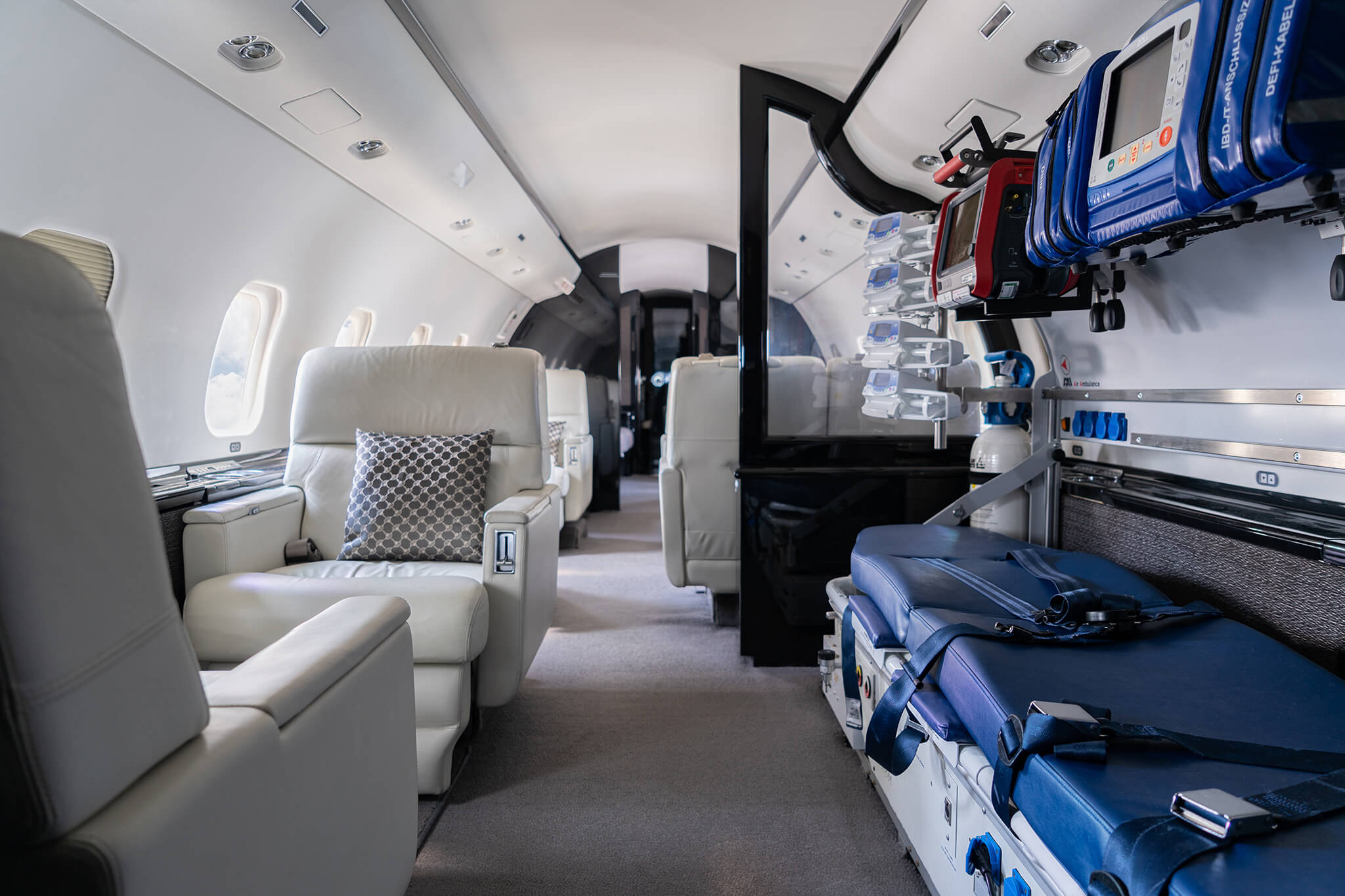
Bariatric patients can be transported internationally by air ambulance when their weight, mobility, or medical condition requires specialised solutions. These transports involve reinforced stretchers, lifting systems, larger aircraft cabins, and additional medical staff. Safety, stability, and comfort determine the appropriate setup.
Air ambulance providers assess the patient’s condition to choose the aircraft and equipment that can support both weight and medical needs during the entire journey.
Typical reasons for bariatric air transport
- Need for a reinforced or extra-wide stretcher
- Inability to sit upright for long periods
- Severe mobility limitations
- Need for continuous monitoring or oxygen therapy
- Medical complications related to obesity
Important to know
Equipment and aircraft requirements
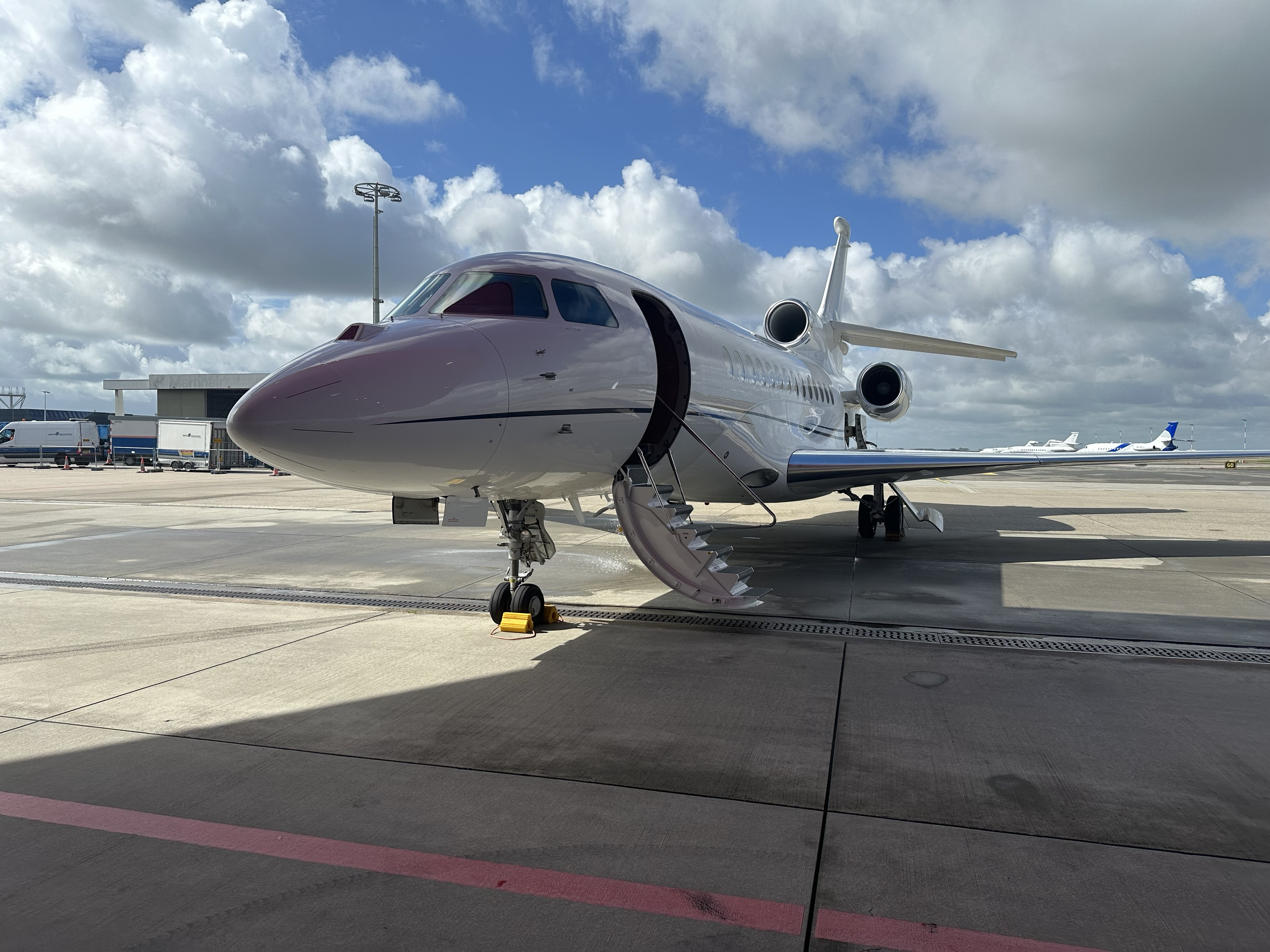
Bariatric transport requires aircraft with enough cabin space and reinforced medical equipment designed for higher weight limits.
Reinforced Bariatric Stretcher System
- Designed for stability
- Safe loading and unloading
- Comfortable support
- Requires larger aircraft
Wide-Body or Large-Cabin Jets
- Smooth flight experience
- Room for multiple medical staff
- Higher operational costs
Specialised Lifting and Loading Equipment
- Reduces physical risk
- Improves patient comfort
- Not available in all airports
How international bariatric transport is organised
To ensure safe transport, the medical and logistical planning must be meticulous.
How it usually goes
Medical intake
Assessment of weight, mobility, and medical needs.
Aircraft selection
Choosing a jet with sufficient cabin space and weight allowance.
Logistics planning
Coordinating ground teams, equipment, and airport handling.
International clearances
Arranging flight permits and medical documentation.
Transport and monitoring
On-board care by a specialised bariatric medical team.
Arrival and handover
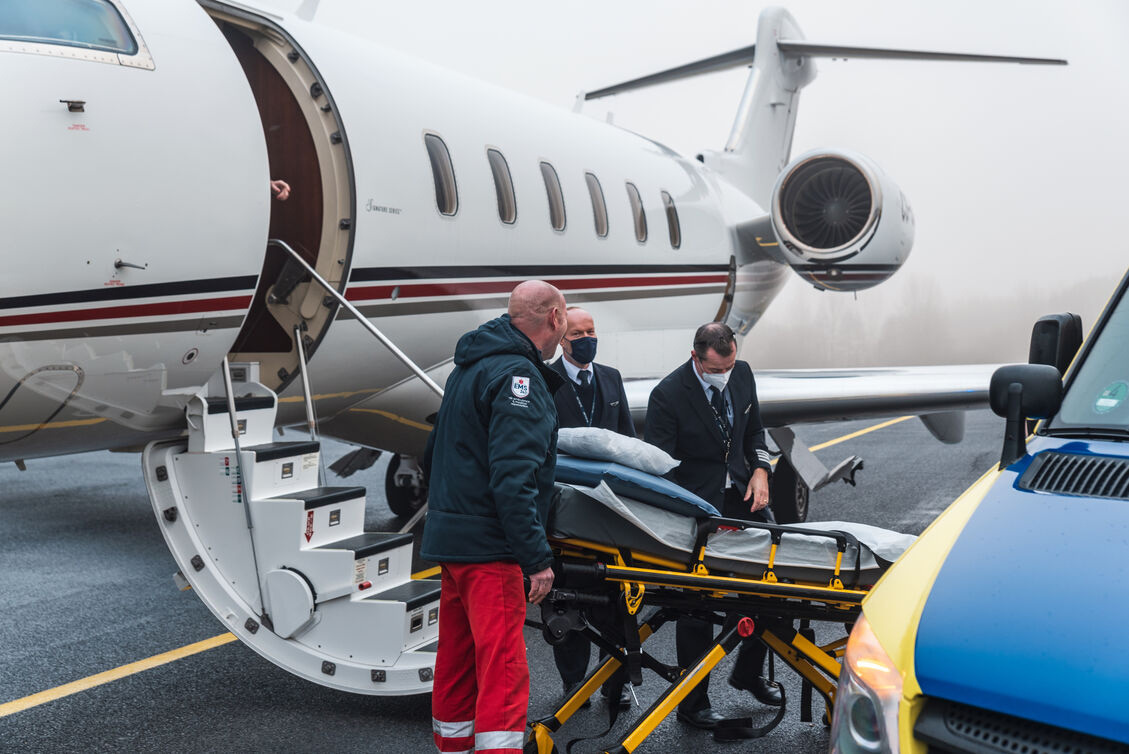
Safe unloading and transfer to the receiving facility.
Costs and influencing factors
Bariatric air transport is more complex than standard medical flights, which influences cost.
Costs depend on aircraft size, specialised equipment, distance, medical staffing, and ground logistics. Bariatric flights often require larger jets due to cabin space and weight requirements. Insurance may cover costs if the transport is medically necessary and documented properly.
Key cost factors
- Aircraft type and availability
- Use of bariatric stretchers and lifting equipment
- Number of medical staff required
- Distance and flight permits
- Ground ambulance requirements
What families need to prepare
Providing accurate information ensures smooth planning and fast approval.
Checklist
Recent medical summary
Including weight, mobility, and vital medical information.
Medication list
Including dosage and allergies.
Treating doctor contact
For direct medical coordination.
Travel documents
Passport, insurance details, and medical necessity forms.