Stroke abroad: how to arrange a safe medical flight home for your father
Can stroke patients fly safely
Yes — if the transport is medically supervised and the right equipment is used.
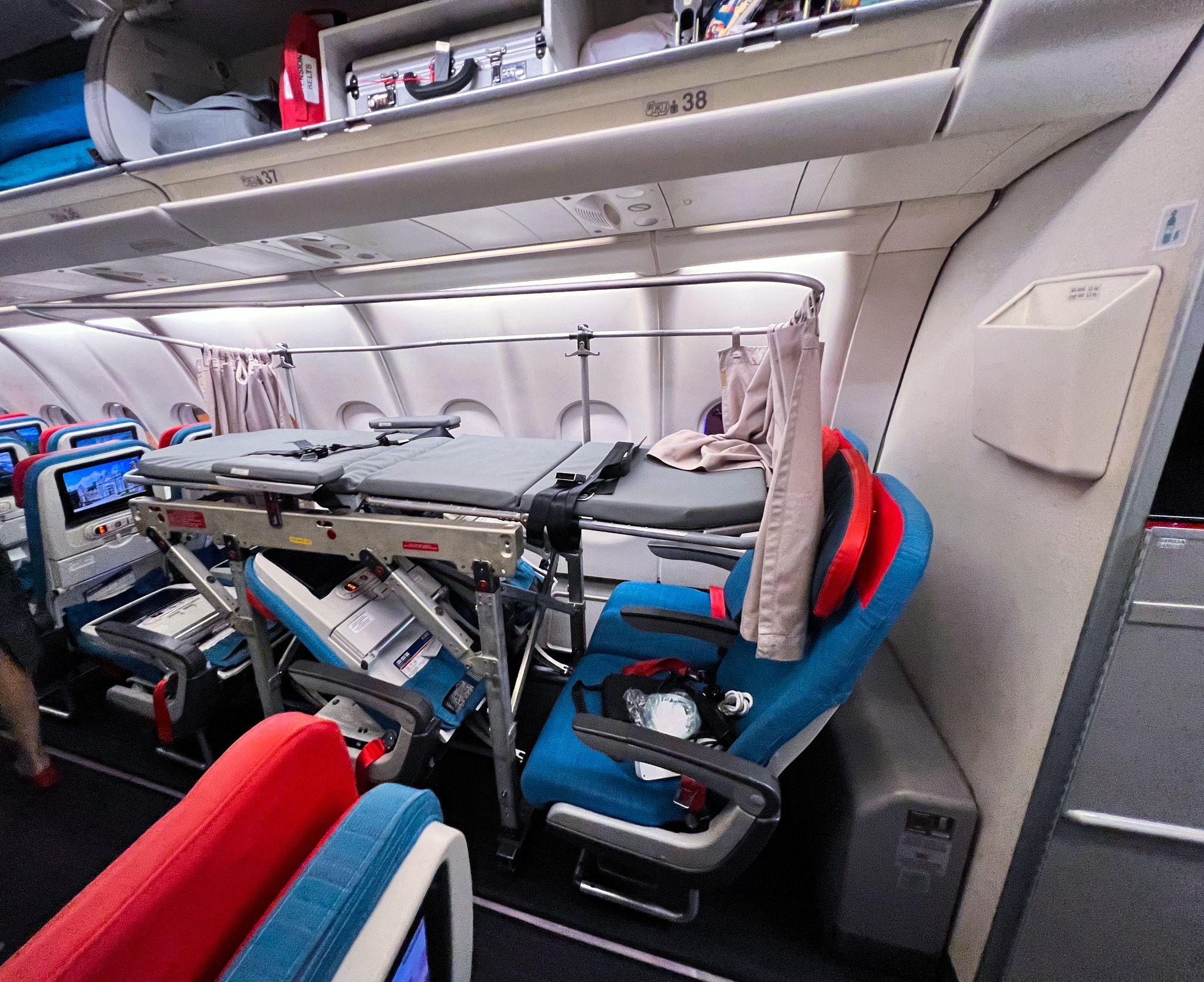
Stroke patients can be transported safely by air when supervised by a specialised medical team. EMS Air Ambulance & Medical Repatriation Ltd. provides international transport for stroke patients, ensuring continuous monitoring of neurological status, blood pressure, airway safety, and oxygen levels.
Each patient is assessed individually. The key factors are stability, risk of complications, and whether the patient requires intensive monitoring or can travel with lighter medical support.
Common reasons stroke patients need medical repatriation
- Limited access to specialised stroke care abroad
- Need for rehabilitation at home
- Medical insurance requiring treatment in the home country
- Family needing closer involvement
- Long-term hospital stays abroad becoming impractical
Important
Transport options for stroke patients
The safest method depends on the patient’s stability, neurological condition, and medical needs.
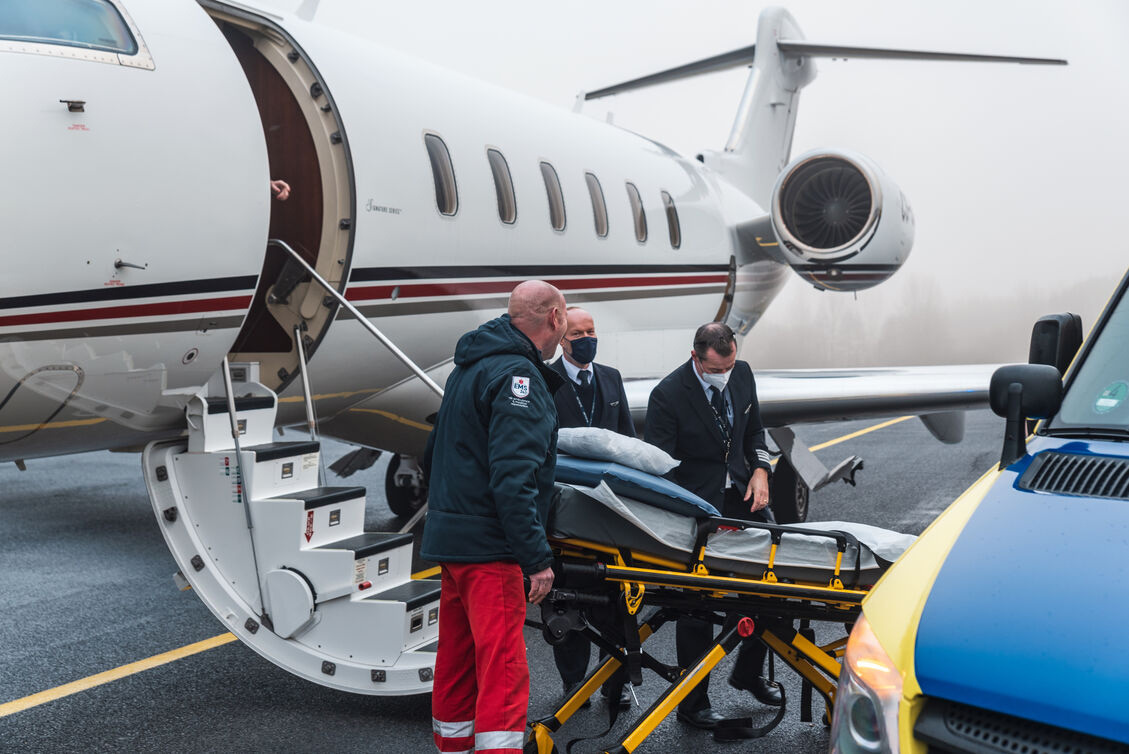
Air ambulance
- Direct flights with no layovers
- Advanced equipment for neurological and airway monitoring
- Ideal for unstable or complex cases
- Higher cost due to specialised aircraft
Medical escort on a commercial flight
- More cost-efficient
- Suitable for stable, recovering patients
- Subject to airline medical approvals
Ground ambulance
- Flexible planning
- No cabin pressure changes
- Longer travel time for international routes
How the repatriation process works
EMS Air Ambulance coordinates every step — from medical approval to hospital handover.
Typical process
Initial call
Family provides basic information about the situation and location.
Medical evaluation
EMS Air Ambulance doctors review hospital reports to confirm safe transport.
Planning and logistics
The team arranges aircraft, crew, ground ambulances, and receiving hospital coordination.
Medical flight
The patient is monitored continuously during the entire journey.
Handover
Arrival at the destination hospital with full medical documentation.
Costs and insurance
Costs depend on distance, aircraft type, medical requirements, and urgency.
Stroke repatriation costs are influenced by distance, the required medical team, and whether an air ambulance or medical escort is needed. Insurance sometimes covers part or all of the cost, depending on the policy and medical necessity. EMS Air Ambulance provides clear quotes and medical documentation for insurance review.
Main cost factors
- Flight distance and aircraft selection
- Urgency (same-day vs. planned)
- Required medical equipment such as monitors or oxygen
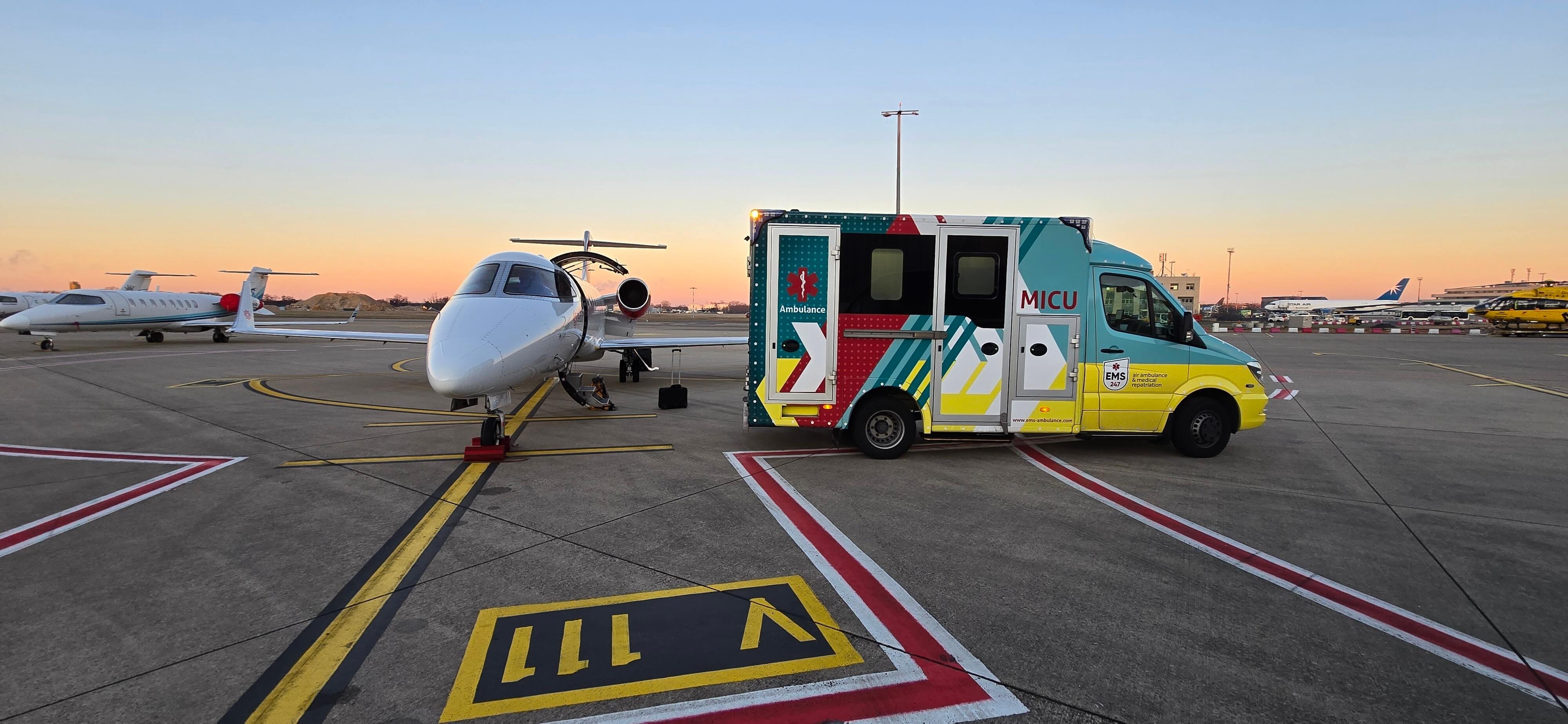
- Ground ambulance transport on both sides
- Airport medical handling and coordination
What families need to prepare
Having the right information ready speeds up the medical assessment and planning.
Checklist
Medical reports
Recent hospital notes, CT or MRI results, and diagnoses.
Medication list
All current medications and doses.
Patient identification
Passport or ID for travel and hospital admission.
Insurance documentation
Policy numbers and emergency assistance contacts.