How Are Pediatric Patients Transported by Air Ambulance?
What is pediatric air ambulance transport
Pediatric air ambulance services provide safe, fast, and medically supervised flights for infants and children.
Pediatric air ambulance flights are used when a child requires urgent or long-distance medical transport that cannot be done safely by road or commercial flight. These missions include neonatal transfers, long-distance relocation to specialized hospitals, or medical repatriation to a child’s home country.
The priority is continuous monitoring, specialist pediatric care, and quick access to life‑saving equipment in the air.
Common reasons for pediatric air ambulance transport
- Premature infants needing incubator transport
- Children requiring intensive care monitoring
- Severe trauma or neurological conditions
- Specialist treatment available only in another region
- Medical repatriation of children abroad
Important to know

Specialized equipment and medical team
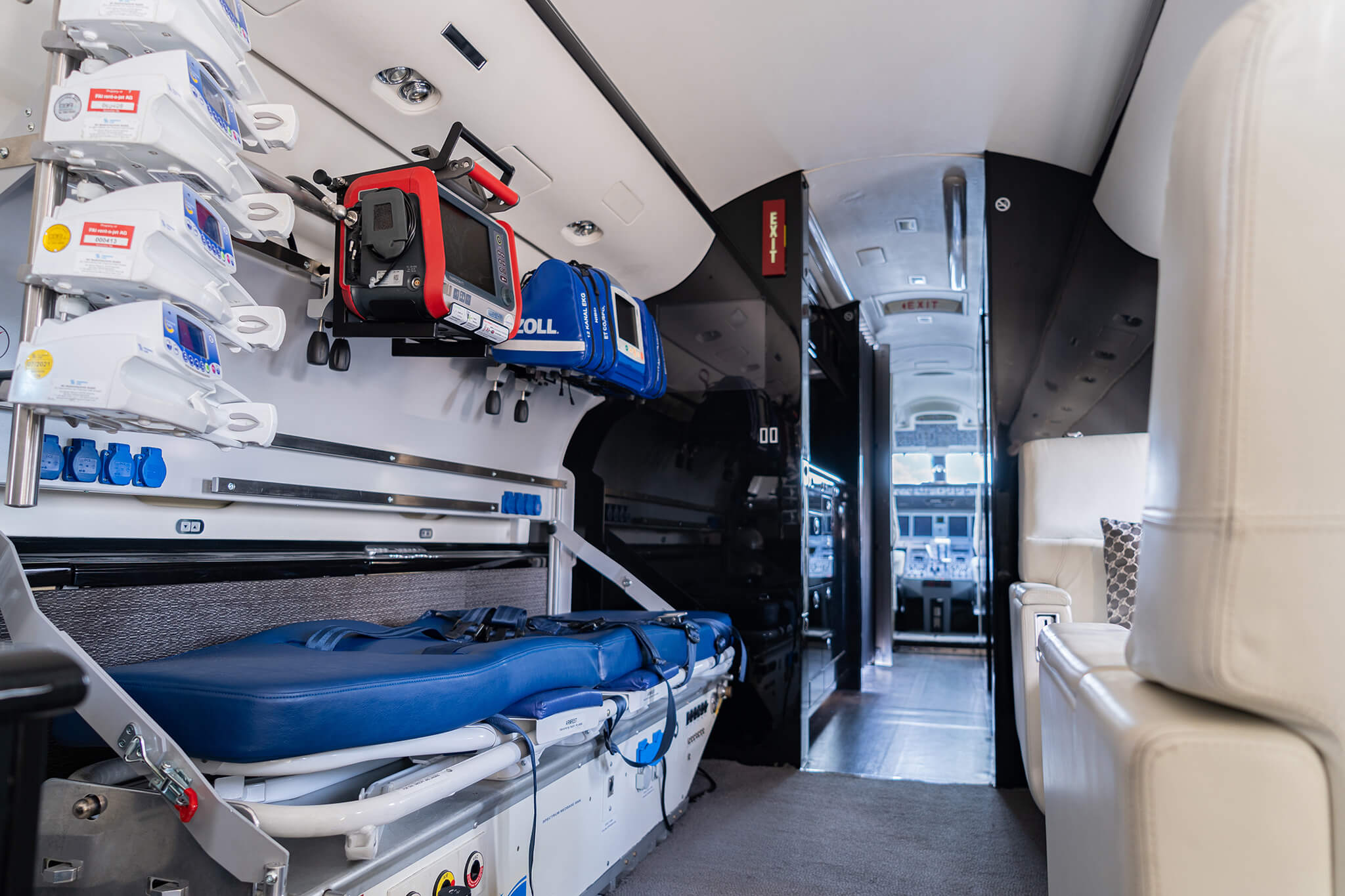
Pediatric patients require equipment tailored to their age, size, and medical condition.
Typical equipment on pediatric air ambulance flights
- Pediatric and neonatal ventilators
- Incubators for premature infants
- Child-sized monitoring systems
- Infusion pumps and emergency medication
- Special seating and secure stretcher systems
The medical team often includes pediatric flight nurses, neonatal specialists, and flight physicians trained in pediatric and neonatal emergency care. Their expertise ensures stability throughout the flight, including during takeoff, turbulence, and landing.
How pediatric air transport works
Each mission follows a structured process coordinated between hospitals, medical teams, and aviation specialists.
Typical transport steps
Medical intake
Pediatric specialists assess the child’s condition.
Planning and equipment preparation
Aircraft is equipped with age‑specific devices and medications.
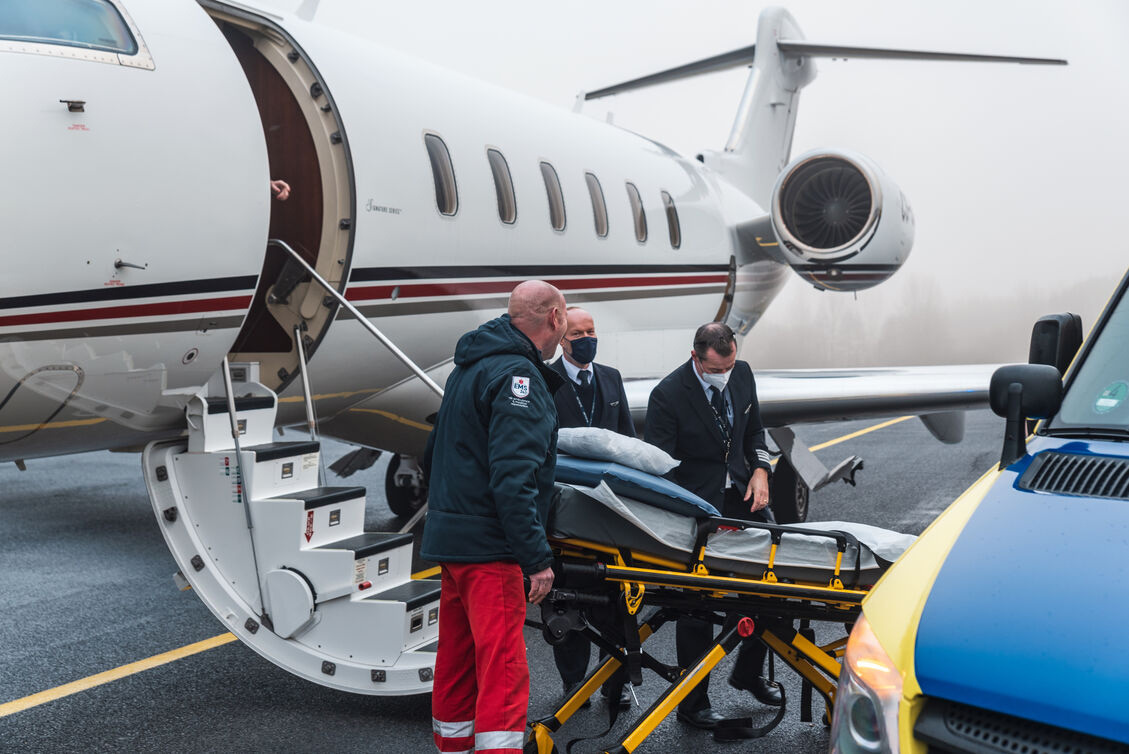
Hospital-to-airport transfer
Ground ambulance with pediatric team on board.
Flight monitoring
Continuous supervision by pediatric flight staff.
Hospital handover
Detailed report to receiving doctors for continuity of care.

Safety and parental involvement
Transporting a child requires strict safety measures and clear communication with the family.
Key safety measures
- Age‑appropriate restraint systems during takeoff and landing
- Continuous vital sign monitoring
- Cabin pressure adjustments for newborns and fragile patients
- Protocols for in-flight emergencies
- Strict infection‑control procedures
Parents are usually allowed to accompany their child, depending on aircraft capacity and medical complexity. This reduces stress and supports emotional stability throughout the journey.
Costs and insurance
Costs depend on distance, equipment, medical staff, and urgency.
Pediatric air ambulance flights often require specialized neonatal or pediatric teams, which influences pricing. Insurance coverage varies, but many policies cover medically necessary transfers when supported by proper documentation. Early coordination with insurers is recommended.
Factors influencing cost
- Flight distance and route
- Specialized pediatric team required
- Equipment such as incubators or ventilators
- Urgency of the mission
- Ground ambulance coordination


