How much notice is required to arrange an air ambulance?
How fast an air ambulance can be arranged
In many situations, an air ambulance can depart within hours.
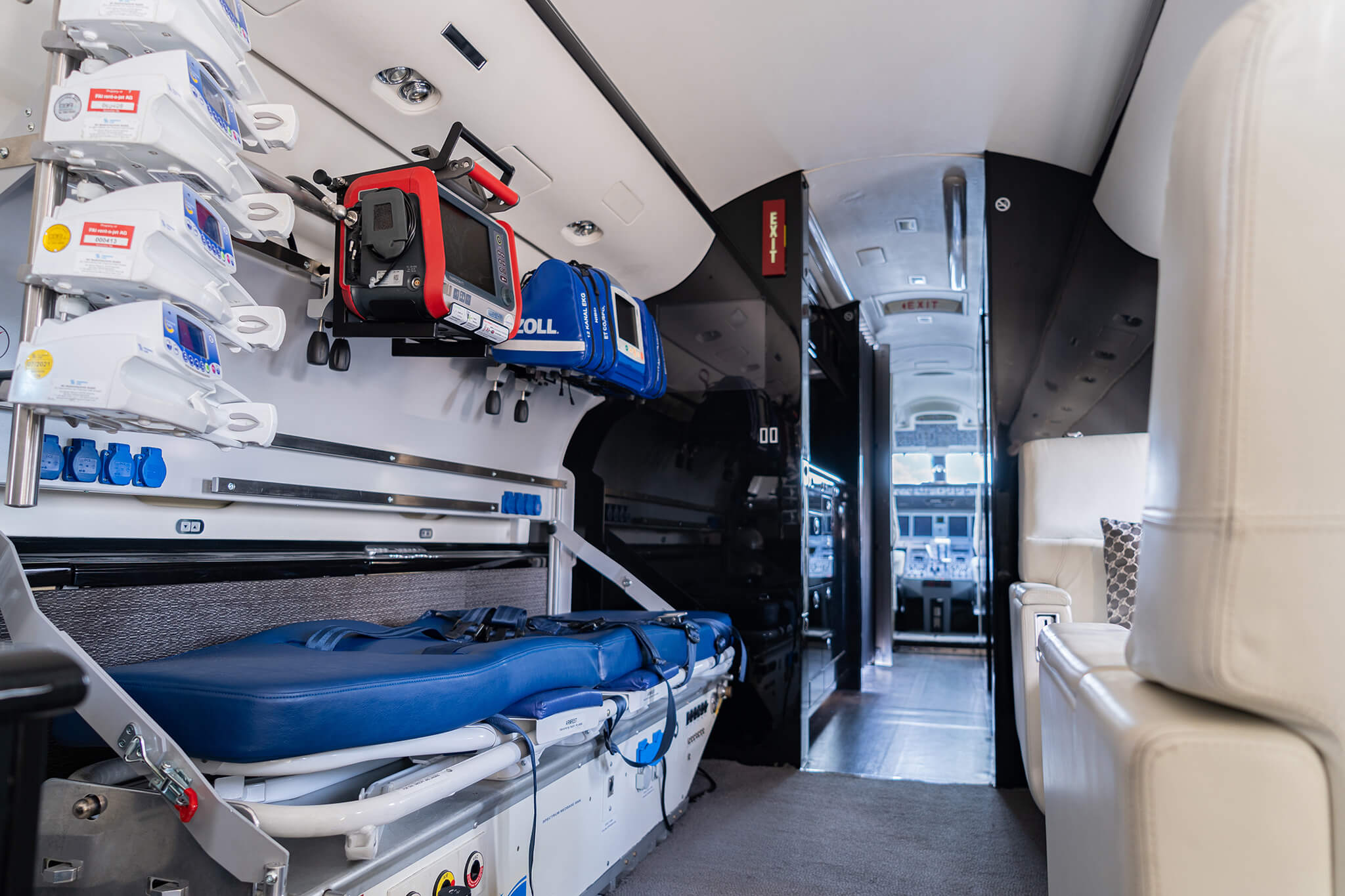
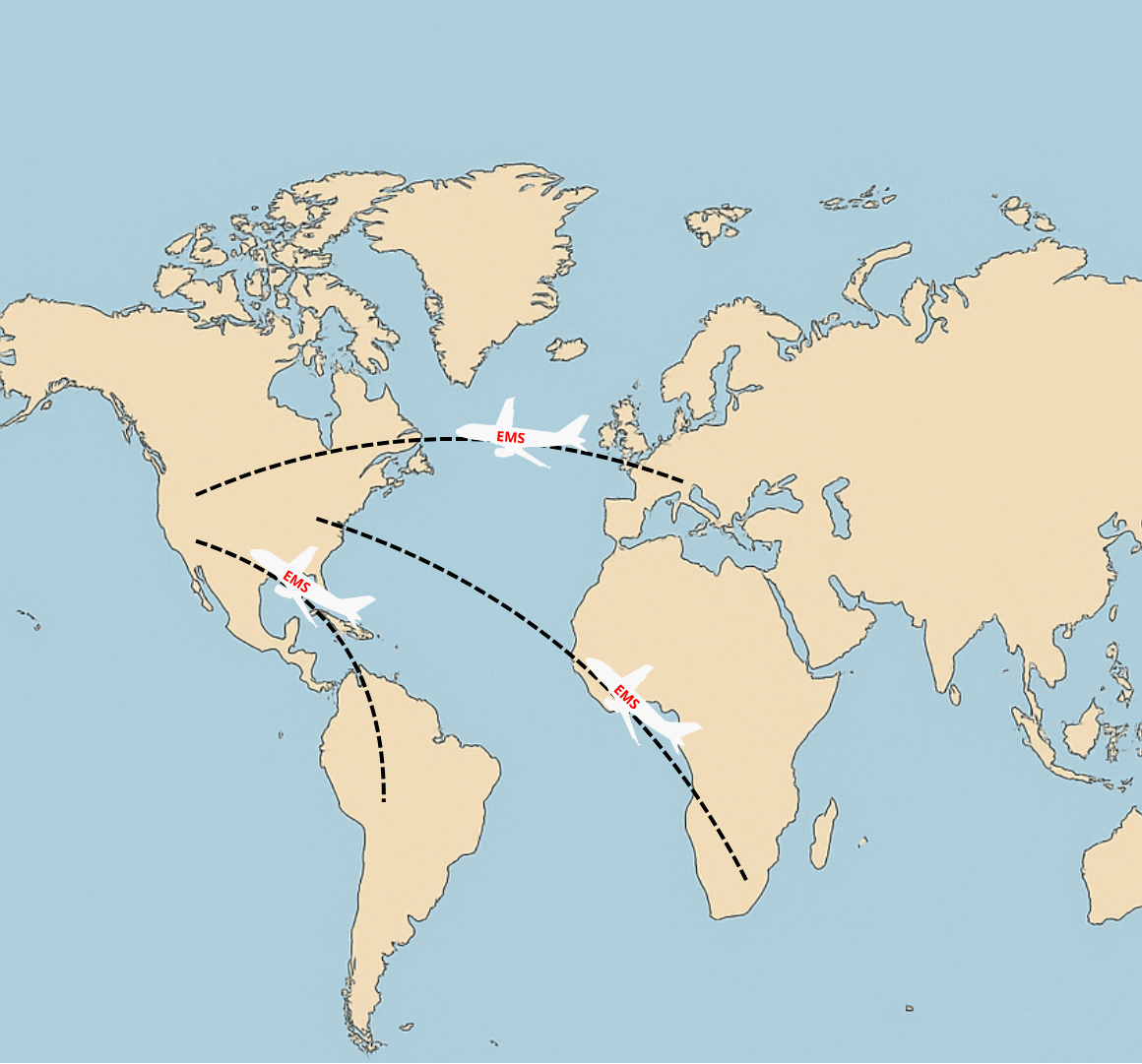
EMS Ambulance operates globally and can usually mobilize a fully equipped medical aircraft within 2 to 6 hours, depending on the location, aircraft availability, and medical requirements. In extremely urgent medevac cases, departure may be even faster.
The key factor is having complete medical information. Once the medical team approves the case, aircraft and ground logistics can be deployed immediately.
Typical timelines
- Ultra-urgent missions: aircraft airborne in 2–3 hours
- Standard medical evacuations: 4–8 hours
- Long-distance missions: departure often within the same day
- Remote or restricted regions: dependent on permits and weather
Important

What determines the response time
Several operational and medical factors influence how quickly an air ambulance can launch.
Key factors that affect departure time
- Medical condition and required equipment
- Distance and available aircraft types
- Ground ambulance availability on both ends
- Airport slot times and operational hours
- International aviation permits and landing rights
- Weather and airspace restrictions
Most missions can start quickly because EMS Ambulance has aircraft on standby across multiple regions. If the medical case is approved and documentation is complete, international permits can often be processed within minutes to a few hours.
How the arrangement process works
A structured process ensures the fastest and safest departure.
Steps for arranging an air ambulance
Intake call
Basic details: patient location, condition, destination, and urgency.
Medical evaluation
Doctors review medical reports to determine safe transport level.
Aircraft assignment
We match the case with the nearest appropriate aircraft.
Logistics coordination
Ground ambulances, clearances, permits, and medical team readiness.
Take-off
The air ambulance departs with the medical crew and equipment onboard.
Arrival & handover
Patient is transferred to the receiving hospital or medical facility.

What information we need to start immediately
The more complete the information, the faster the mission can be launched.
Essential information checklist
Medical report
Diagnosis, stability, and vital signs.
Medication list
Including allergies and ongoing treatments.
Treating doctor contact
For immediate medical clarification.
Patient location details
Hospital, ward, and responsible nurse.
Destination hospital
Including acceptance confirmation when required.