How much notice is required to arrange an air ambulance?
How fast an air ambulance can be arranged
With EMS Ambulance, an air ambulance can often be dispatched within hours. Most flights leave within 24 to 48 hours.
The required notice for an air ambulance depends on medical stability, location, clearances, and aircraft availability. In many situations—especially when the medical condition is urgent—EMS Ambulance can activate a medical team, secure an aircraft, and begin flight planning within hours. Missions commonly launch within 24 to 48 hours.
For extremely critical situations, departures may be possible even sooner, depending on logistics and international approvals.
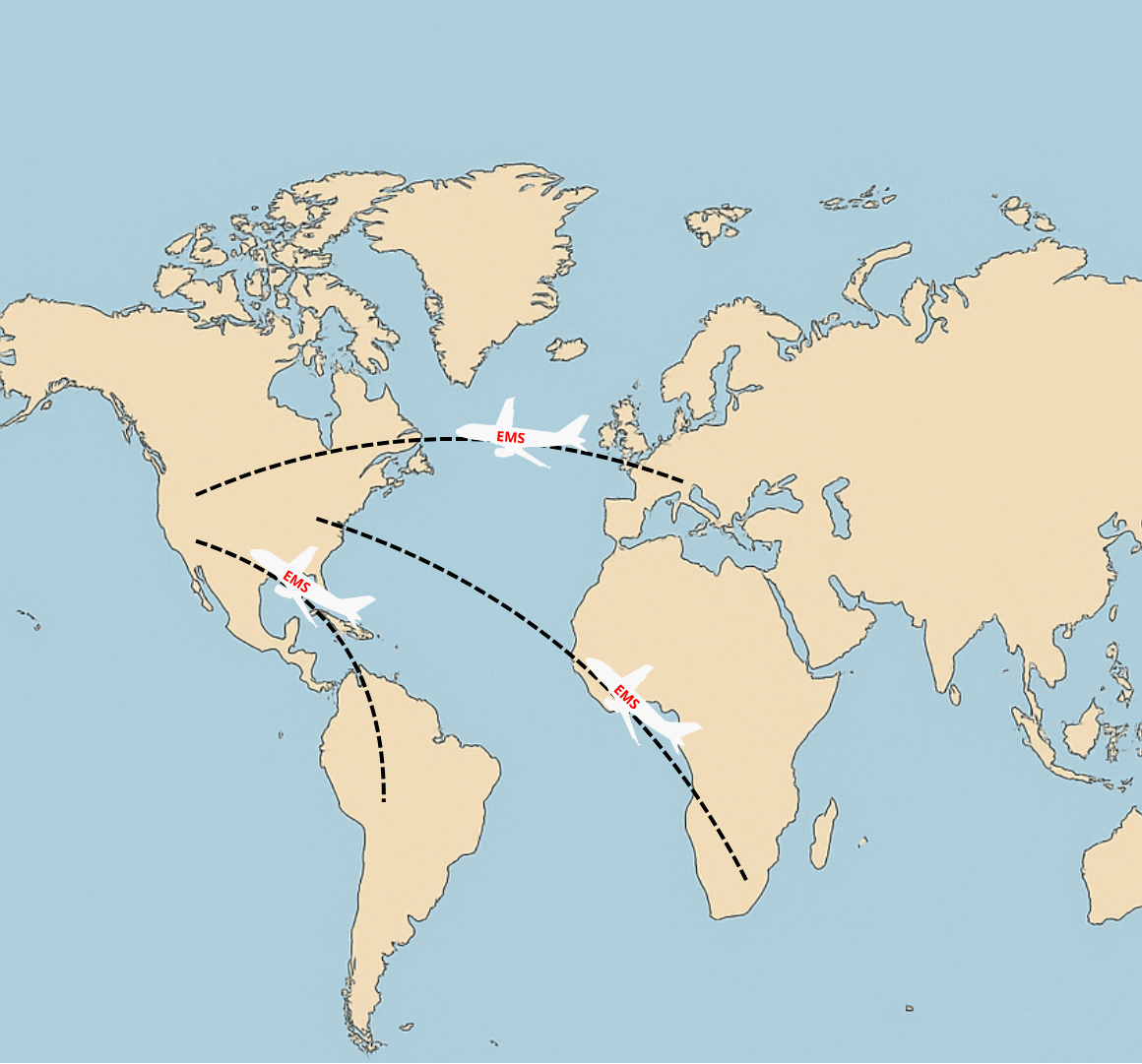
Fast mobilisation

What influences the departure timeline
Several operational and medical factors determine how quickly we can take off.
Key factors that affect response time
- Medical stability and required equipment
- Departure country’s aviation and medical permissions
- Runway availability at the origin and destination
- Weather conditions and airspace restrictions
- Ground ambulance handovers and coordination
- Availability of the appropriate medical aircraft
What EMS Ambulance arranges immediately
Once you contact us, our medical operations team begins work within minutes.
Immediate actions
Medical intake
A doctor reviews the patient’s condition and determines the required care level.
Aircraft selection
A suitable medical jet is matched based on distance and medical needs.
Flight planning
Routes, crew, and airport slots are requested.
Ground ambulances
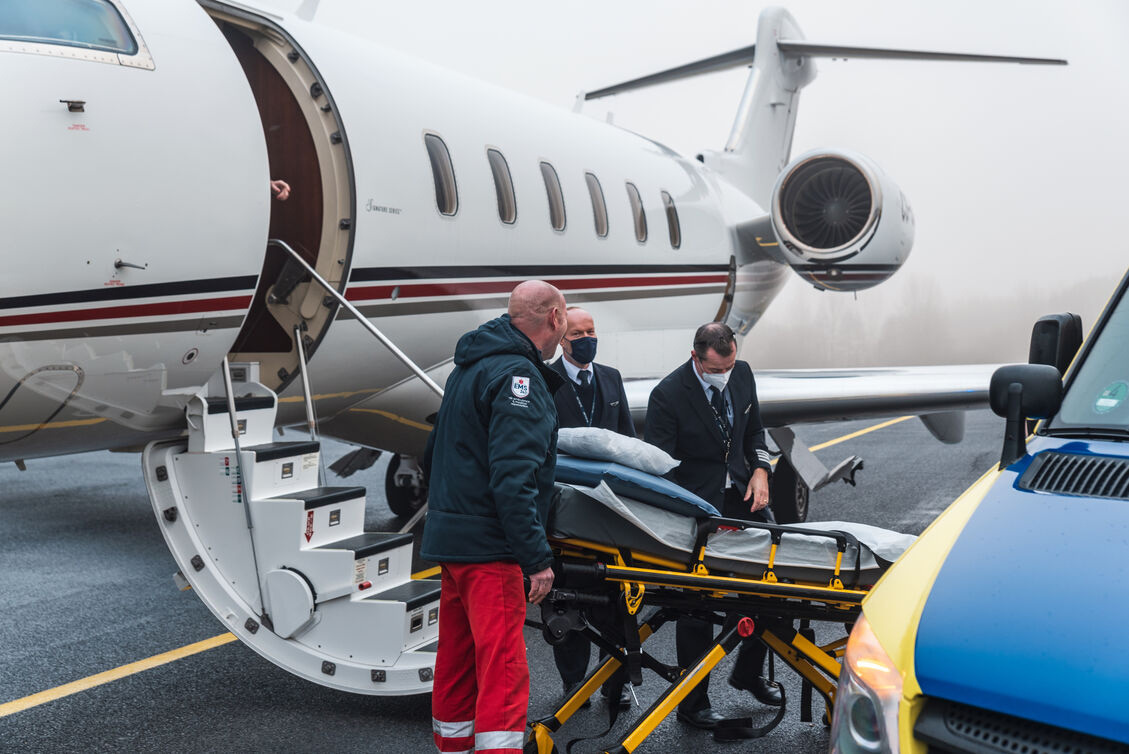
Local ambulances are booked for both pickup and arrival handovers.
What you should prepare
Providing complete information early allows us to launch faster.
Checklist for fastest processing
Recent medical summary
Including diagnosis, vitals, and treating physician notes.
Medication list
Including dosing and allergy information.
Passport copies
Needed for flight permissions and clearances.
Contact details of treating doctor
For a direct medical-to-medical handover.

The step‑by‑step process
Our procedures ensure fast, safe, and well‑coordinated medical transport.
How a typical mission proceeds
1. Assessment
Medical evaluation and confirmation of fitness-to-fly.
2. Planning
Aircraft allocation, medical crew assignment, and approvals.
3. Coordination
Ground ambulances and international clearances arranged.
4. Flight
Continuous medical care during transport.
5. Handover
Arrival and medical transfer to the receiving facility.