What Happens Before an Air Ambulance Flight Is Approved?
Why medical approval is required
Every air ambulance mission begins with a detailed health and safety evaluation.
An air ambulance flight can only be approved after a thorough medical review. This is because flying changes oxygen levels, cabin pressure, and physical stress — factors that can affect patients differently. The approval process ensures that all medical risks are carefully considered before take-off.
Flight doctors evaluate the patient’s stability, treatment needs, and the urgency of the situation to determine whether transport by air ambulance is both safe and necessary.
Key reasons for medical approval
- To check whether flying is medically safe
- To determine required equipment and medical staff
- To identify risks related to altitude and cabin pressure
- To ensure the patient receives appropriate care during flight
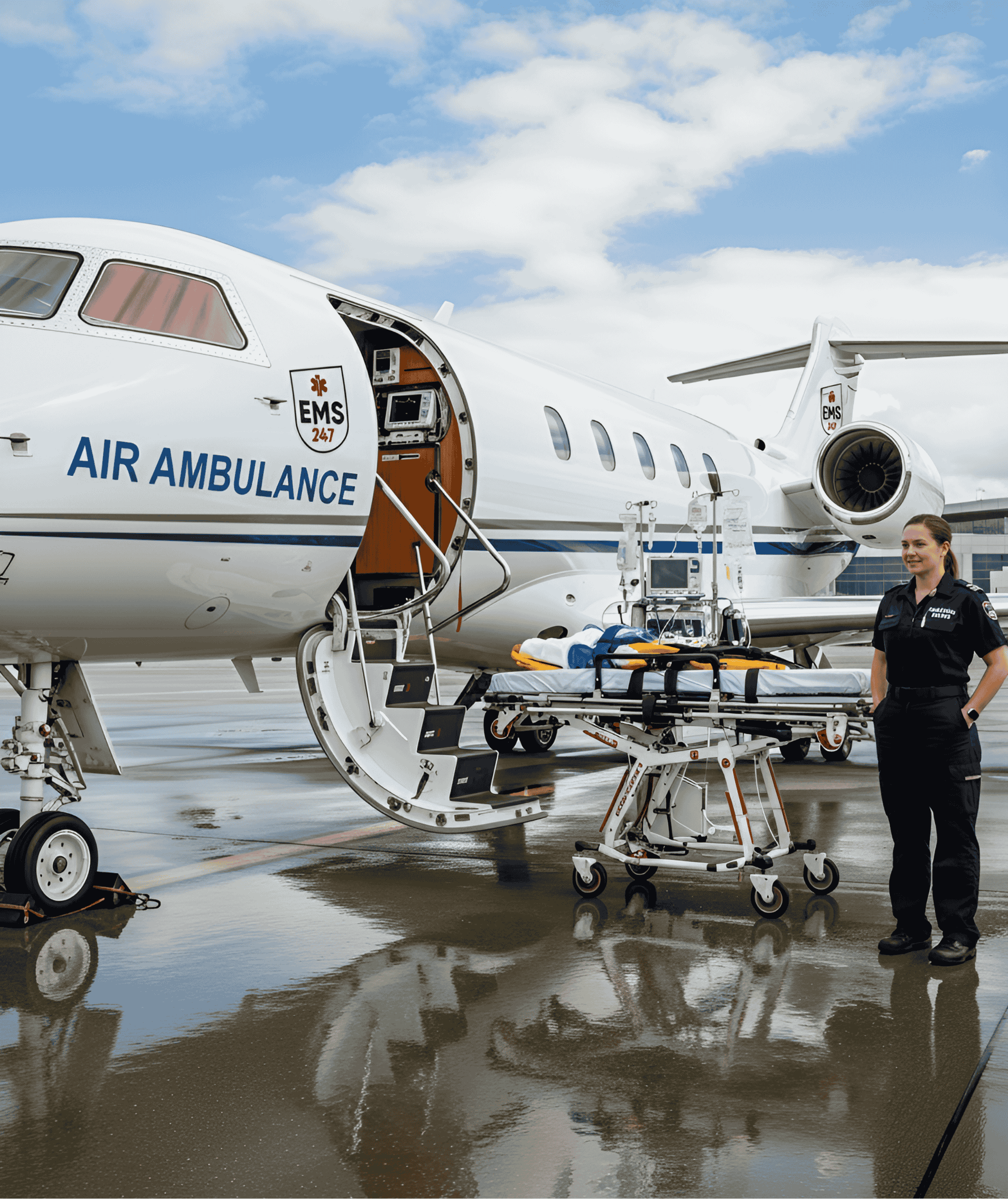
How the medical assessment works
Flight doctors evaluate the patient based on international fit‑to‑fly guidelines.
Steps of the medical assessment
Medical intake
The team gathers information about the patient’s condition, diagnosis, and current treatment.
Fit‑to‑fly evaluation
Flight doctors check if the patient’s condition is stable enough for air transport.
Equipment determination
Based on the assessment, required medical equipment and oxygen levels are defined.
Flight crew planning
The medical escort team (doctor, nurse, or both) is selected according to the patient’s needs.
Final medical approval
Once all factors are confirmed safe, the mission is officially approved.
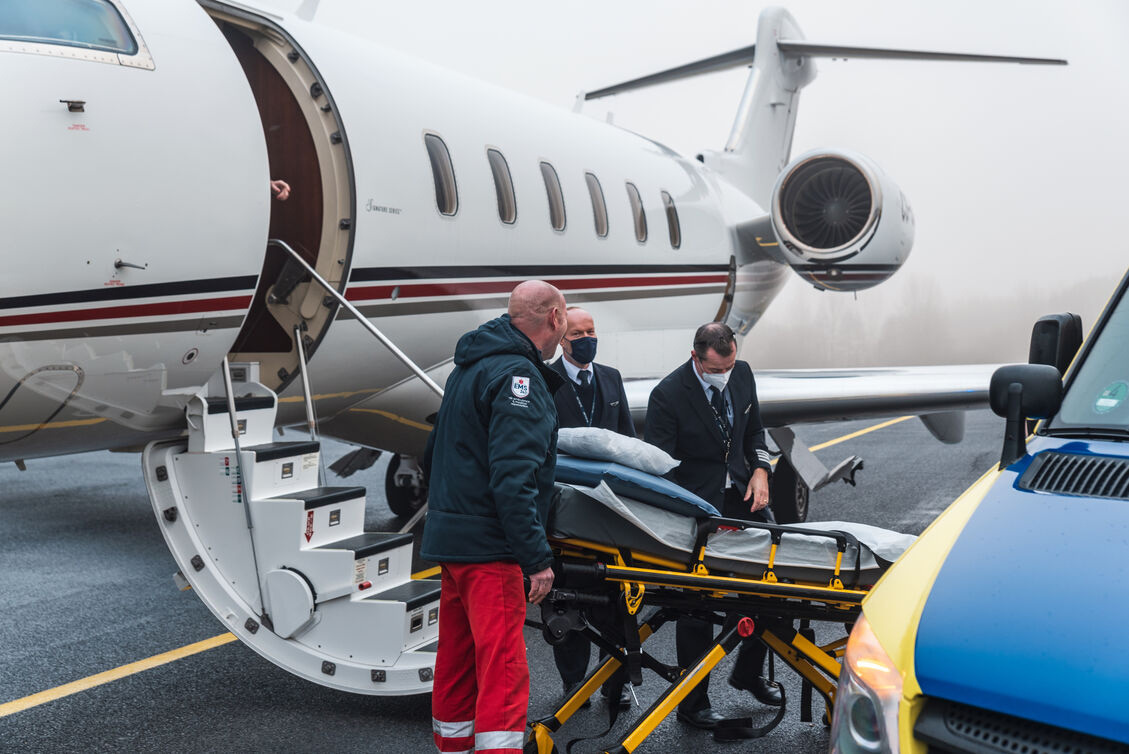
Required medical documentation
Accurate and complete medical information speeds up approval significantly.
Documents needed for air ambulance approval
- Recent medical summary from the treating hospital
- Relevant scans, test results, and specialist reports
- Detailed medication list with dosages
- Oxygen requirement reports, if applicable
- Stability assessment from the treating physician
The medical team needs these documents to understand the patient’s condition thoroughly. Incomplete or outdated documentation is one of the most common reasons for delays in approval.
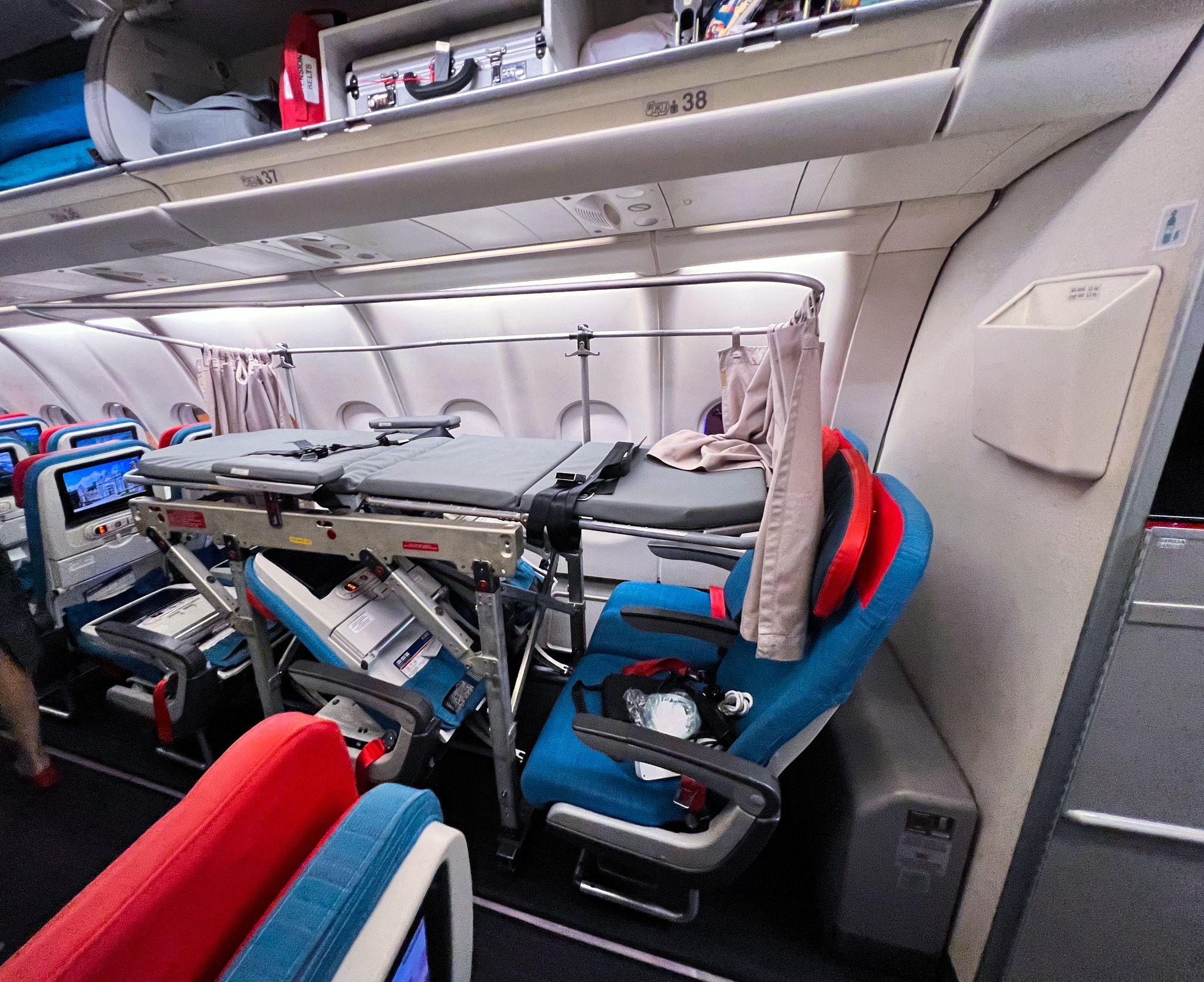
Risk analysis by flight doctors
Every mission includes a risk analysis based on international aeromedical standards.
Flight doctors analyse all risks associated with altitude, cabin pressure, and the patient’s specific medical condition. For example, some patients with brain injuries, severe infections, or unstable cardiac conditions may require special cabin pressure settings or additional equipment during flight.
Typical risk factors
- Potential for rapid deterioration
- Oxygen dependency or respiratory instability
- Risk of bleeding, stroke, or cardiac events
- Infection control requirements
- Special handling for immobilised or ICU patients

Choosing the safest transport option
Based on the assessment, doctors decide which transport method ensures the highest level of safety.
Air ambulance
- Highest medical capability
- Fast and direct transport
- Ideal for unstable or ICU patients
- Higher operational cost
Medical escort on commercial flight
- More cost-effective
- Suitable for stable patients
- Dependent on airline medical approval
Ground ambulance
- Flexible and widely available
- Longer travel times


