Air Ambulance for Organ Transplant Patients
Why air ambulances are essential for transplant cases
Time is the most critical factor in organ transplantation.
Organ transplant patients often require rapid evacuation either before surgery, when an organ becomes available, or after surgery when specialized follow-up care is required. Air ambulances offer rapid deployment, medical-grade infection control, and nonstop routing unavailable with commercial flights.
This ensures the patient arrives safely and within strict clinical time windows.
Common reasons why air ambulance is needed for transplant patients
- Strict time limits for organ viability
- Need for continuous specialist monitoring
- Immunosuppressed patients requiring infection control
- Immediate transfer between transplant centres
- Unstable medical condition after surgery

Medical capabilities onboard
Transplant patients need advanced airborne critical care.
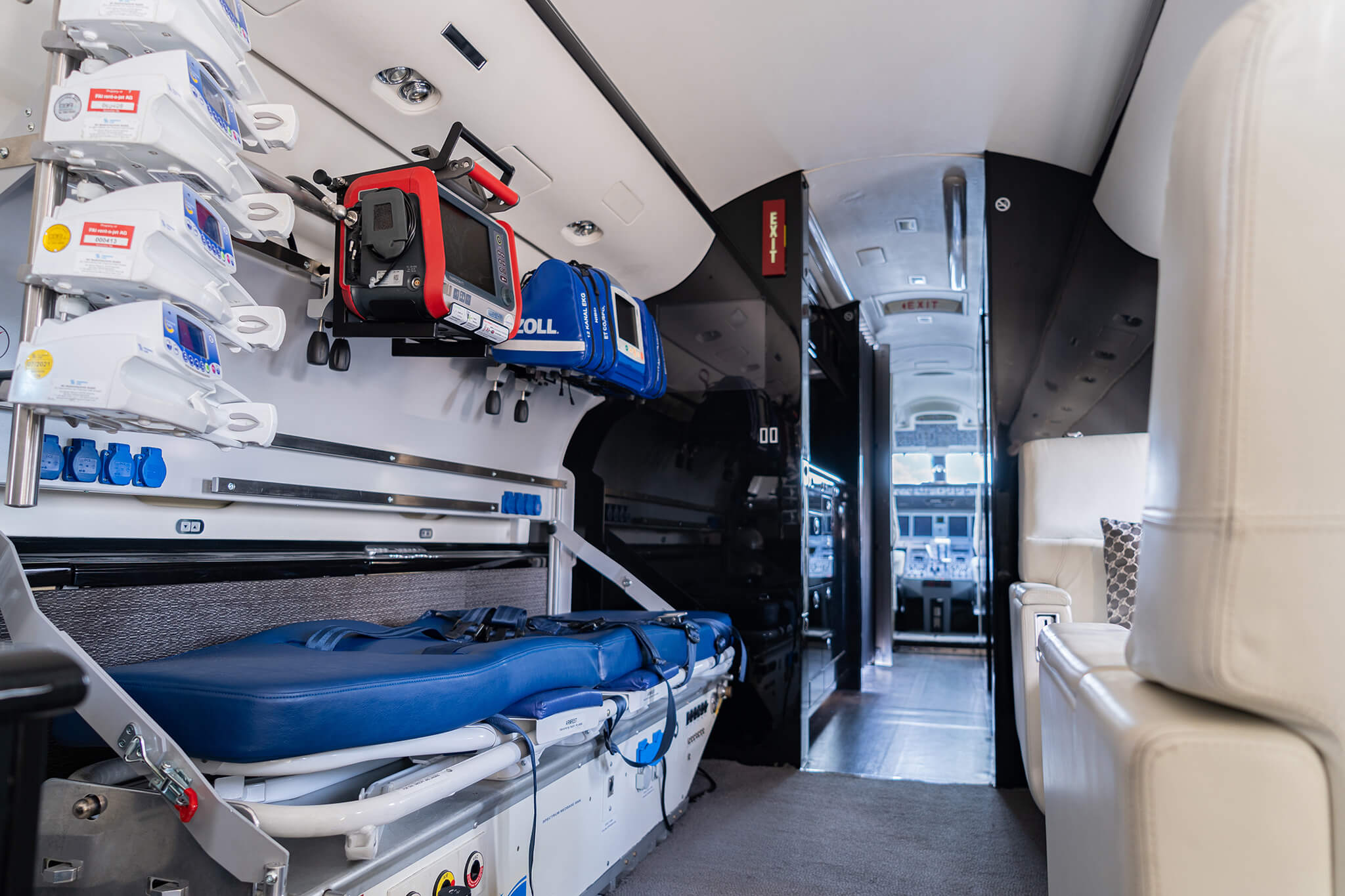
Each flight includes a specialist medical team trained in transplant care, emergency medicine, and intensive care. Aircraft are equipped with isolation options, ventilation, cardiac monitoring, and continuous IV medication management.
Onboard medical equipment
- Full ICU-level monitoring
- Advanced ventilators
- Medication infusion systems
- Portable laboratory diagnostics
- Isolation equipment for infection control
Organ recipients often need immunosuppression

How the transport process works
A dedicated coordination team handles all logistics.
Steps in transplant patient transport
Medical evaluation
The team assesses stability, infection risk, and care needs.
Flight planning
Direct routing and airport coordination are arranged.
Ground ambulance links
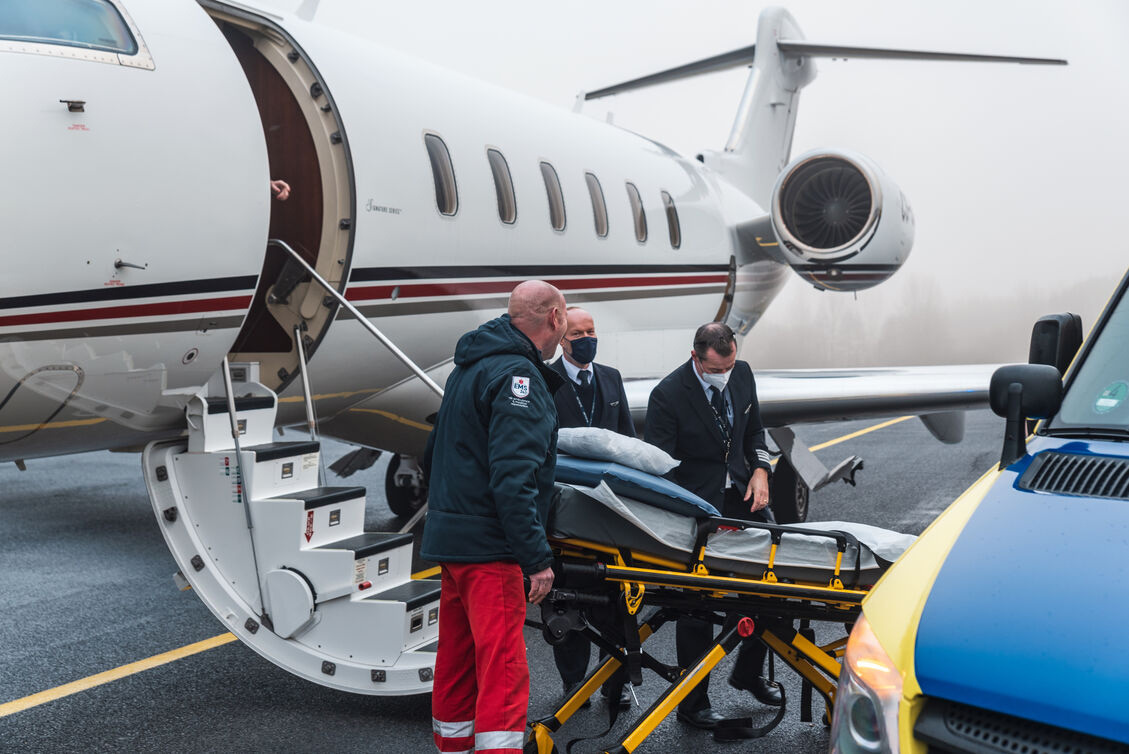
Door-to-door patient transfer between hospitals and airports.
In-flight care
Continuous monitoring and immediate response capability.
Arrival and handover
Patient is delivered directly to the transplant team.

Safety and infection control
Transplant patients are extremely vulnerable to infection.
Transplant patients often receive strong immunosuppressive therapies, making infection control a top priority. Medical aircraft allow controlled environments with strict hygiene standards and air filtration systems.
Key infection control measures
- HEPA-filtered air systems
- Sterile equipment handling
- Protective isolation when needed
- Dedicated medical crew for transplant cases
- Pre-flight aircraft sanitation protocols
Costs and insurance
Costs depend on urgency, distance, team composition, and equipment.
Organ transplant transport is often medically essential. Insurance may cover some or all costs if medical necessity is confirmed. Price is influenced by aircraft type, specialist crew, and the time-critical nature of the mission.
Main cost factors
- Distance and route viability
- Urgency and availability of aircraft
- Specialist ICU team
- Complex medical equipment
- Ground ambulance requirements
Preparation checklist
Accurate medical information speeds up approval and planning.
Checklist
Medical summary
Including transplant status and immunosuppression details.
Medication list
Full schedule with dosages.
Treating specialist contact
For communication during planning.
Travel documents
Passport, hospital referrals, insurance details.