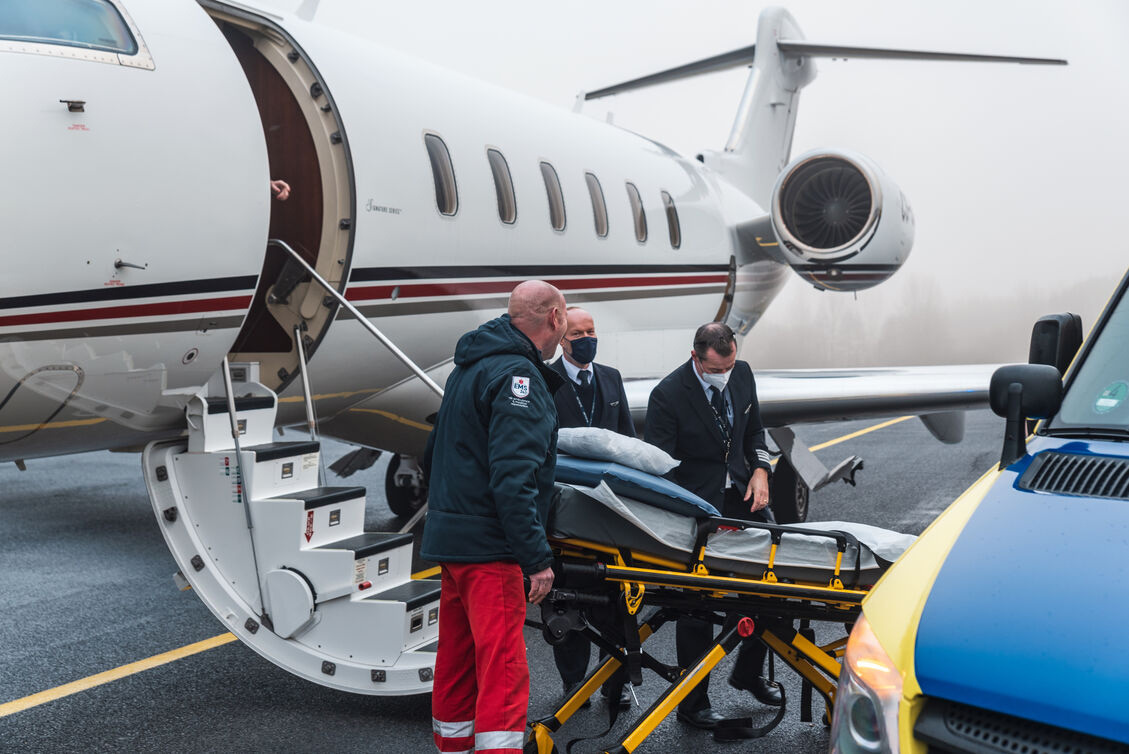
Why Some Patients Are Denied Boarding on Commercial Flights
Why airlines refuse passengers
Commercial airlines must protect the safety of the patient and everyone on board.
Airlines are not equipped to handle complex or unstable medical conditions. Cabin pressure changes, long sitting times, limited medical equipment and the confined environment can create serious risks. If a patient is likely to deteriorate during the flight or needs care beyond the crew’s capabilities, boarding is denied.
Common reasons for denial
- Unstable vital signs
- Oxygen dependency beyond airline-approved systems
- Infectious disease risk
- Recent surgery with risk of complications
- Inability to sit upright for extended periods
- Need for continuous medical monitoring

How airline medical clearance works
Most airlines require a medical form (MEDIF) to assess whether flying is safe.
How medical clearance is evaluated
Medical information submitted
The treating doctor completes a medical form describing the condition.
Airline medical team review
Airline doctors decide whether the patient can safely fly.
Approval or refusal
If risks are too high, boarding is denied or conditions are imposed.
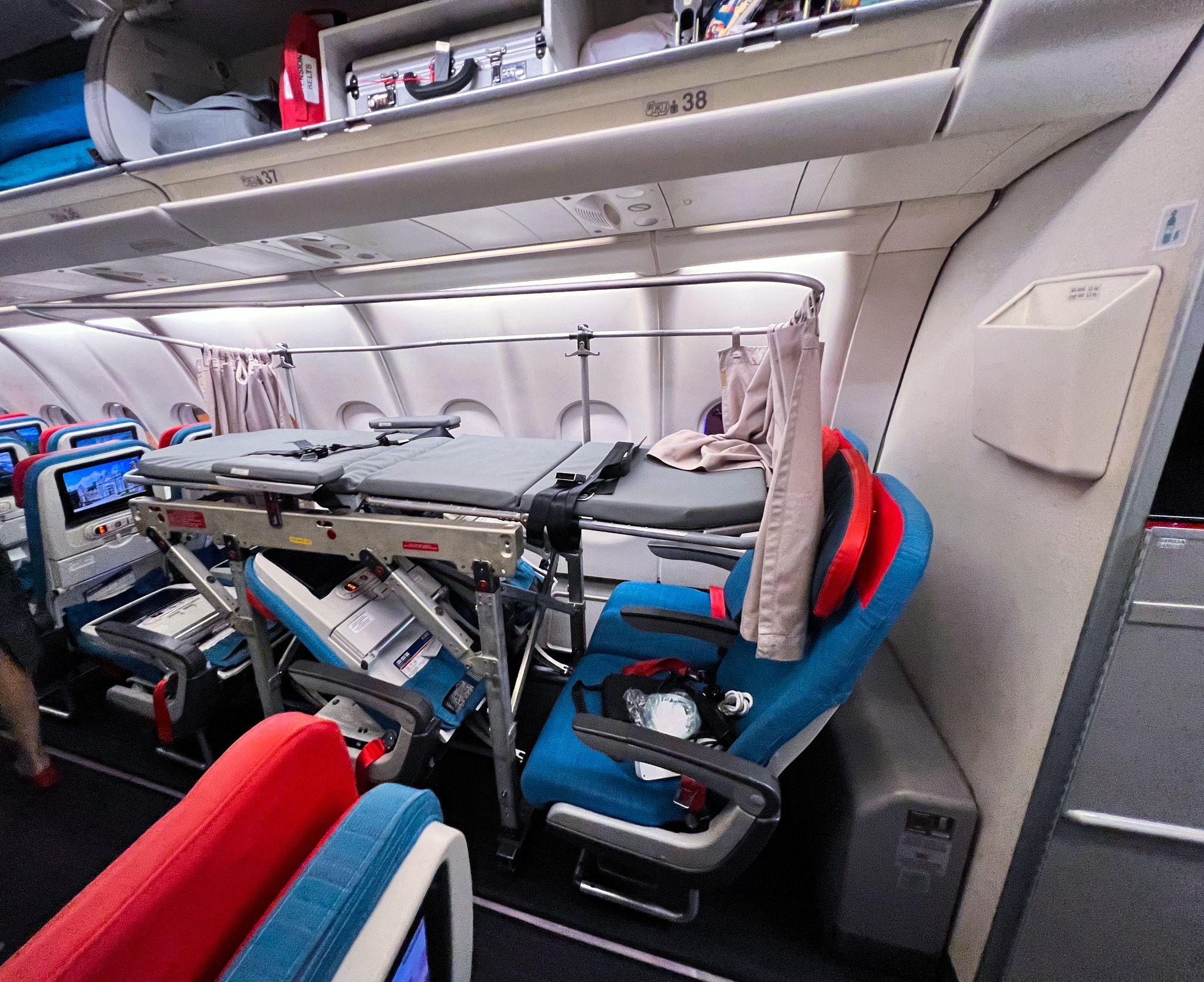
Common high‑risk medical conditions
Certain conditions are known to be unsafe for commercial air travel.
Conditions that often require special approval
- Recent heart attack or stroke
- Uncontrolled pulmonary disease
- Recent abdominal, eye, or brain surgery
- Infectious diseases (e.g., TB, measles)
- Severe fractures requiring immobilization
- High oxygen needs (above airline compatibility)
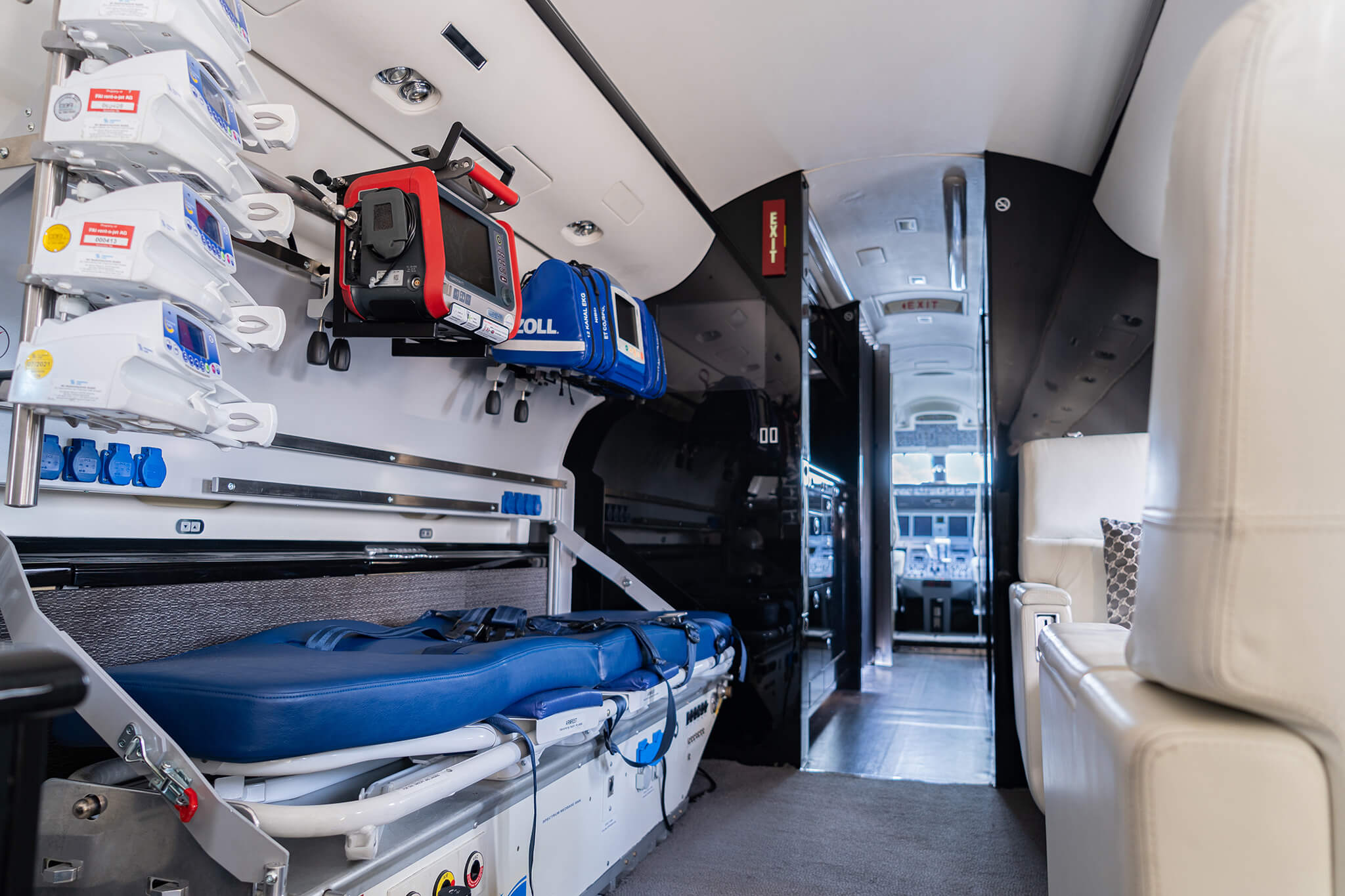
When an air ambulance is necessary
If a patient cannot meet airline medical requirements, an air ambulance is the safe alternative.
An air ambulance is a medically equipped aircraft staffed with a specialized medical team. It allows patients to travel lying down, with oxygen systems, ventilators, medication pumps and monitoring. For unstable or high‑risk patients, this is often the only safe way to fly.
Typical air ambulance cases
- Patients with unstable vitals
- High-risk post‑operative patients
- Severe respiratory failure requiring advanced oxygen support
- Infectious disease cases requiring isolation
- Patients unable to tolerate standard cabin pressure
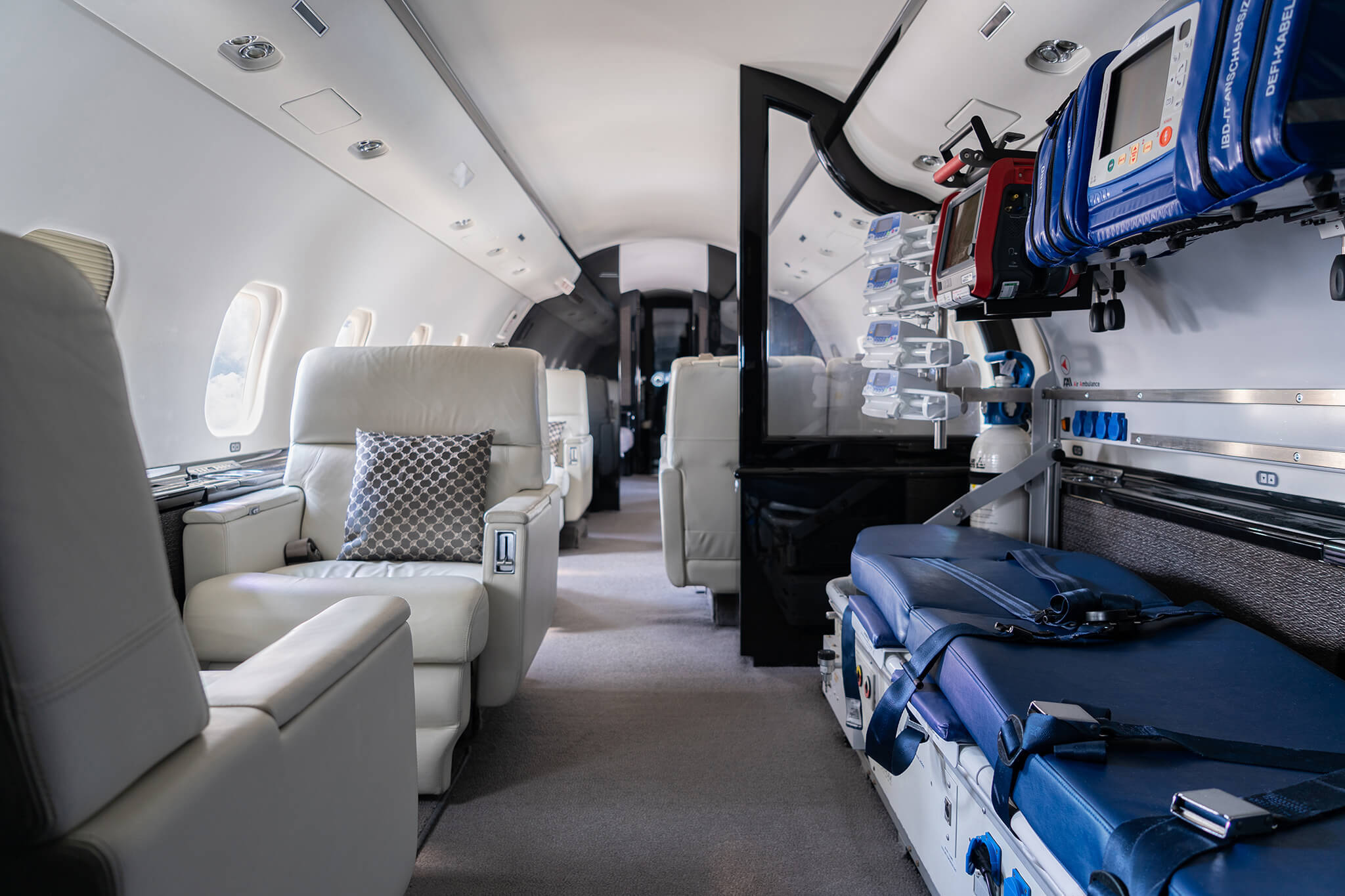
Preparing for medical travel
Proper preparation speeds up assessment and prevents travel delays.
Checklist for patients and families
Recent medical report
Including diagnosis, treatment plan and stability assessment.
Medication list
With dosages and administration schedule.
Contact details of treating doctor
For medical clearance and coordination.
Travel documents
Passports, insurance details and previous clearance if applicable.