Medical Repatriation from Remote Islands: Complete Guide and Clear Answers
Why medical repatriation from remote islands is different
Island evacuations require multiple transport stages and advanced preparation.
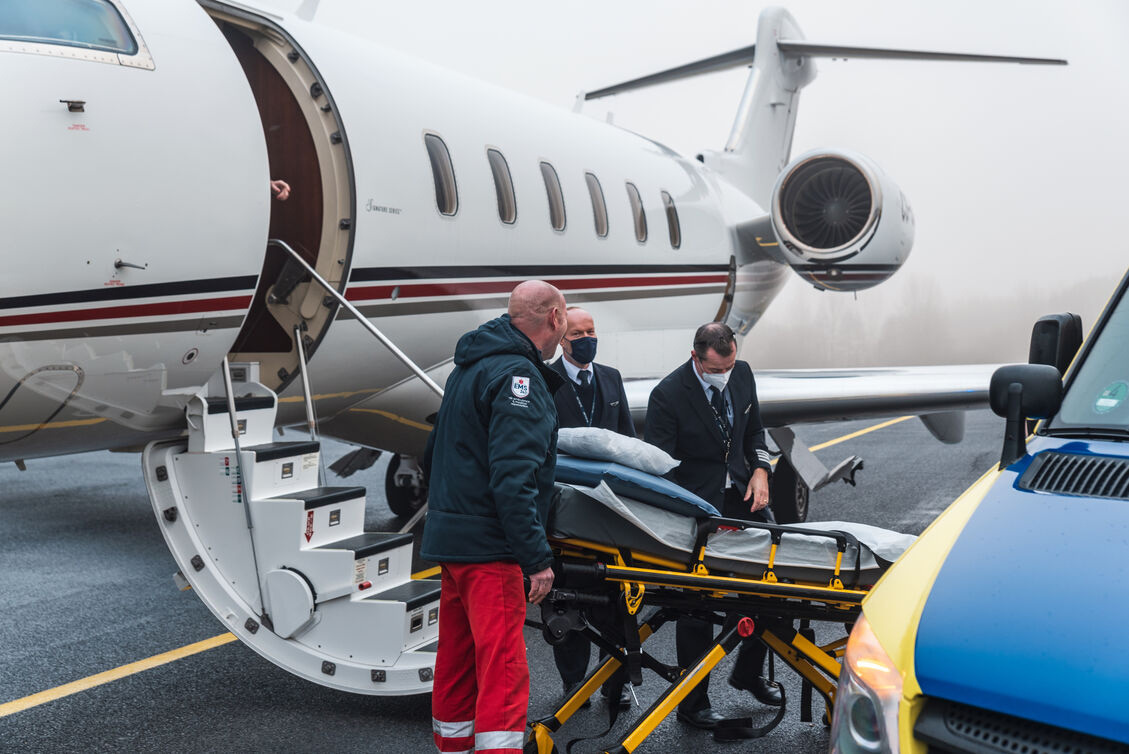
Remote islands often lack advanced hospitals, making medical repatriation necessary when a patient’s condition cannot be treated locally. Evacuation usually requires multiple steps: a helicopter or boat transfer to the nearest airport, followed by a fixed-wing air ambulance to a hospital on the mainland. Weather conditions, limited infrastructure, and long distances make the process more complex.
Careful medical coordination ensures that the patient receives the right level of support throughout the entire journey.
Common challenges on islands
- Limited or no hospital facilities
- Weather restrictions for helicopters
- Long travel distances to mainland hospitals
- Restricted airport operating hours
- Limited availability of medical teams on location
Important
Transport options for remote islands
Different situations require different combinations of helicopter and aircraft support.
Helicopter evacuation
- Ideal for short-range island transfers
- Can land in remote or improvised areas
- Fast access for emergencies
- Weather-dependent
- Limited range
Fixed-wing air ambulance
- Advanced onboard medical equipment
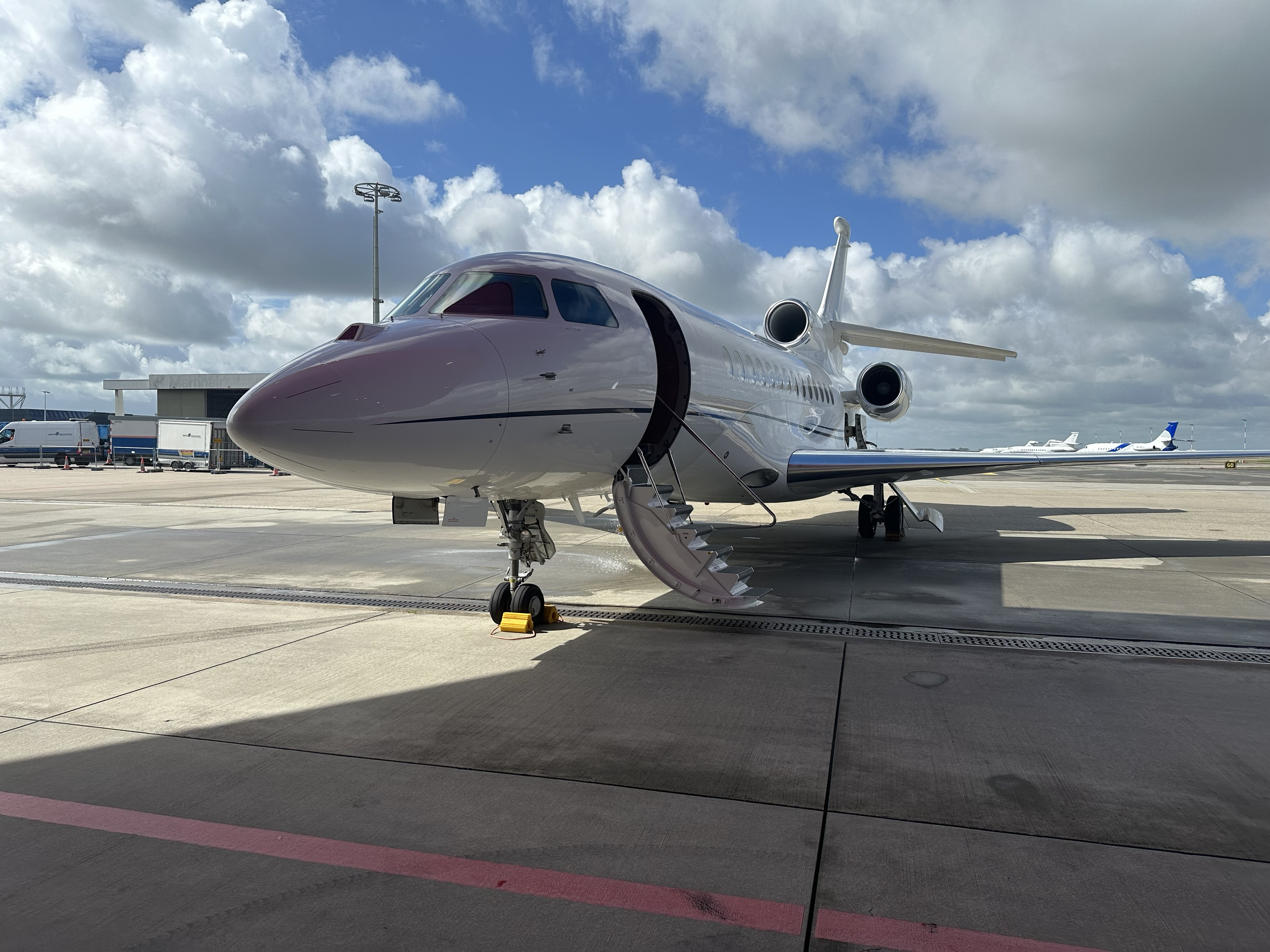
- Suitable for long flights
- Stable environment for critical care
- Requires airport access
Medical escort on commercial flight
- Lower cost
- Suitable for stable patients
- Airline approval required
How coordination and planning works
Island evacuations require flawless coordination between multiple transport stages.
Typical process
Intake
Collect medical reports and determine urgency.
Medical assessment
Evaluate which transport combination is required.
Stage planning
Coordinate helicopter, ground ambulance, and air ambulance timing.
Execution
Stabilised patient transfer across all transport stages.
Handover
Final transfer to the receiving hospital team.
Costs and insurance
Island evacuations vary widely in cost due to multiple transport stages.
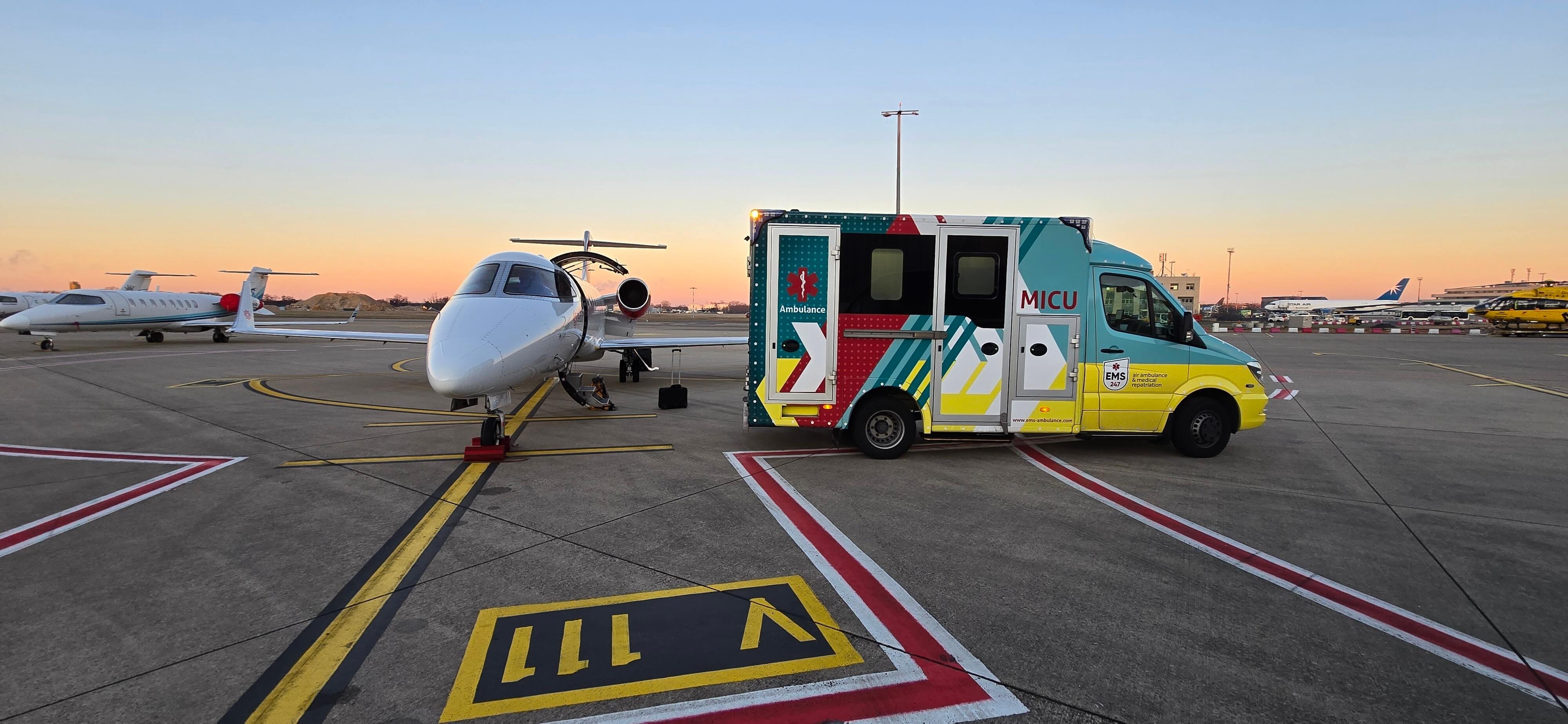
Costs depend on distance, urgency, availability of helicopters, fixed-wing aircraft type, medical staffing, and ground transfers. Weather delays or required standby teams may also increase costs. Insurance coverage depends on the policy and whether the repatriation is medically necessary.
Main cost factors
- Helicopter transfer from the island
- Fixed-wing air ambulance distance
- Medical equipment and staffing
- Urgency and time of day
- Ground transfers to and from airports
What you need to prepare
Accurate medical and logistical information speeds up island evacuation planning.
Checklist
Medical summary
Recent documentation from the treating doctor.
Medication list
Including dosages, allergies, and special requirements.
Exact island location
Resort, coordinates, or local clinic contact.
Travel and insurance
Passport, policy details, and emergency contact information.