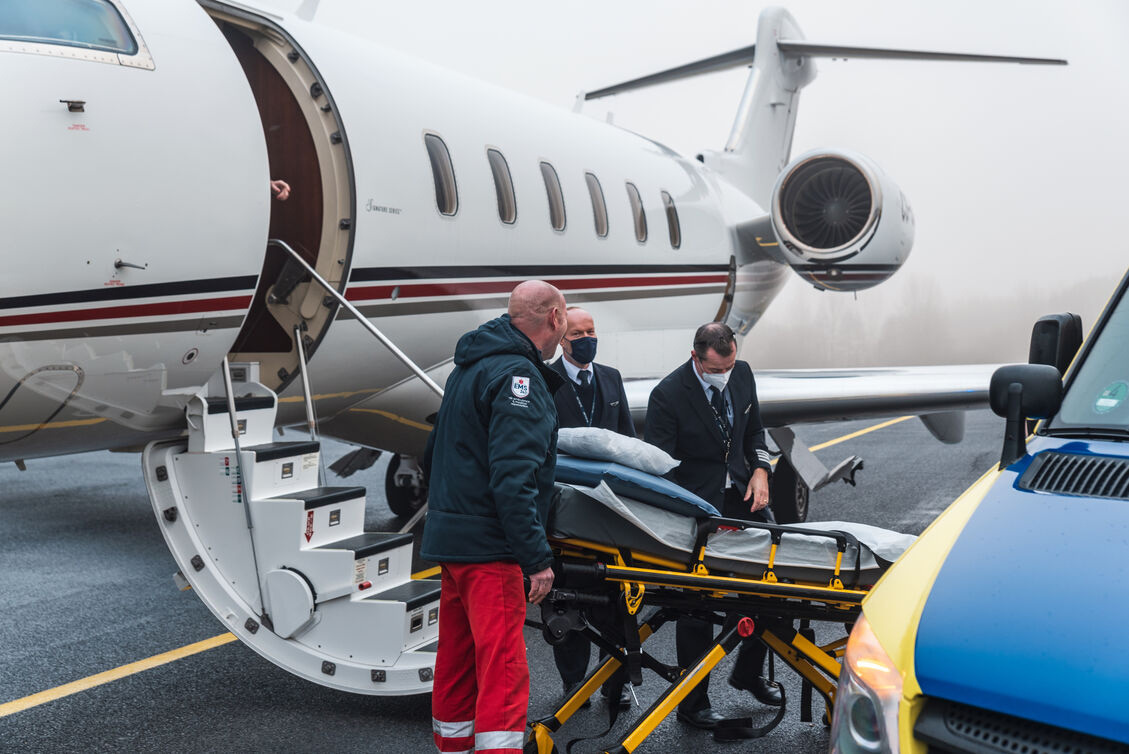
How long does it take to organise an air ambulance?
What determines the response time
The time needed to organise an air ambulance depends mainly on medical criteria and logistics.
The required medical care level, patient severity, and distance determine how quickly an air ambulance can be organised. In many cases, a mission can be prepared within hours if all information is complete. Complex medical or logistical situations may take longer.
Each mission starts with medical approval and aircraft allocation, followed by crew preparation and global flight planning.
Key elements that define preparation time
- Medical stability and required equipment
- Departure location and destination
- Airspace permissions and airport availability
- Medical team readiness
- Ground ambulance coordination
Typical timeframe
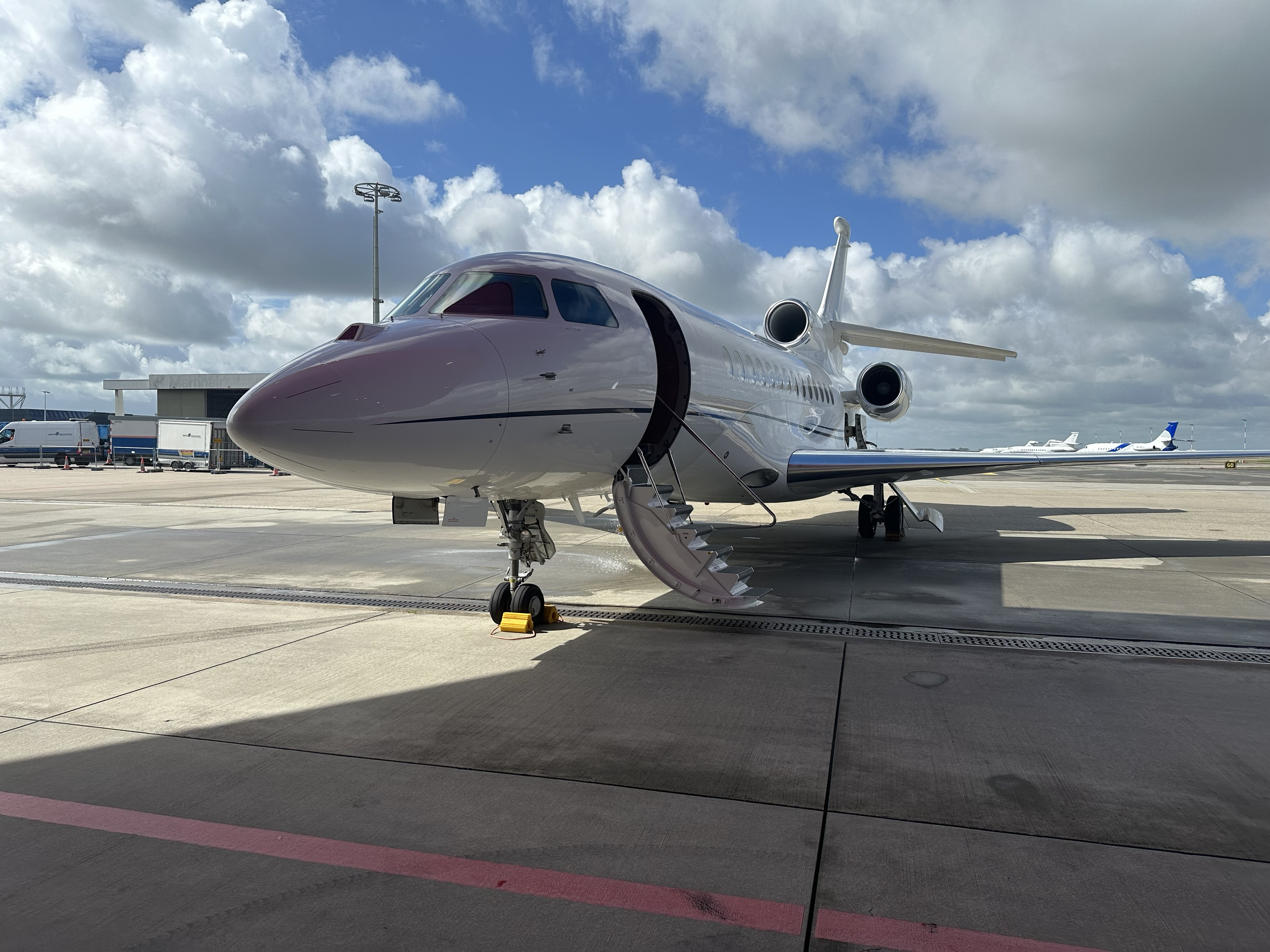
How fast an air ambulance can depart
Air ambulances operate 24/7 and can be dispatched quickly — sometimes extremely quickly.
Typical dispatch times
- 1–2 hours for urgent missions within Europe
- 2–6 hours for long‑range international flights
- 6–12 hours for remote or regulated destinations
- Immediate dispatch possible when an aircraft and crew are already on standby
Aircraft type also matters. Long‑range jets such as the Global 6000 or Global 7500 are often stationed at major hubs, while smaller aircraft may require repositioning. Medical teams must prepare specialised equipment, medication, and patient‑specific configurations.

The full organisation process
To ensure medical and operational safety, every air ambulance mission follows a structured workflow.
Standard workflow
Medical intake
Details collected from doctors, hospital, or family.
Medical review
A flight physician determines if transport is safe and which aircraft is suitable.
Logistics planning
Aircraft, crew, routes, permits, and slot clearances are organised.
Ground transfers
Ambulances at departure and arrival locations are arranged.
Flight execution
Patient is transferred, stabilised, and monitored during the entire mission.
Handover
Final delivery to a hospital, clinic, or home care team.
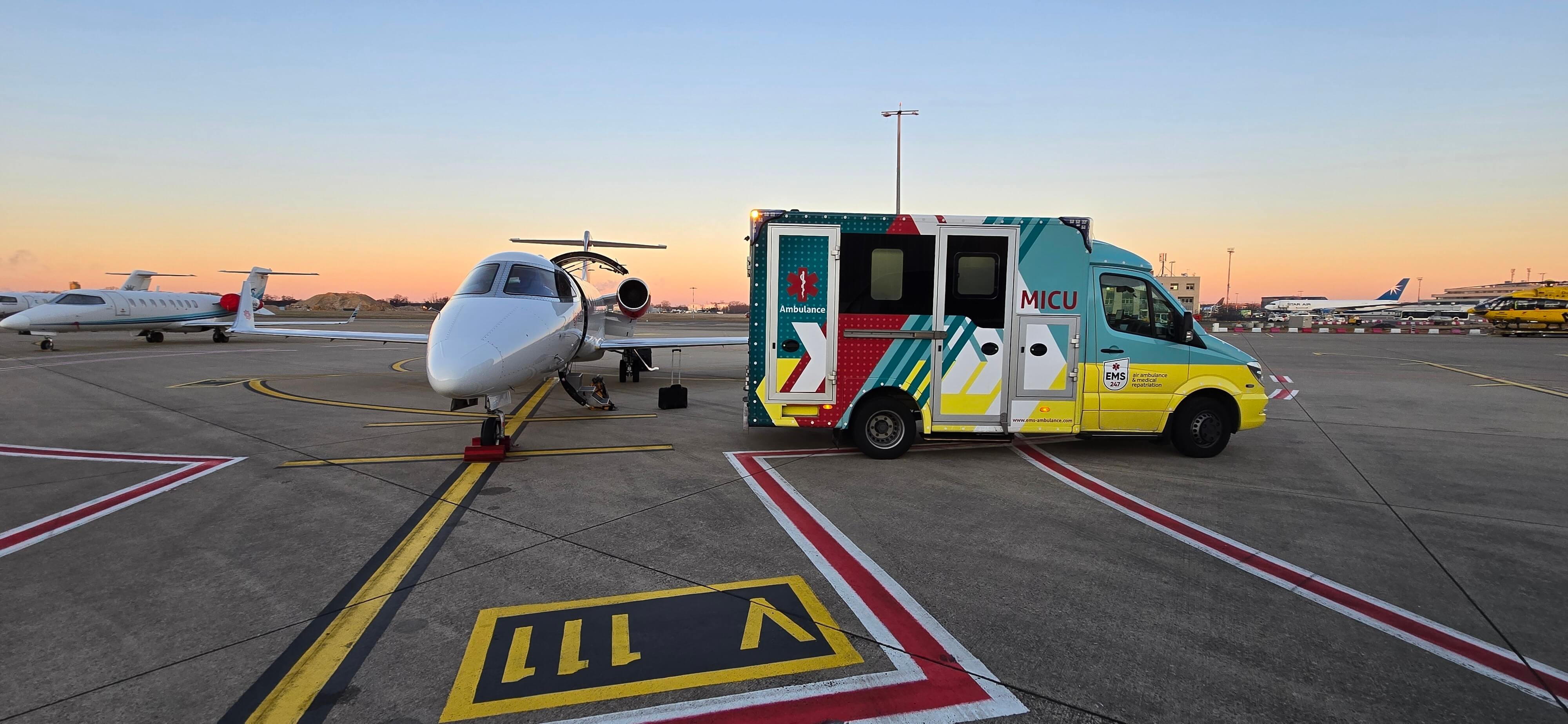
What influences delays
While preparation can be fast, several external factors can affect the timeline.
Potential delay factors
- Limited night‑time operations at certain airports
- Severe weather affecting flight safety
- Governmental permits for international medical missions
- Hospital capacity or availability of ICU beds
- Incomplete medical documentation
In many countries, overflight permissions for medical evacuations can be fast‑tracked. However, some regions require specific clearances, especially for long‑range air ambulance missions crossing multiple jurisdictions.
How to speed up arrangements
Providing complete information early can significantly accelerate the dispatch time.
Checklist for fast organisation
Recent medical report
Including diagnosis, vitals, and stability assessment.
Medication overview
List all medicines, allergies, and treatments.
Hospital contacts
Physician‑to‑physician communication speeds up clearance.
Travel documents
Passports and insurance details ready for all travellers.
Exact location
Precise hospital or clinic name and address.