Can Family Members Travel on an Air Ambulance?
When family can accompany the patient
In many medical flights, at least one family member can come along — but it depends on the aircraft, medical situation, and safety requirements.
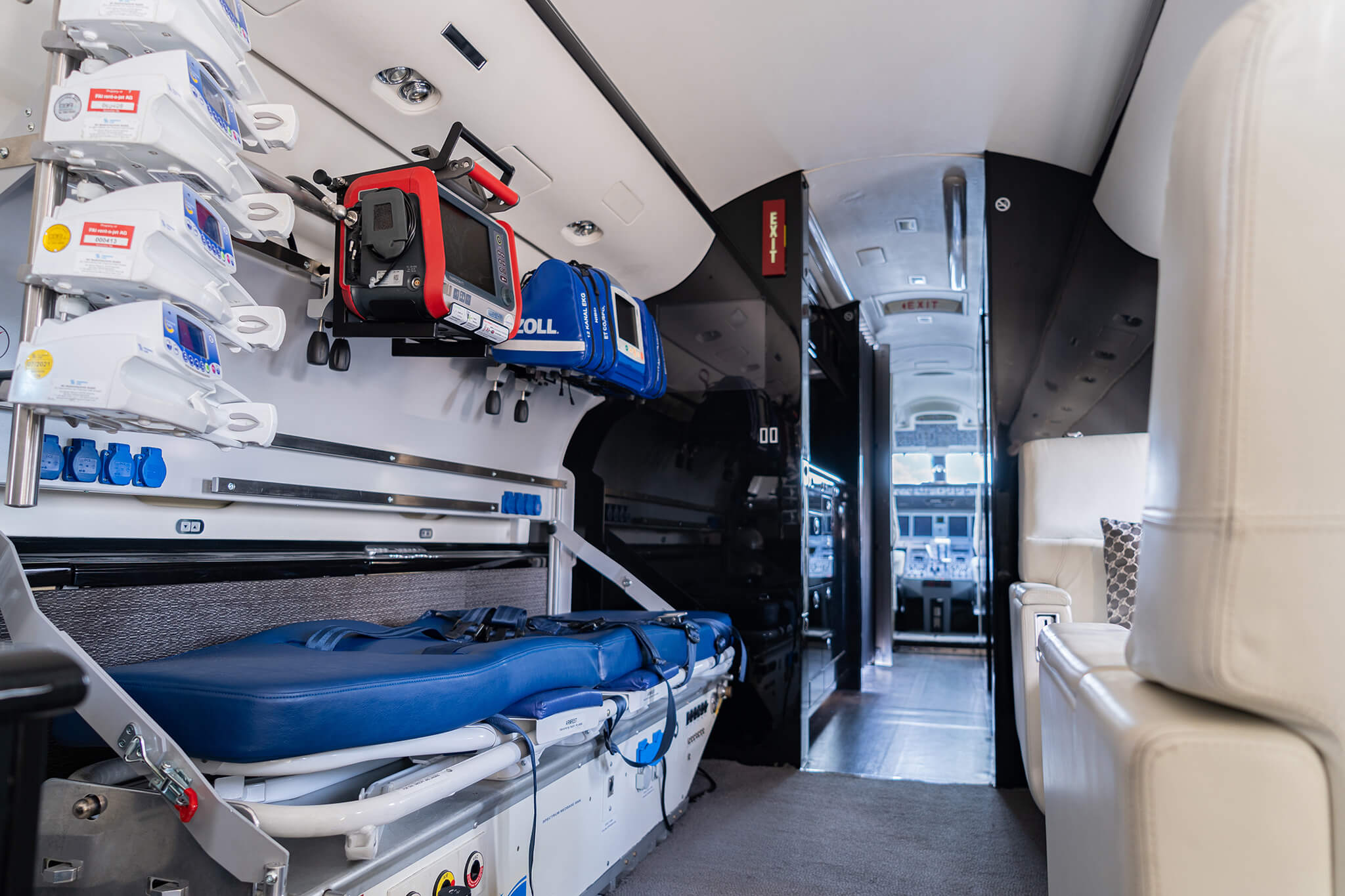
Air ambulances often have at least one dedicated seat for an accompanying person. However, the decision is based on the patient’s condition and the medical crew’s safety assessment. If complex equipment or multiple medical staff are needed, available seating may be limited.
For stable patients or planned repatriations, family accompaniment is often possible.
Factors determining if family can join
- Aircraft size and seating layout
- Medical equipment required
- Number of medical crew needed
- Patient’s stability
- Flight distance and operational rules

Safety and seating rules
Air ambulances follow strict aviation and medical regulations. Family members are welcome only when safety can be guaranteed.
What family members should expect
Safety briefing
Crew provides instructions for emergency procedures and how to move inside the aircraft.
Assigned seat
Relatives must stay in the designated seat during take-off, landing, and turbulence.
Limited luggage
Only small personal bags are allowed due to medical equipment storage.
No interference
Family must not obstruct medical care or equipment access.
Possible restrictions
Some missions allow only one accompanying person due to weight and balance requirements.
Family on long‑distance medical flights
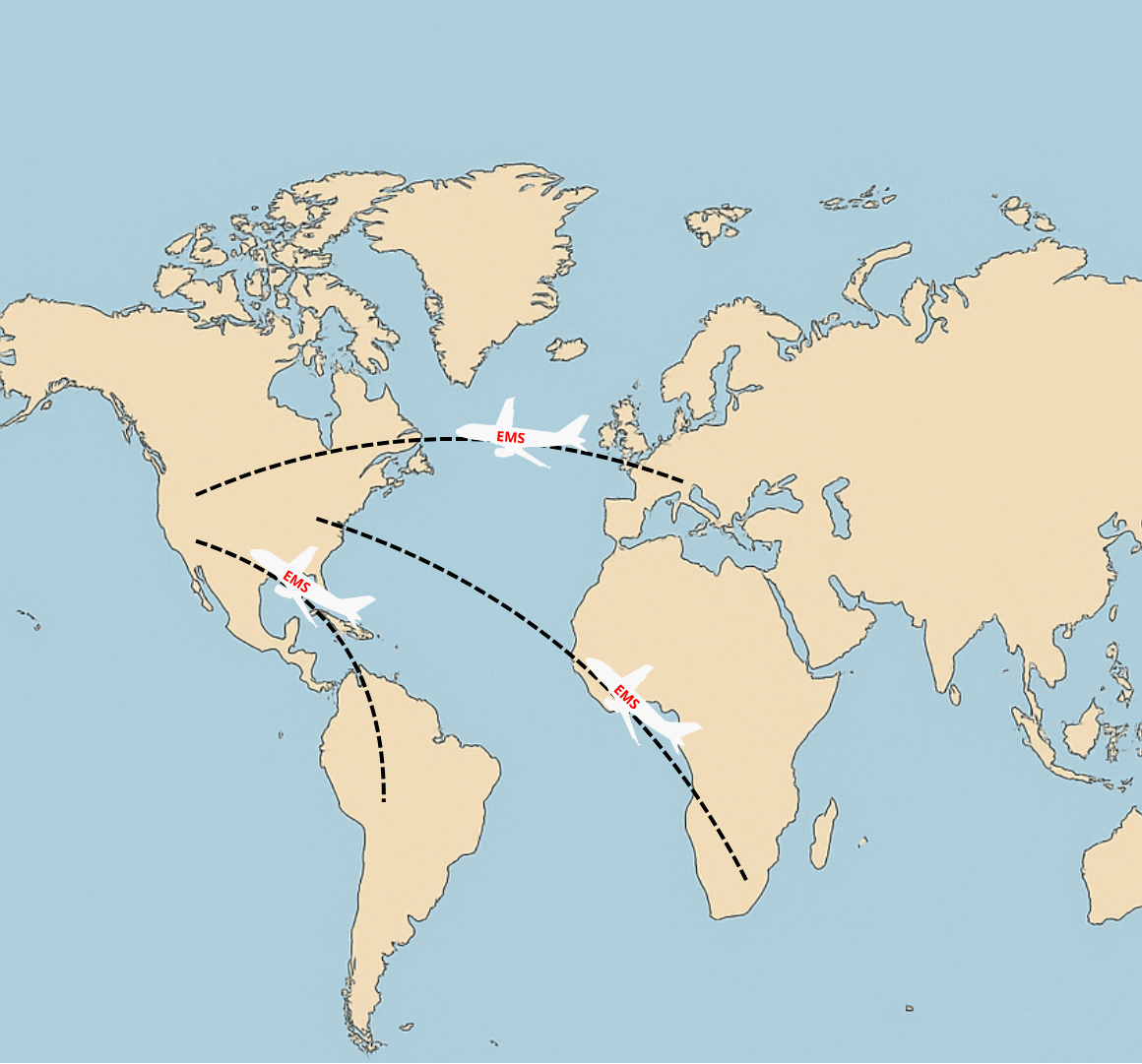
Intercontinental air ambulance flights follow additional operational and comfort considerations.
For long-haul flights, comfort and endurance become important factors. Air ambulances such as Global or Challenger jets typically have space for one or two relatives. Crew may restrict additional passengers on missions involving ventilators, critical care, or isolation protocols.
Additional considerations for long flights
- Possibility of multiple fuel stops
- Limited movement during the flight
- Rest requirements for medical crew
- Cabin pressure considerations for certain medical conditions
- Potential overnight stays for relatives at stopover locations
If relatives cannot fly onboard
When onboard travel is not possible, several alternatives ensure family can still travel quickly and stay close to the patient.
Common alternatives
- Commercial flight arranged in parallel with the air ambulance
- Ground transport to meet the patient at the receiving hospital
- Second aircraft for groups of family members
- Remote updates from the medical team throughout the flight
Good to know