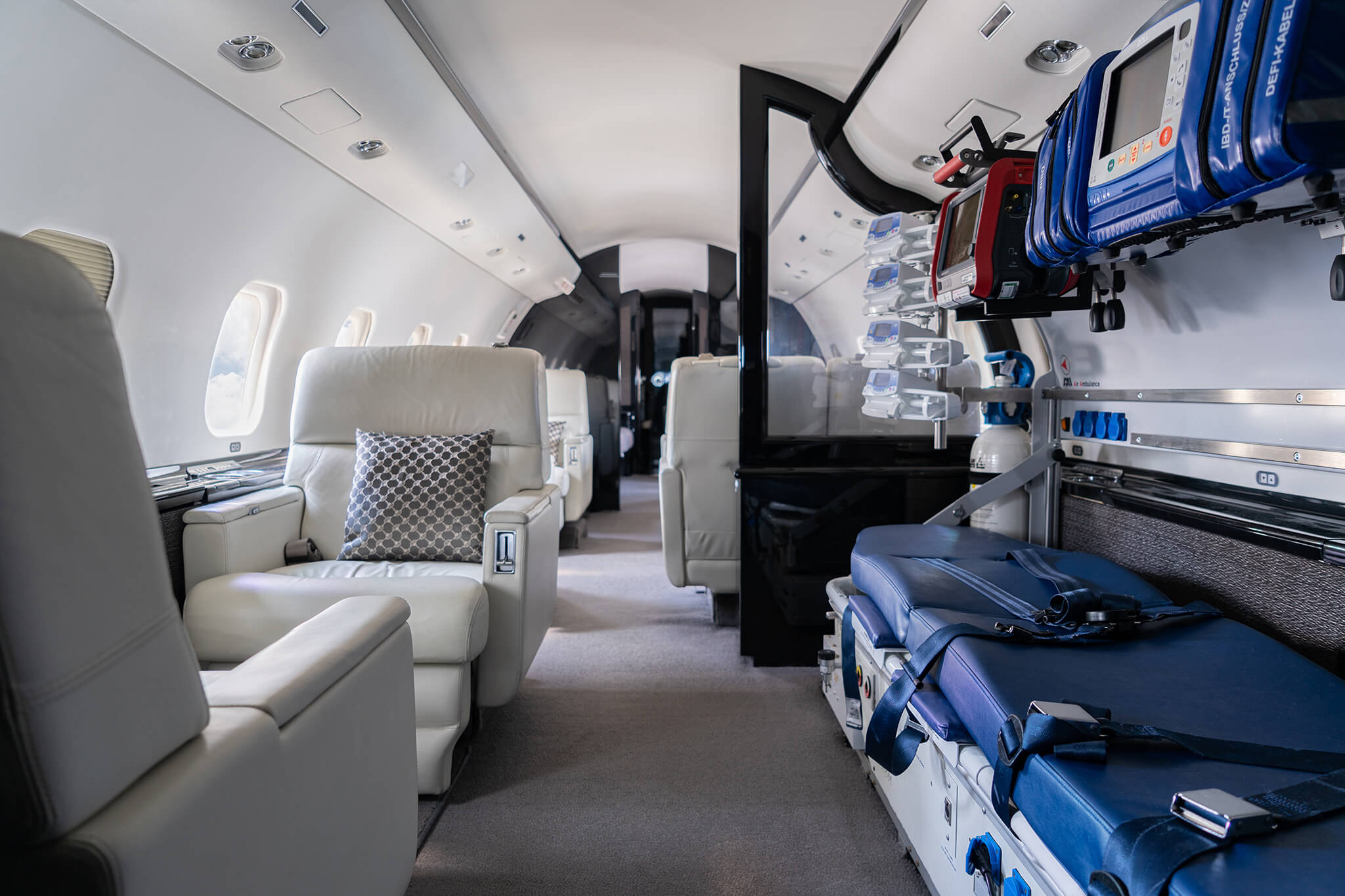
Can air ambulances land anywhere? Clear guidance on airport and landing options
Where air ambulances can land
Air ambulances can land at thousands of airports, but not at every location.
Air ambulances can use most international, regional and local airports. Many have priority handling and medical arrival procedures to minimise delays. However, no air ambulance can land literally anywhere. Safety rules, runway size, aircraft weight and local regulations define what is possible.
At EMS Air Ambulance, each mission begins with analysing which airports or landing zones are medically and operationally suitable for the patient.
Common landing options
- International airports with full medical handling
- Regional airports close to smaller towns
- Local airfields suitable for light medical jets
- Approved helipads for helicopter EMS
Important to know
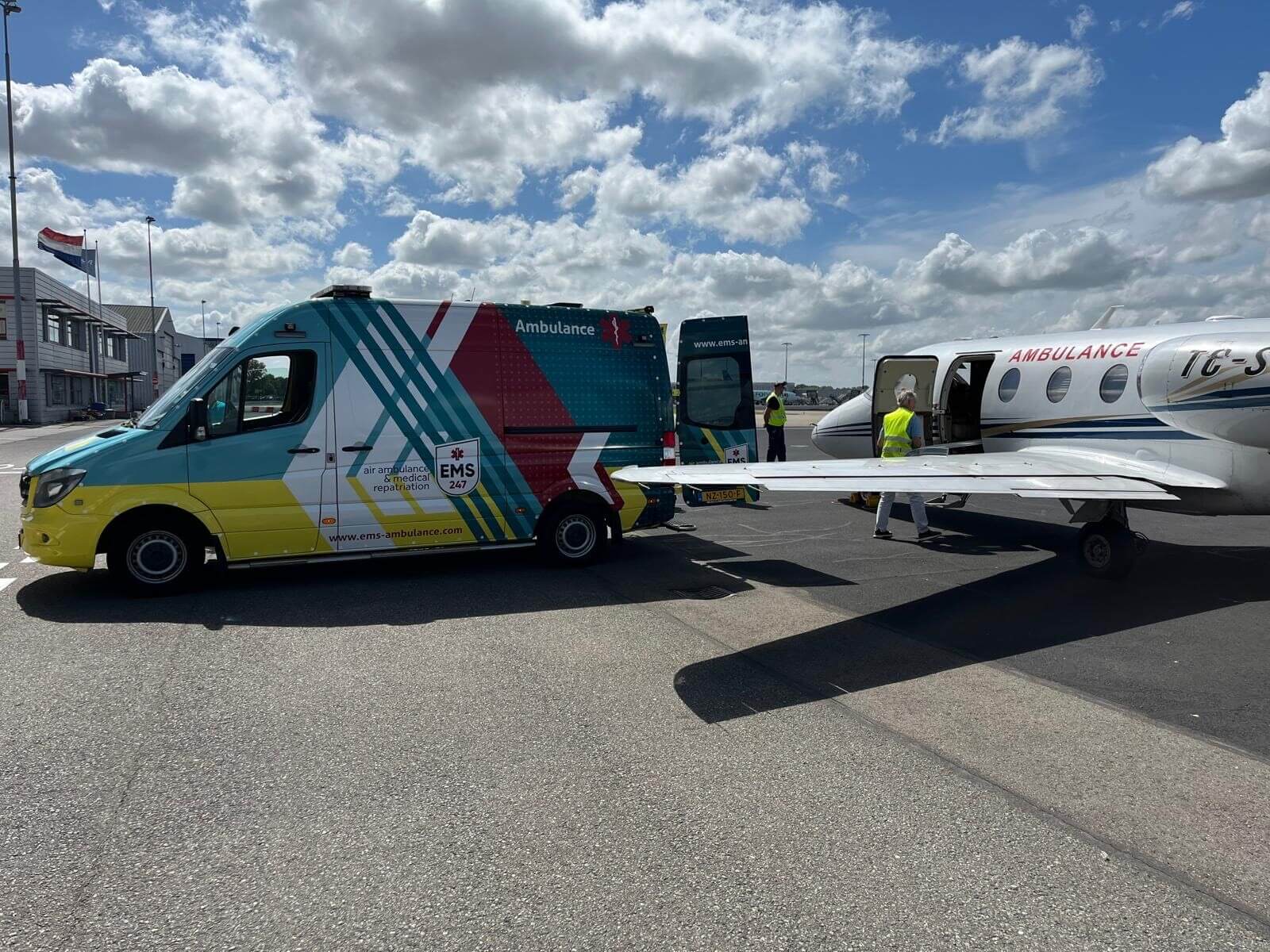
How EMS selects the best airport
The patient’s medical condition determines how close we need to land.
Key steps in airport selection
Medical assessment
Defines how time‑critical the transport is.
Aircraft match
We choose an aircraft that fits the runway and distance.
Airport analysis
Runway capability, fuel, handling and medical access are evaluated.
Coordination
We arrange priority landing, transfers and hospital access.
Types of landing locations
Different mission types require different landing infrastructures.
International airports
- Always equipped for medical handling
- Suitable for all air ambulance jets
- Fast ground ambulance access
- Often further from rural areas
Regional airports
- Shorter ground ambulance transfers
- Flexible operations
- Shorter runways may limit aircraft type
Local airfields
- Very close to the patient’s location
- Limited opening hours and handling
Helipads (helicopter EMS)
- Minimal transfer time
- Access to remote areas
- Limited range
- Weather dependent
What determines landing permission
Landing permission depends on more than geography.
Landing approval is based on international aviation laws and local airport rules. Weather, runway length, aircraft size and medical urgency all influence whether a landing is possible. EMS Air Ambulance handles all coordination with aviation authorities and airport operators.
Main factors
- Runway length and surface quality
- Aircraft type and weight
- Weather and visibility
- Airport operating hours
- Customs and immigration availability
- Medical ground support
- Approach and terrain restrictions