Can a patient become unstable during a medical flight?
Immediate reassurances & USPs
Every flight is supported by experienced medical specialists and ICU-level equipment.
Why families choose EMS Air Ambulance
- ICU-level monitoring and equipment on every medical flight
- Experienced flight physicians and critical-care nurses on board
- Continuous monitoring and real-time treatment adjustments
- 24/7 availability with fast global deployment
- Free quote within 30 minutes
- Emergency landing protocols ready if required
- Full transparency: EMS does not work directly with insurance companies, but clients may request reimbursement afterward
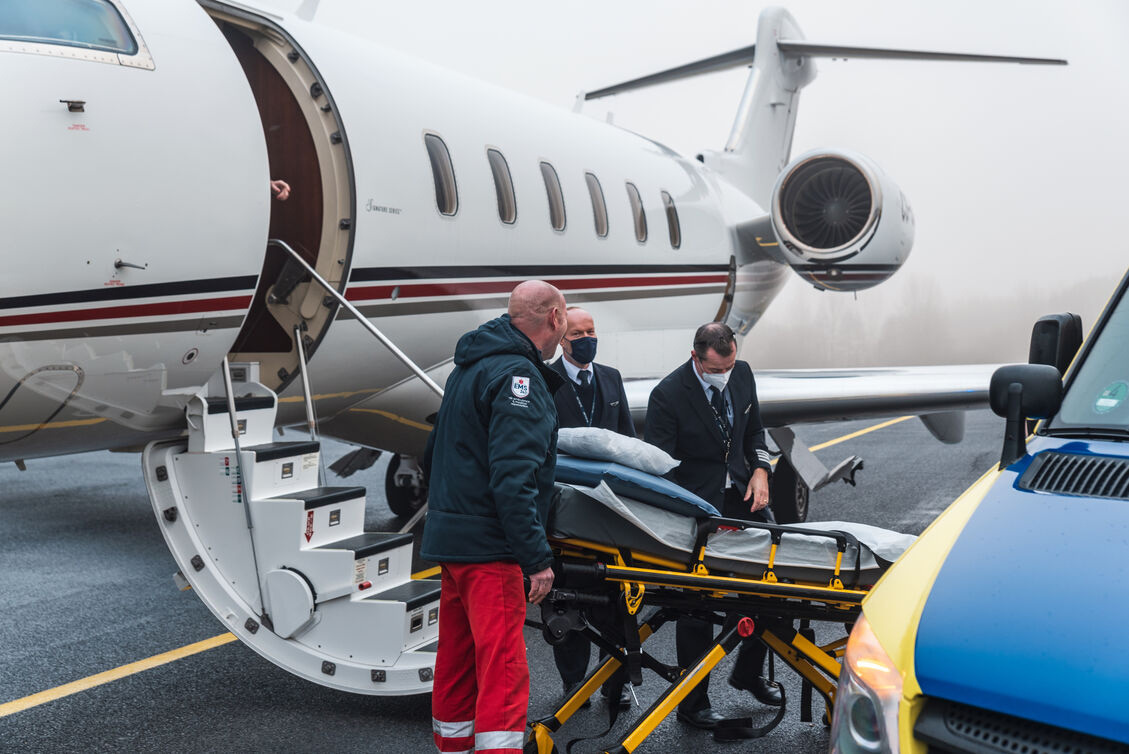
Can a patient become unstable during a medical flight?
Yes, it is possible — especially when transporting patients with serious or complex conditions.
Even with careful planning, a patient’s condition can change. Altitude, underlying medical issues, or unexpected developments can influence stability. This is why only specialized medical teams are allowed to manage medical flights — they are trained to anticipate, identify, and respond to any changes instantly.
While deterioration can happen, EMS Air Ambulance ensures the safest possible environment to detect and treat issues before they escalate.

How EMS keeps patients stable in the air
Every flight is operated like a moving intensive care unit.
Key in-flight medical measures
- Continuous real-time monitoring of vital signs
- Advanced airway and ventilation management
- ICU-standard infusion pumps and medication administration
- Ability to adjust oxygen levels instantly
- Immediate response to any signs of deterioration
- Medical decisions made by flight physicians with critical-care expertise
Important reassurance

Specialised medical equipment on board
EMS aircraft are equipped to handle complex medical situations.
On-board equipment typically includes
- Ventilators suitable for in-flight pressure changes
- Advanced defibrillation and cardiac monitoring systems
- Portable laboratory equipment
- Suction systems and oxygen reserves
- Advanced trauma and resuscitation kits
- Specialised stretchers and immobilization devices

What happens if a patient deteriorates during the flight?
EMS Air Ambulance teams are trained for immediate and decisive action.
Emergency response protocol
Detect
Vital signs and trends indicate early signs of deterioration.
Stabilise
Medical team adjusts medications, ventilation, or circulatory support.
Treat
Immediate intervention with ICU-level procedures if needed.
Decide
Doctors evaluate whether the flight can safely continue.
Land
If required, the pilot executes an emergency landing at the nearest suitable airport.

Costs, payment, and insurance
Transparent communication ensures no surprises.
The cost of a medical flight depends on distance, aircraft type, medical complexity, and crew requirements. EMS Air Ambulance provides clear, upfront pricing and a free quote within 30 minutes.
EMS does not work directly with insurance companies. However, many clients can request reimbursement from their insurance provider after the transport, depending on their policy and medical necessity.
Main factors influencing price
- Geographic route and distance
- Type of aircraft required
- Medical staffing and equipment level
- Urgency and scheduling demands
- Ground ambulance transfers at both ends


