Full Bed-to-Bed Air Ambulance Service: What’s Included
What Bed-to-Bed Service Means
Bed-to-bed transport covers the entire medical journey, including medical oversight at every step.
A full bed-to-bed air ambulance service includes every step needed to move a patient safely from one location to another—whether between hospitals, from home to a foreign facility, or during a medical repatriation. The medical team takes responsibility for the patient from the starting bed until the receiving team accepts them at the final destination.
This eliminates logistical gaps and ensures the patient is never without medical supervision.
What Is Included in a Full Bed-to-Bed Air Ambulance Service
A complete package designed for safety, continuity, and medical oversight.
A complete bed-to-bed service typically includes
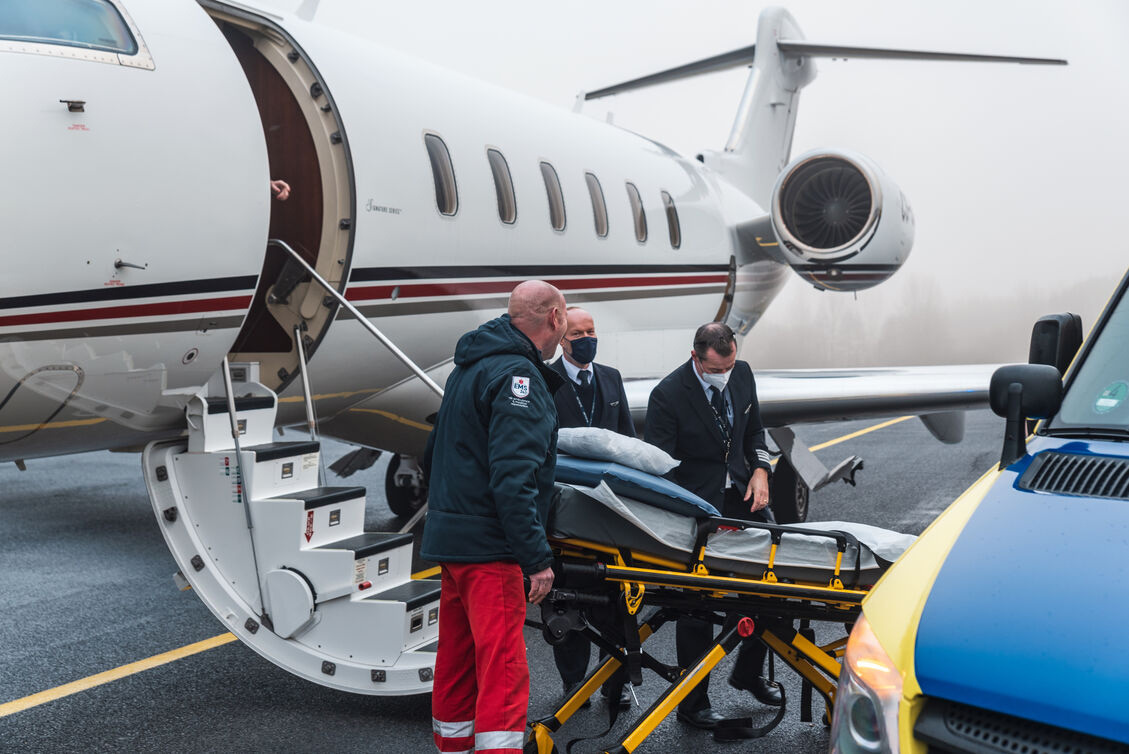
- Ambulance pickup with medical crew at the patient’s current location
- Full medical assessment prior to transport
- Coordination with the sending and receiving medical teams
- Ground ambulance transport to the departure airport
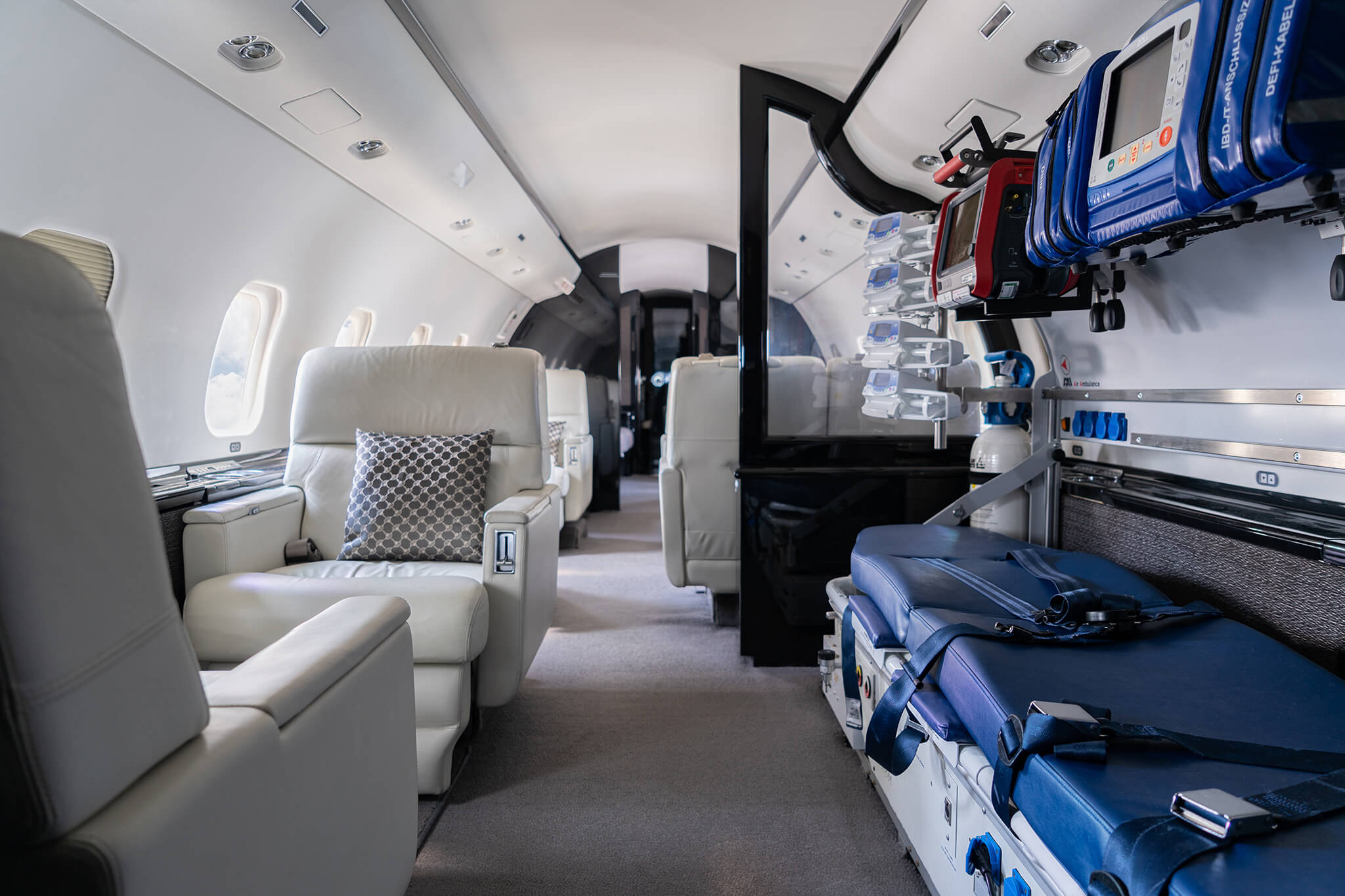
- Medical aircraft with ICU-level equipment
- Doctor, critical care nurse, or paramedic onboard depending on condition
- Continuous monitoring of vital signs during flight
- Medication management and oxygen availability
- Ground ambulance from arrival airport to final destination
- Direct handover to receiving medical staff
Nothing for the family to arrange

How the Patient Journey Is Coordinated
A fixed workflow ensures full control throughout the entire medical transfer.
The typical coordination flow
Medical intake
Review of the patient’s condition, stability, and care needs.
Flight and crew planning
Assign aircraft, medical staff, and equipment.
Hospital-to-hospital communication
Exchange medical reports, fit-to-fly statements, and handover details.
Ground transport arrangement
Ambulances scheduled at both departure and arrival airports.
Continuous care
Medical monitoring on ground and in flight.
Final handover
Transfer to the receiving facility with a medical report.
Why Full-Service Transport Matters
The highest safety margin is achieved when no part of the journey is left uncoordinated.
Key advantages of a bed-to-bed service
- No gaps in medical supervision
- Reduced risk during transfers between vehicles
- Faster and more predictable timelines
- Clear communication between all care providers
- Lower stress for family members
- Consistent medical oversight for critical or unstable patients
Global Reach and Aircraft Types
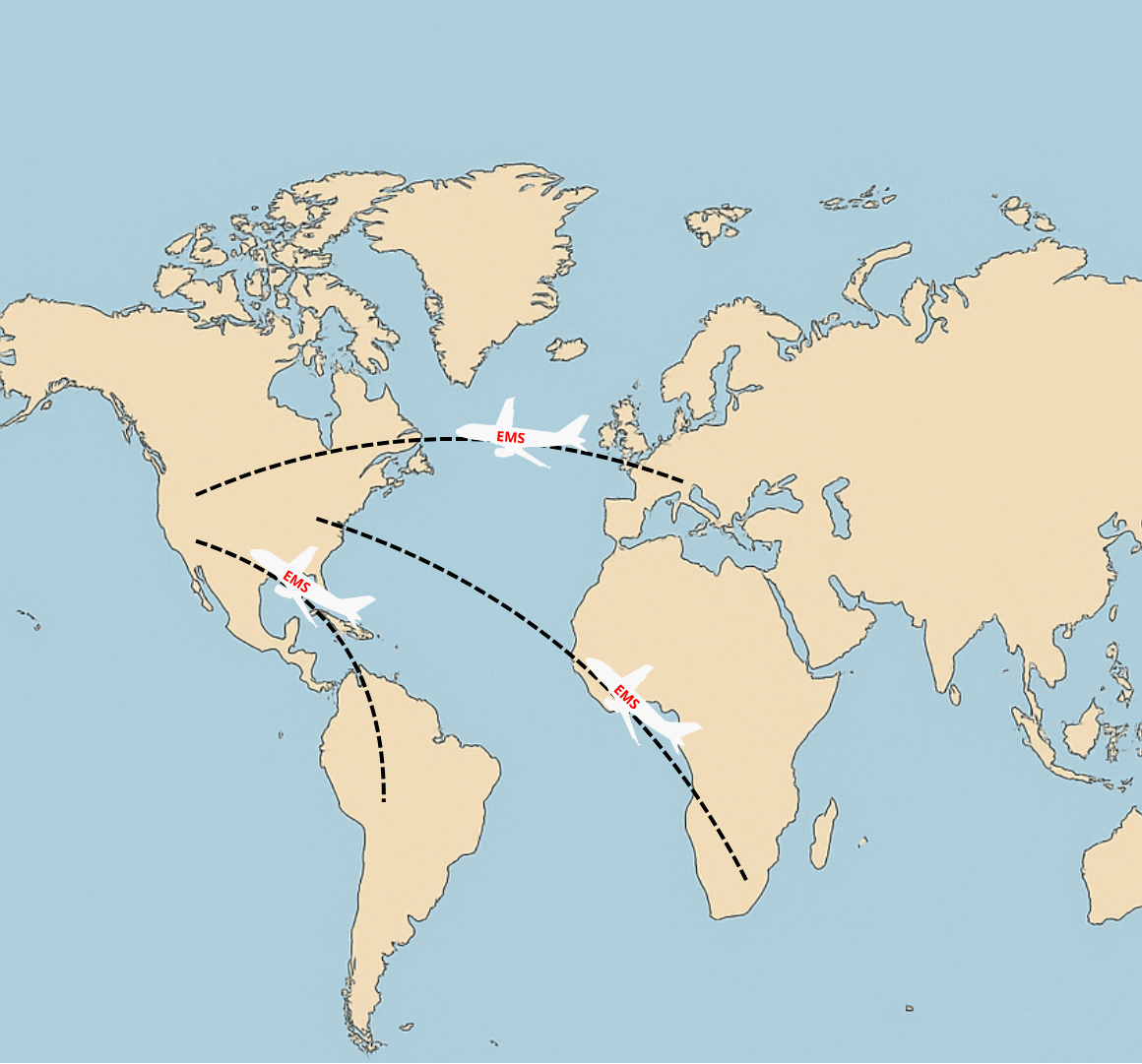
Air ambulance flights can be arranged worldwide with aircraft suitable for each distance and medical need.
Commonly used aircraft
- Learjet aircraft for short to medium distances
- Challenger 604 or 350 jets for longer flights
- Global Express or Global 7500 for intercontinental medical transfers
All aircraft are equipped with medical-grade equipment such as ventilators, monitoring systems, suction units, medication storage, and advanced oxygen supply. The medical team adapts the setup to the patient’s condition before departure.