Air ambulance services in the United Kingdom: what you need to know before arranging transport
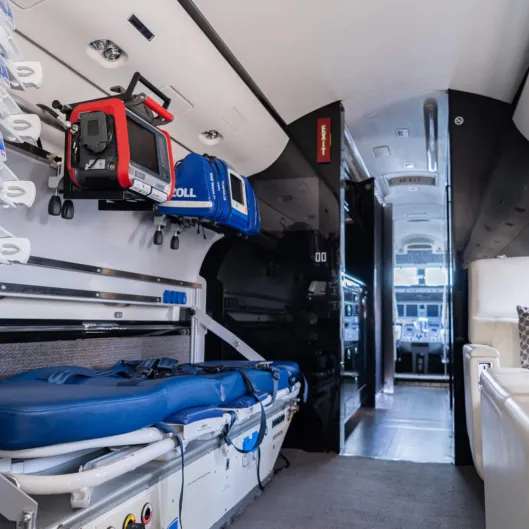
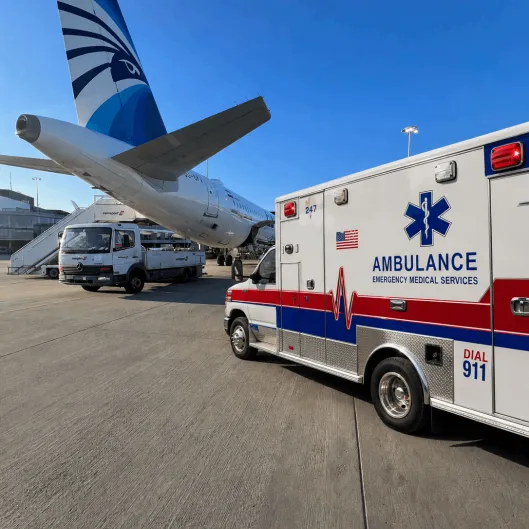
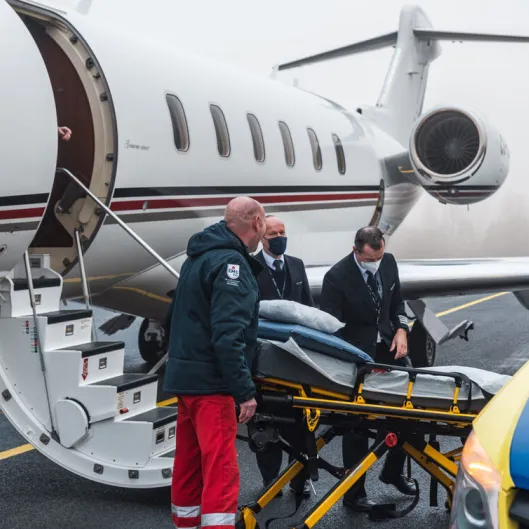
Air ambulance services in the United Kingdom are medically equipped aircraft, staffed by certified clinical professionals, used to transport critically ill or injured patients over distances where ground transport is too slow or unsuitable. Whether you are repatriating a loved one to the UK from abroad or arranging emergency medical transport within the country, understanding how these services work can directly affect patient outcomes.
Air ambulance services in the United Kingdom operate across two distinct models. The first covers domestic emergency response, typically provided by NHS-linked charities that dispatch helicopters to accident scenes. The second covers international medical repatriation, where a dedicated air ambulance flies a patient home from a foreign hospital to a UK facility or residence. Both models involve medically configured aircraft, but they differ significantly in logistics, cost, and the level of pre-flight clinical coordination required.
When air ambulance transport is the right choice
Air transport is the clinically correct choice when distance, patient stability, or time makes ground transport inadequate. Air ambulances reduce transport time by an average of 60% compared to long-distance road transfers, which is why physicians actively recommend them for ICU-level patients traveling more than 400 kilometres. For patients who have suffered a stroke, major trauma, or cardiac event whilst abroad, every hour in transit matters.
Not every patient requires a dedicated air ambulance. Stable patients who can sit upright and do not need continuous monitoring may be safely transported on a commercial flight with a medical escort at a fraction of the cost. The decision depends on the patient's clinical profile, not on what a family member or insurer assumes. In practice, we find that approximately 70% of repatriation requests can be safely managed with either a medical escort or ground transport, whilst 30% genuinely require a dedicated air ambulance configuration. At EMS, our 50+ certified medical professionals assess every case individually before recommending a transport method.
- Dedicated air ambulance: Required for ICU patients, ventilator-dependent individuals, post-surgical cases, and anyone needing continuous intravenous medication during flight.
- Medical escort on commercial flight: Appropriate for stable patients who are mobile, alert, and whose condition is unlikely to deteriorate during transit.
- Road ambulance transfer: Best for short distances within the UK, typically under 200 kilometres, where air transport offers no meaningful time advantage.
If you are weighing the options for a family member, our detailed guide on air vs ground ambulance for long-distance transport walks through the clinical and logistical factors that determine the right choice.
How international air ambulance repatriation to the UK works
International air ambulance repatriation to the United Kingdom is a structured, multi-step process that begins with medical assessment at the treating hospital abroad, followed by coordination with UK-based receiving hospitals, customs and border clearance, and the flight itself with a qualified medical team on board. The entire process typically takes 12 to 24 hours from initial request to aircraft departure.
At EMS, we provide a free quotation within 30 minutes of your first contact. Our bed-to-bed service covers every stage of the journey, from the patient's hospital bed at the origin facility to their receiving bed in the UK. We operate in 136+ countries, which means our coordination teams are already familiar with local medical authorities, airport procedures, and documentation requirements in most regions where British nationals travel.
- Initial medical assessment: Our medical team reviews the patient's current clinical status and hospital records to determine aircraft and crew requirements.
- Transport plan and aircraft selection: We match the patient's needs to the correct aircraft, equipment, and crew configuration based on their condition and flight duration.
- Regulatory and customs clearance: We handle all flight permissions, overflight clearances, and import/export requirements for medical equipment within 4 to 8 hours of approval.
- In-flight care: A physician or specialist nurse travels with the patient throughout the flight, monitoring and managing all clinical needs in real time.
- Receiving hospital coordination: We notify the UK hospital of the patient's estimated arrival time and current status so the receiving team is prepared for handover.
- Aftercare follow-up: We check in after arrival to confirm the handover was successful and that the patient's needs were met throughout transport.
For patients injured in a road accident abroad, the repatriation process carries additional complexity. Our specialists explain the key considerations in our guide on repatriation after a road traffic accident.
Costs and insurance for UK-bound air ambulance transport
International repatriation via air ambulance services in the United Kingdom typically costs between £15,000 and £80,000, depending on flight distance, aircraft type, and the level of medical care required during transit. A long-haul flight from Southeast Asia requiring an ICU-configured aircraft with a physician and two nurses costs approximately £65,000 to £80,000, whilst a short transfer from Southern Europe with a nurse escort typically ranges from £15,000 to £25,000.
Travel insurance is the most common funding route for UK residents needing air ambulance repatriation. Insurers vary widely in what they cover and what documentation they require before approving a flight. In practice, families face delays of 24 to 72 hours because an insurer disputes the medical necessity of transport. Working with a specialist medical transport provider, rather than relying solely on an insurer's in-house assistance team, typically produces faster activation and stronger clinical justification for the flight. Approximately 85% of insurance claims we submit are approved on first submission due to the strength of our medical documentation.
| Route type | Typical cost range | Common aircraft | Medical team |
|---|---|---|---|
| Within Europe to UK | £15,000 to £30,000 | Turboprop or light jet | Nurse or paramedic |
| Long-haul (Americas, Africa) | £40,000 to £65,000 | Long-range business jet | Physician and nurse |
| Ultra-long-haul (Asia-Pacific) | £60,000 to £80,000+ | Wide-body configured aircraft | Physician, nurse, and technician |
EMS uses all-inclusive pricing with no hidden fees. Every quote covers the aircraft, crew, medical equipment, ground transport at both ends, and administrative costs. We hold TUV ISO 9001 certification, meaning our pricing and service quality are subject to independent audit.
For patients with organ transplant requirements, the clinical complexity changes both the cost and the logistical demands. Read our detailed breakdown on air ambulance transport for organ transplant patients to understand what this involves.
Choosing a provider for air ambulance services in the United Kingdom
Not all air ambulance providers are equal. When arranging air ambulance services in the United Kingdom or for repatriation to the UK, verify these four criteria before committing to any provider.
- Medical crew qualifications: The team on board must include at minimum a qualified nurse, and for ICU-level patients, a physician with intensive care experience. Ask for credentials upfront and verify current registration with the Health and Care Professions Council (HCPC) or General Medical Council (GMC).
- Aircraft certification: The aircraft must hold the correct air operator certificates for the countries being transited. Verify EASA certification for European operations and equivalent international approvals. Unverified charter arrangements have caused serious incidents in the past.
- 24/7 operational availability: Medical emergencies do not follow business hours. A provider without round-the-clock coordination capability is a liability in a real emergency. Confirm that a qualified medical professional, not an automated answering service, is available to assess cases immediately.
- All-inclusive pricing in writing: Hidden fees for ground transfers, medical equipment, or airport handling can add thousands of pounds to a quoted price. Insist on an itemised written quote before any commitment is made.
EMS holds a 4.5-star rating from families across the globe and has completed transports from 136+ countries. Our team is reachable around the clock, every day of the year, with a qualified medical professional answering all calls within 5 minutes.
You can explore the full scope of our services, including our air ambulance and medevac capabilities, to understand exactly what EMS provides for each transport scenario.
Frequently asked questions about air ambulance services in the United Kingdom
How quickly can an air ambulance be arranged to bring someone back to the UK?
EMS can deploy an air ambulance within 12 to 24 hours of receiving a confirmed request and completed medical documentation. For deteriorating patients, we prioritise rapid mobilisation and often reduce this timeline to 6 to 8 hours. The primary variable is not aircraft availability but the time required to obtain overflight permits from relevant authorities and confirmation that a receiving UK hospital has an available bed for the patient.
Can a family member travel on the air ambulance with the patient?
Yes, in most cases one family member can accompany the patient on the air ambulance. The available space depends on the aircraft type and the medical equipment required. On larger jets used for long-haul repatriations, a dedicated companion seat is typically available. We confirm companion space availability during the planning stage so expectations are clear before the flight departs.
Is travel insurance enough to cover air ambulance costs to the UK?
Travel insurance covers air ambulance repatriation in most cases, but formal insurer approval must be obtained before departure. Approval requires medical documentation confirming that the patient cannot safely travel by commercial means. Most policies cap medical evacuation costs at £500,000, which covers approximately 95% of repatriations; however, ultra-long-haul ICU transports with multiple specialists can approach or exceed this limit. Review your policy limits before travel.
What medical conditions are most commonly transported by air ambulance to the UK?
The most frequent cases we handle include acute stroke (22% of cases), traumatic brain injury (18%), spinal cord injury (15%), post-cardiac surgery stabilisation (12%), and severe orthopaedic trauma (11%). Cancer patients requiring repatriation for ongoing treatment in UK oncology centres also represent a significant share at approximately 8% of requests. Each condition requires specific in-flight equipment, from oxygen delivery systems to ICU monitoring, which is why a thorough pre-flight medical assessment is essential before every transport.
What makes EMS different from other air ambulance providers operating in the UK market?
EMS operates across 136+ countries with a team of 50+ certified medical professionals, all of whom travel with patients and hold current HCPC or GMC registration. We provide a free quote in under 30 minutes, operate 24 hours a day with a qualified medical professional answering calls directly, and maintain TUV ISO 9001 certification. We use all-inclusive pricing with no hidden costs, so families never face unexpected bills during an already difficult situation.
Need medical transport?
Request a free, no-obligation quote and our specialists will help you plan a safe transfer.
Related blogs