Medical Repatriation from a Cruise Ship: A Complete Guide
How medical evacuation from a cruise ship works
When a passenger becomes seriously ill at sea, the cruise ship’s medical team and external emergency services decide on the safest evacuation method.
Cruise ships have onboard medical facilities, but some conditions require immediate transfer to a hospital on land. The captain, ship doctor, coast guard, and medical repatriation providers work together to determine the fastest and safest evacuation method.
Depending on the ship’s location, the patient may be brought to shore by helicopter, fast rescue vessel, or by diverting the ship to the nearest port.
Evacuation options from a cruise ship
- Helicopter rescue by coast guard
- Transfer via fast rescue boat
- Ship diversion to nearest port
- Port-based ambulance handover
Important
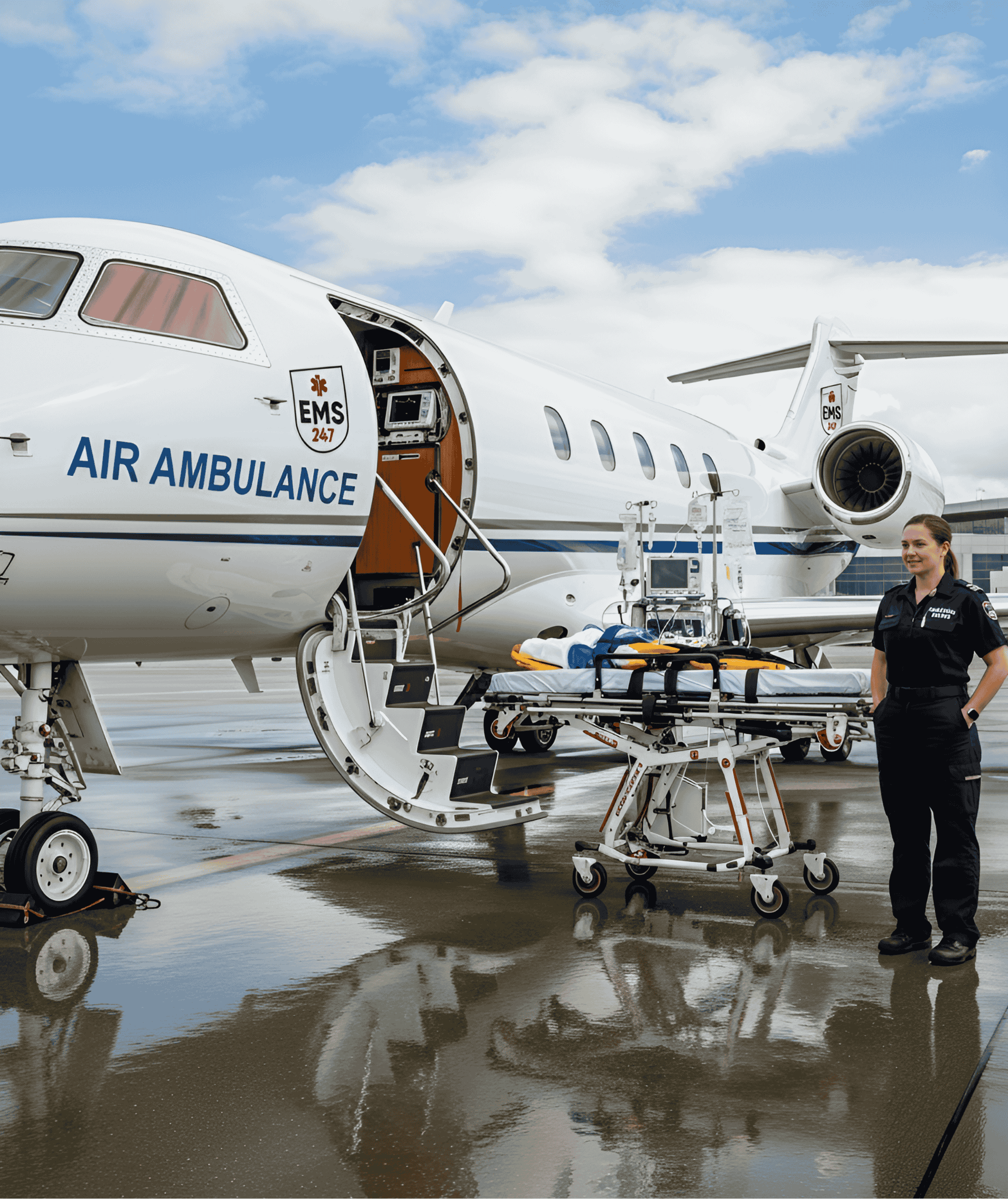
Transport options after evacuation
Once ashore, the appropriate transport depends on the patient’s stability, destination, and medical needs.
Air ambulance
- Fast international transport
- Advanced equipment
- Bed‑to‑bed service
- Higher cost
Medical escort on commercial flight
- More affordable
- Suitable for stable conditions
- Airline approval required
- Not for bedridden patients
Ground ambulance
- Direct and flexible
- Available in all ports
- Not suitable for long‑distance repatriation
Coordination with authorities and the cruise ship
Smooth repatriation requires precise coordination between multiple international parties.
How coordination typically works
Initial alert
Cruise doctor reports patient status and urgency.
Contact with coast guard
Assessment of nearest safe evacuation point.
Port authority coordination
Ambulance and customs prepared for arrival.
Transport planning
Air ambulance and ground logistics aligned.
Hospital handover
Patient transferred to the destination facility.
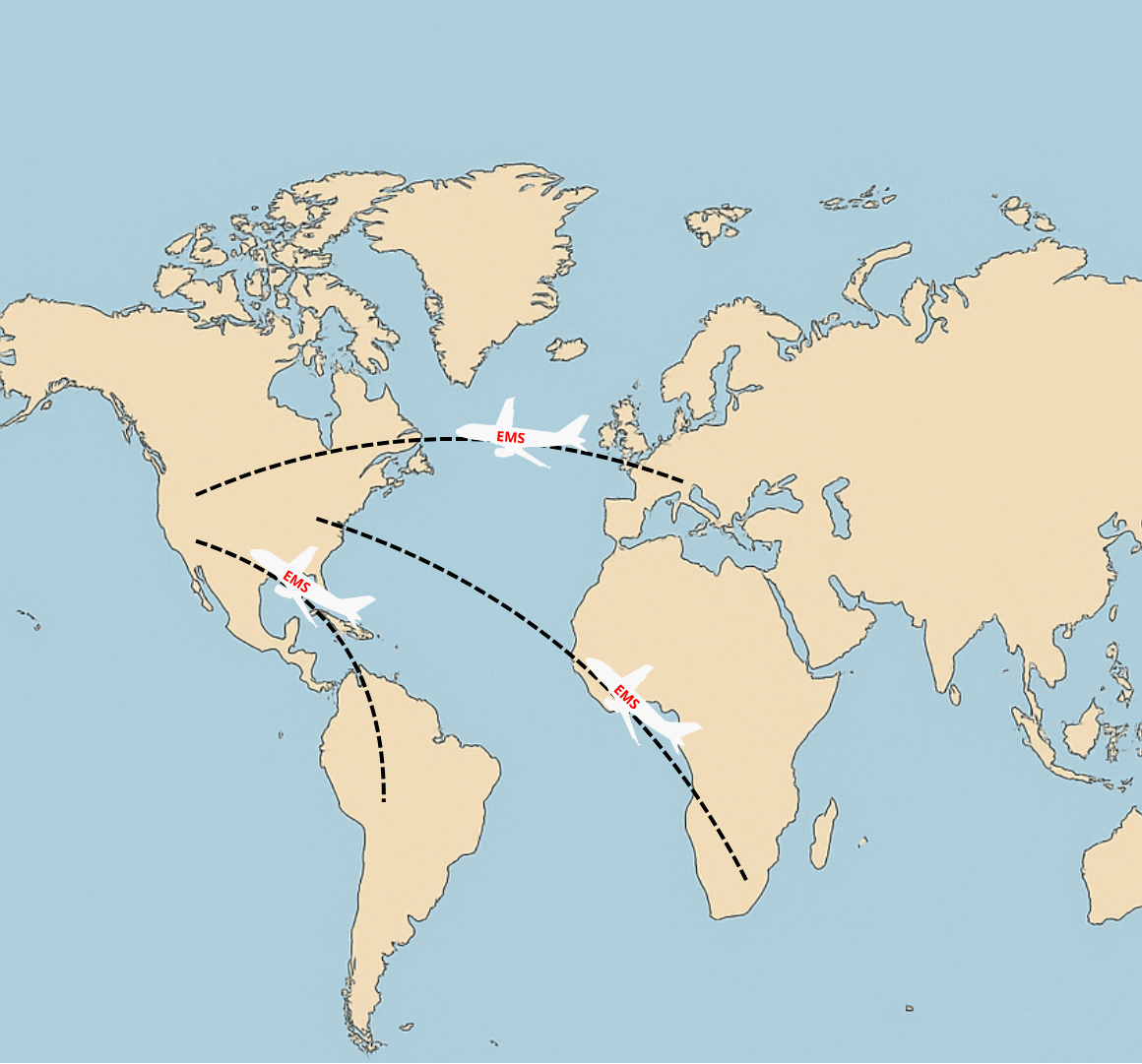
Costs and insurance
Medical repatriation from a cruise ship involves multiple steps, each contributing to the total cost.
Costs depend on evacuation method, distance to shore, medical team, air ambulance availability, and international aviation charges. Most travel insurance policies cover medically necessary repatriation, but luxury cruise policies may differ.
Main cost factors
- Coast guard helicopter or rescue vessel involvement
- Distance from the nearest port
- Required medical team and equipment
- Air ambulance flight and fuel charges
- Ground ambulance transfers
- Airport and administrative fees
Common medical emergencies at sea
Cruise ships often handle minor health issues, but some conditions require immediate evacuation.
Frequent medical situations on cruise ships
- Heart attacks and cardiac arrhythmias
- Stroke symptoms
- Severe infections or sepsis
- Trauma from falls or accidents
- Respiratory distress
- Dehydration or heat-related illness