Medical Repatriation vs Medical Evacuation: Clear Explanation and Practical Guidance
What medical evacuation means
Medical evacuation (medevac) is urgent medical transport from a dangerous or unsuitable location to the nearest medical facility.
Medical evacuation is used when a patient must be removed quickly from an area where safety or medical care cannot be guaranteed. This includes remote regions, conflict zones, natural disasters, offshore environments, or situations where stabilisation must occur during flight.
A medevac team is equipped for emergency care, rapid stabilisation, and fast transport to the nearest suitable hospital — not necessarily to the patient’s home country.
Typical reasons for medical evacuation
- Severe injury in a remote location
- Urgent need for emergency medical treatment
- Unsafe location due to conflict or disaster
- Immediate risk to life without rapid extraction
Important

What medical repatriation means
Medical repatriation brings a patient safely back to their home country for continued care or recovery.
Medical repatriation is usually planned, though sometimes urgent. It is arranged when a patient is stable enough for transport but cannot return home without medical assistance. The goal is continuity of care in the home healthcare system, closer to family, and often at lower cost than extended treatment abroad.
Repatriation can be carried out by air ambulance, medical escort on a commercial flight, or ground ambulance, depending on the medical condition.
Common reasons for medical repatriation
- Long-term treatment needed at home
- Patient stable but unable to travel independently
- Insurance requires treatment continuation in home country
- Better rehabilitation options available at home

Key differences between medical evacuation and medical repatriation
Although often confused, these services serve different purposes and are used in different situations.
Also important
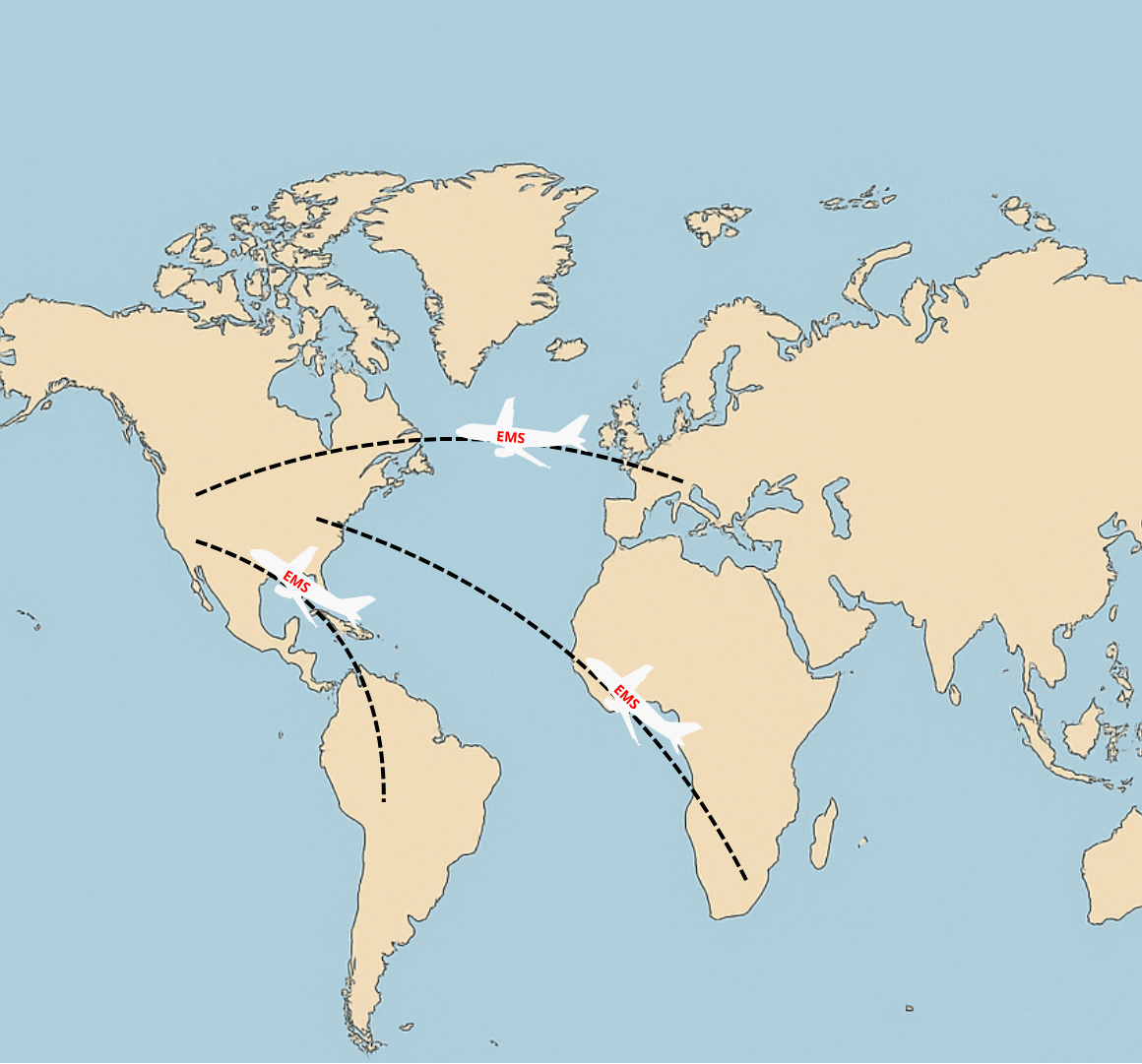
How each transport process works
Although both services involve medical transport, their processes differ significantly.
Typical process for medevac
Emergency call
A request for immediate extraction is made.
Rapid dispatch
Aircraft and medical crew are deployed as soon as possible.
On‑scene stabilisation
The patient receives critical care at the pickup site.
Emergency transport
Patient is taken to the nearest suitable hospital.
Typical process for medical repatriation
Intake and medical review
The repatriation team evaluates the case.
Transport decision
Air ambulance, medical escort, or ground ambulance is selected.
Planning and coordination
Flight, crew, equipment, paperwork, and hospital arrangements are prepared.
Transport
Medical monitoring and support during the journey.
Arrival and handover
Patient is delivered safely to the receiving medical team.

Costs and insurance
Costs vary significantly depending on transport type, distance, and medical condition.
Medevac costs are often higher due to the emergency nature and immediate deployment. Medical repatriation can be more affordable, especially when non‑emergency transport such as medical escort flights is possible.
Insurance coverage differs between policies. Travel insurers typically cover emergency evacuation, but repatriation coverage depends on policy terms and medical necessity.
Main factors that influence cost
- Distance and flight time
- Type of aircraft required
- Urgency (immediate vs planned)
- Medical crew and equipment
- Ground ambulance transfers
- Airline approval for escort flights
What you need to prepare
Accurate medical information helps teams choose the correct service and plan without delays.
Checklist
Medical summary
Recent reports, diagnosis, and stability assessment.
Medication list
Including allergies and dosage.
Passport and travel documents
Required for international repatriation.
Receiving hospital details
Needed for repatriation, not for medevac.
Insurance policy
To confirm coverage and authorisations.