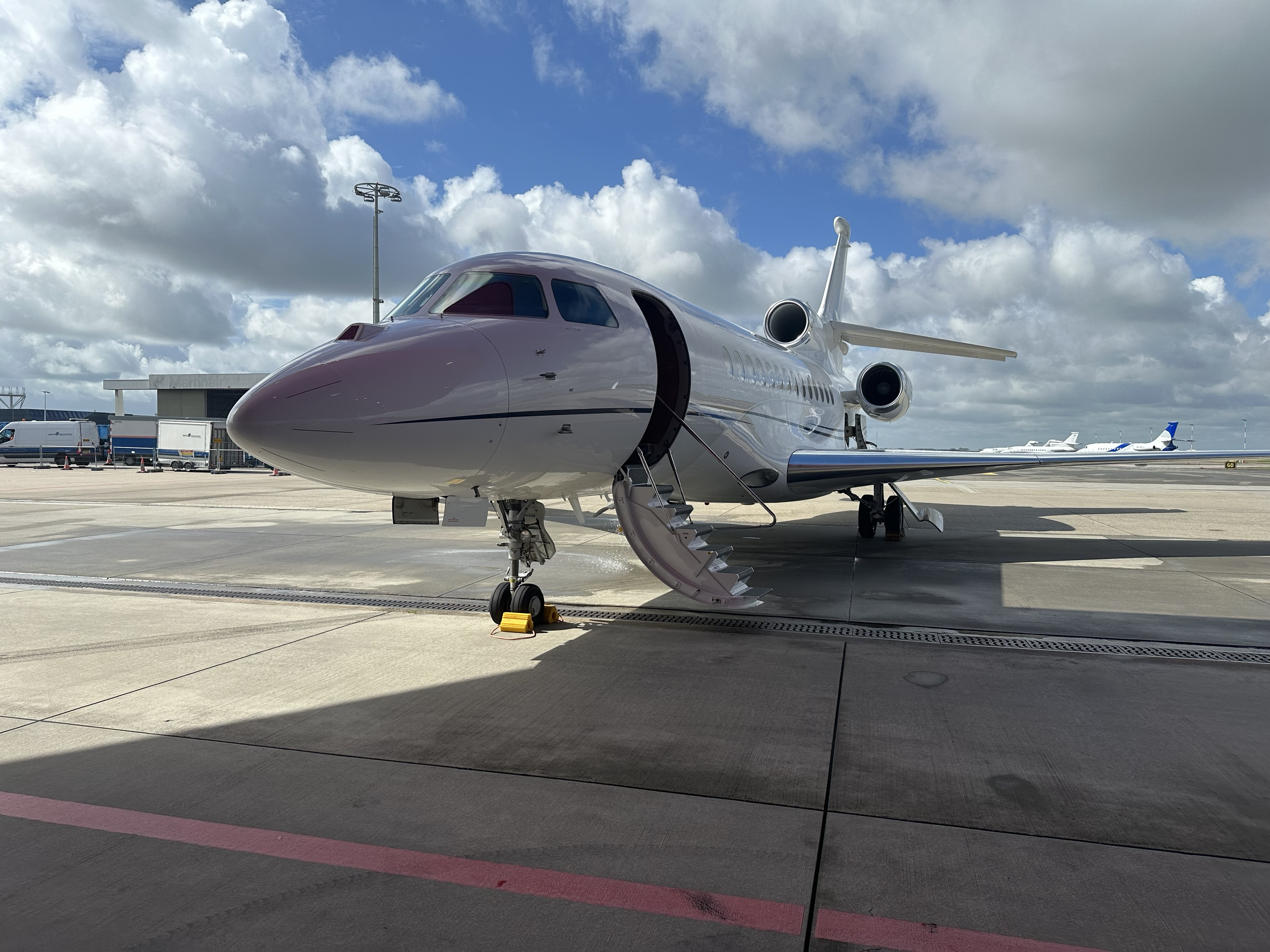
How far can an air ambulance fly without stopping?
What determines how far an air ambulance can fly
Several factors influence whether an air ambulance can fly a route non‑stop.
The flight range of an air ambulance is not defined by distance alone. Medical configuration, oxygen needs, and onboard equipment all affect fuel weight and the ability to fly non-stop. EMS Air Ambulance operates aircraft specifically selected for long-distance medical missions, including transatlantic and intercontinental routes.
Key factors that determine maximum flight range
- Aircraft fuel capacity and performance
- Patient stability and medical requirements
- Type and amount of medical equipment on board
- Oxygen consumption over time
- Weather, winds, and alternate airport requirements
- Number of crew and support personnel
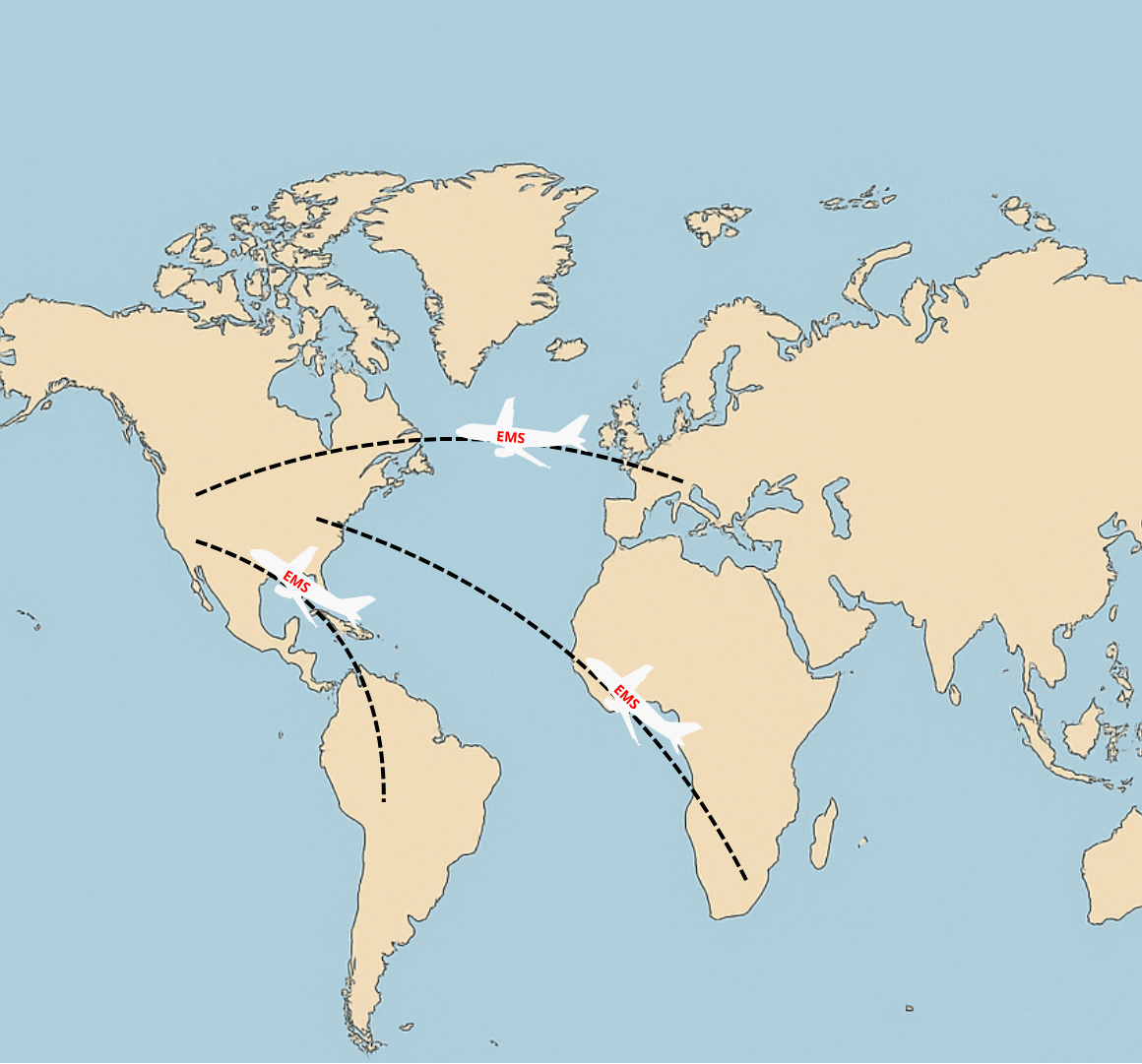
Typical flight ranges per air ambulance aircraft type
Different aircraft have different maximum ranges. Long-range jets allow intercontinental medical missions.
Approximate non-stop medical flight ranges
- Light jets (e.g., Learjet): 1,500–2,000 miles
- Mid-size jets (e.g., Challenger 350): 3,000–3,500 miles
- Long-range jets (e.g., Challenger 604 / Global 6000): 4,000–6,000+ miles
- Ultra-long-range jets (e.g., Global 7500): 7,000–7,700+ miles
For very long distances, EMS Air Ambulance typically uses long-range or ultra-long-range aircraft capable of flying between continents without stopping. When required for safety, planned fuel stops are added without interrupting medical care.
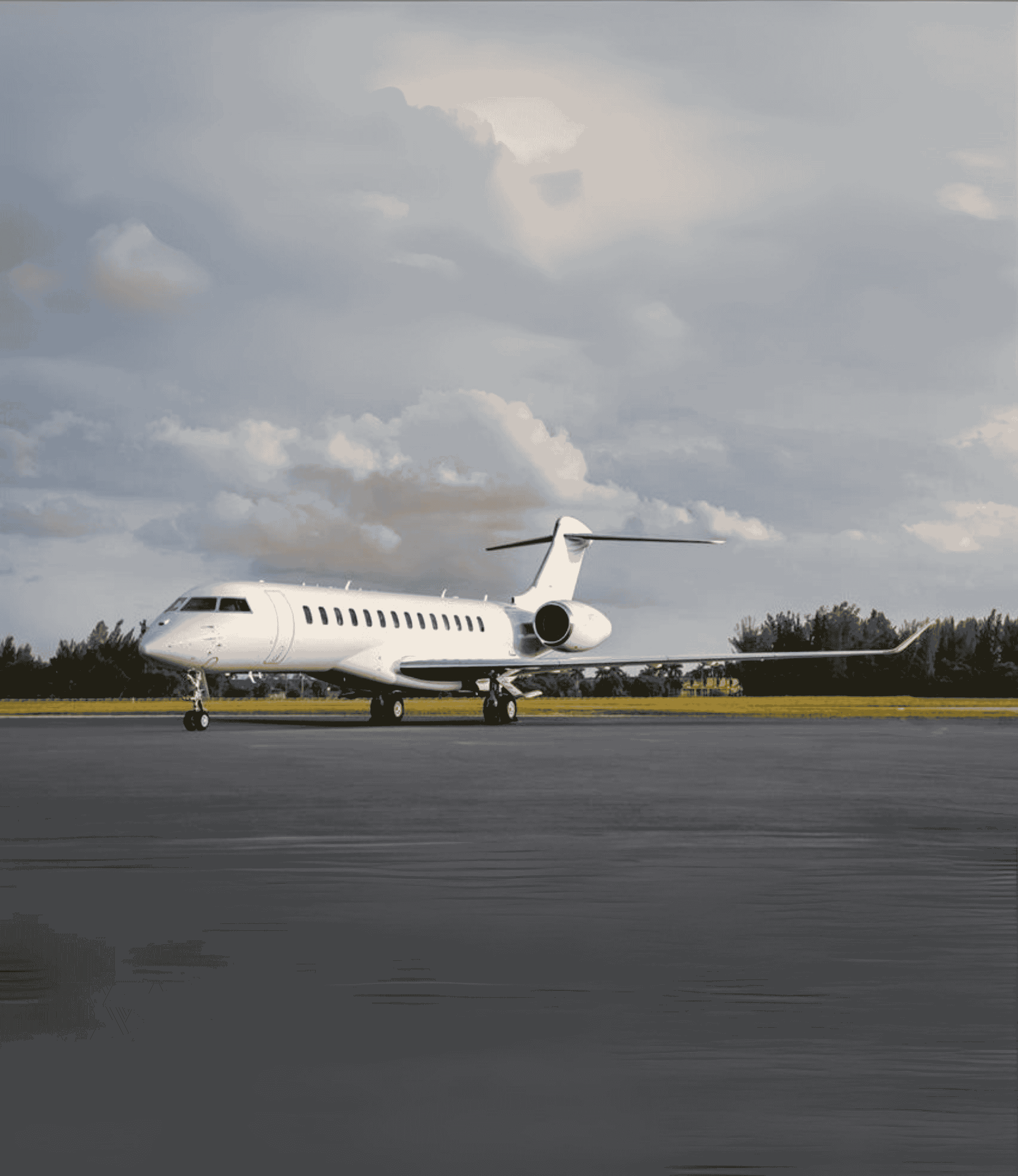
How EMS Air Ambulance plans long-distance medical flights
Every mission follows a structured process designed to maximise safety, efficiency, and medical continuity.
How long-distance flight planning works
Medical evaluation
Assess patient stability and oxygen needs.
Aircraft selection
Choose the safest aircraft for distance and medical load.
Route planning
Confirm weather, airspace, alternates, and fuel requirements.
Ground coordination
Arrange ambulances at departure and arrival airports.
Continuous care
Medical monitoring continues without interruption during flight and fuel stops.
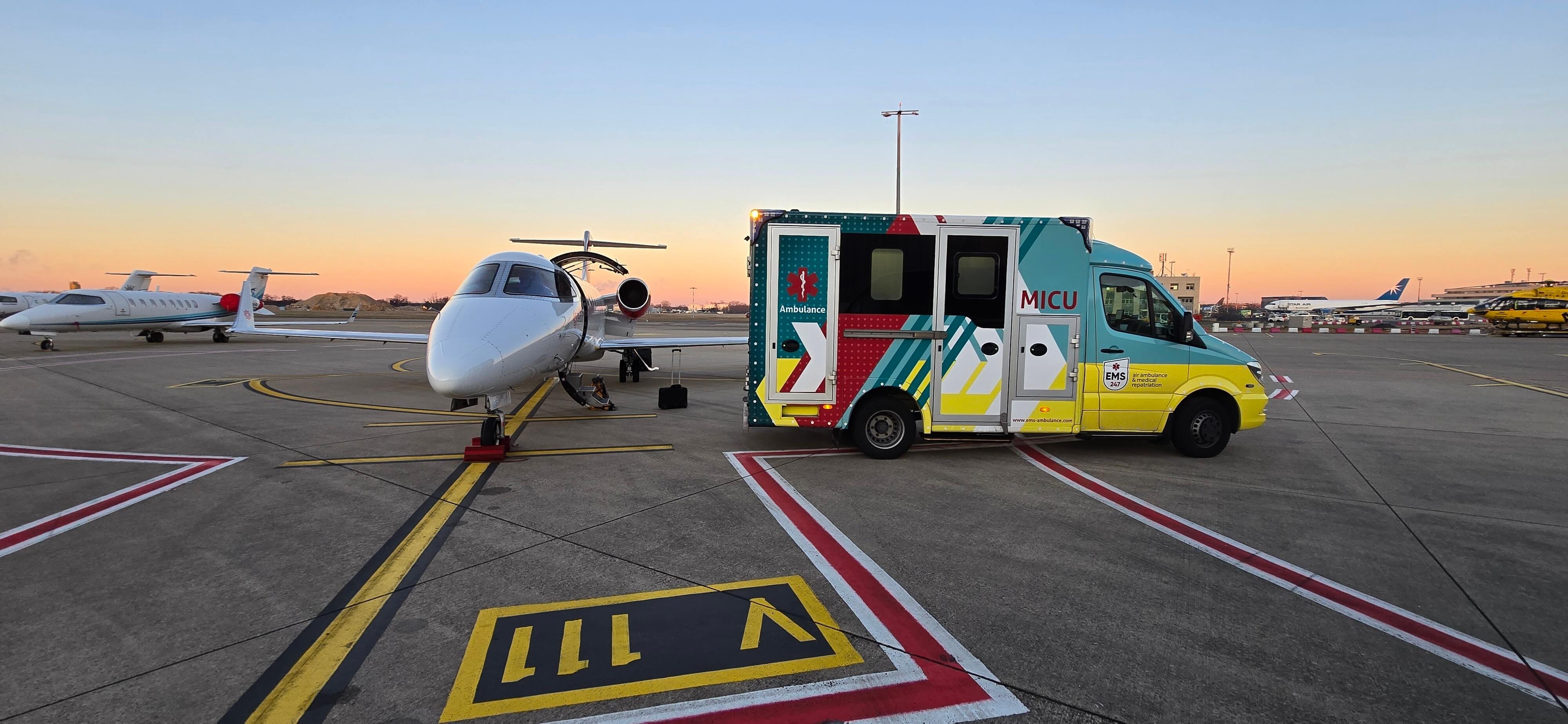
Aircraft used for long-range EMS missions
EMS Air Ambulance operates some of the most capable long-range medical aircraft worldwide.
Common long-range aircraft in the EMS fleet
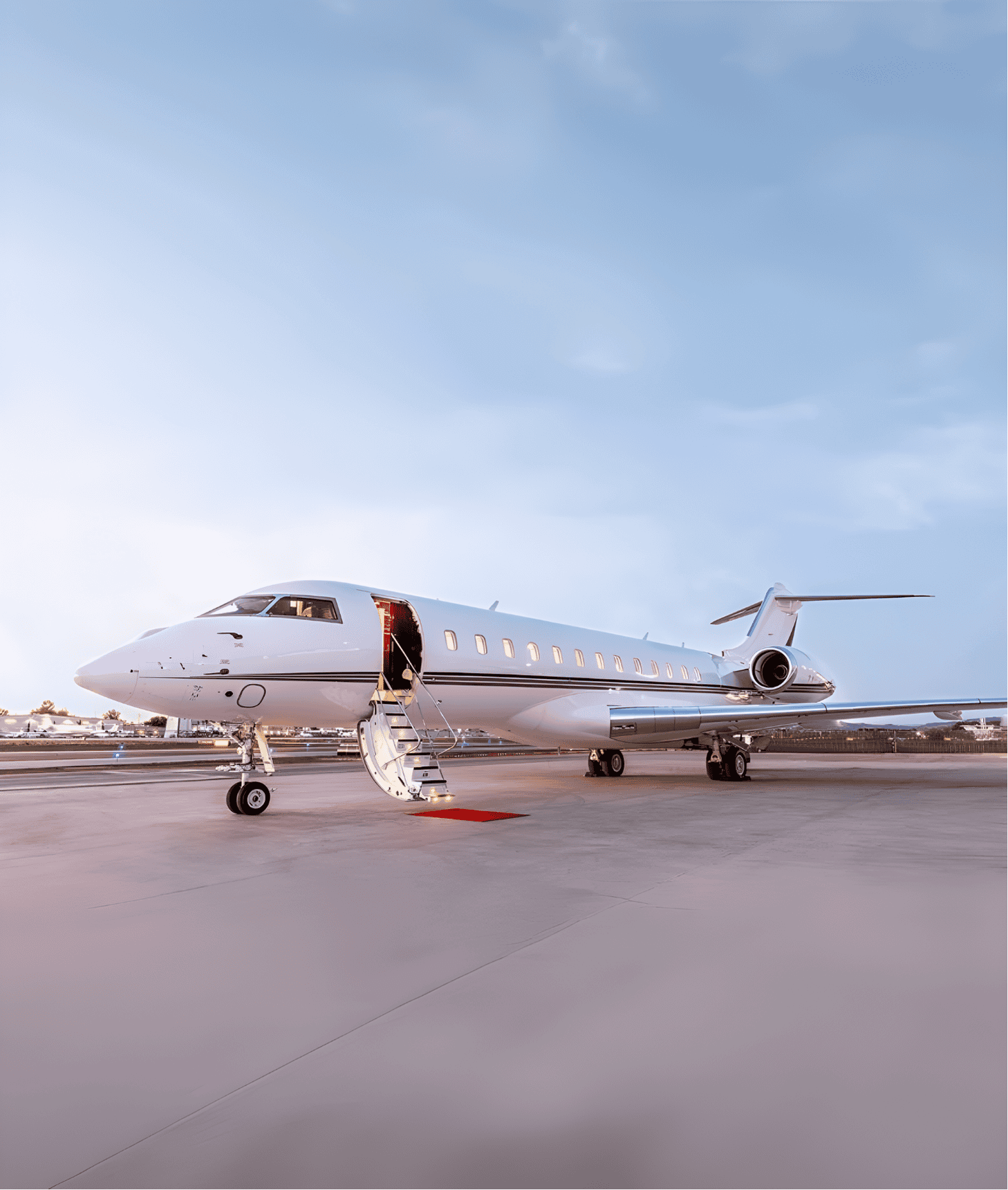
- Bombardier Global 6000
- Bombardier Global 7500
- Bombardier Challenger 604
- Gulfstream G650
These aircraft provide large medical cabins, advanced onboard equipment, long non-stop range, and the ability to handle intensive care patients on intercontinental flights.
When a fuel stop is necessary
Fuel stops are common on extremely long routes or when medical conditions require specific flight configurations.
Common reasons for scheduled fuel stops
- Ultra-long routes exceeding aircraft range
- Headwinds increasing fuel burn
- Heavy medical equipment increasing weight
- Increased crew or support personnel on board
- High oxygen usage affecting load configuration
Important to know