Can Cancer Patients Travel on an Air Ambulance?
Can cancer patients fly safely?
Many cancer patients can travel safely on an air ambulance when monitored by a dedicated medical team.
Cancer patients often face challenges such as fatigue, weakened immunity, oxygen needs and treatment side-effects. For these reasons, commercial flights may be unsafe or too physically demanding.
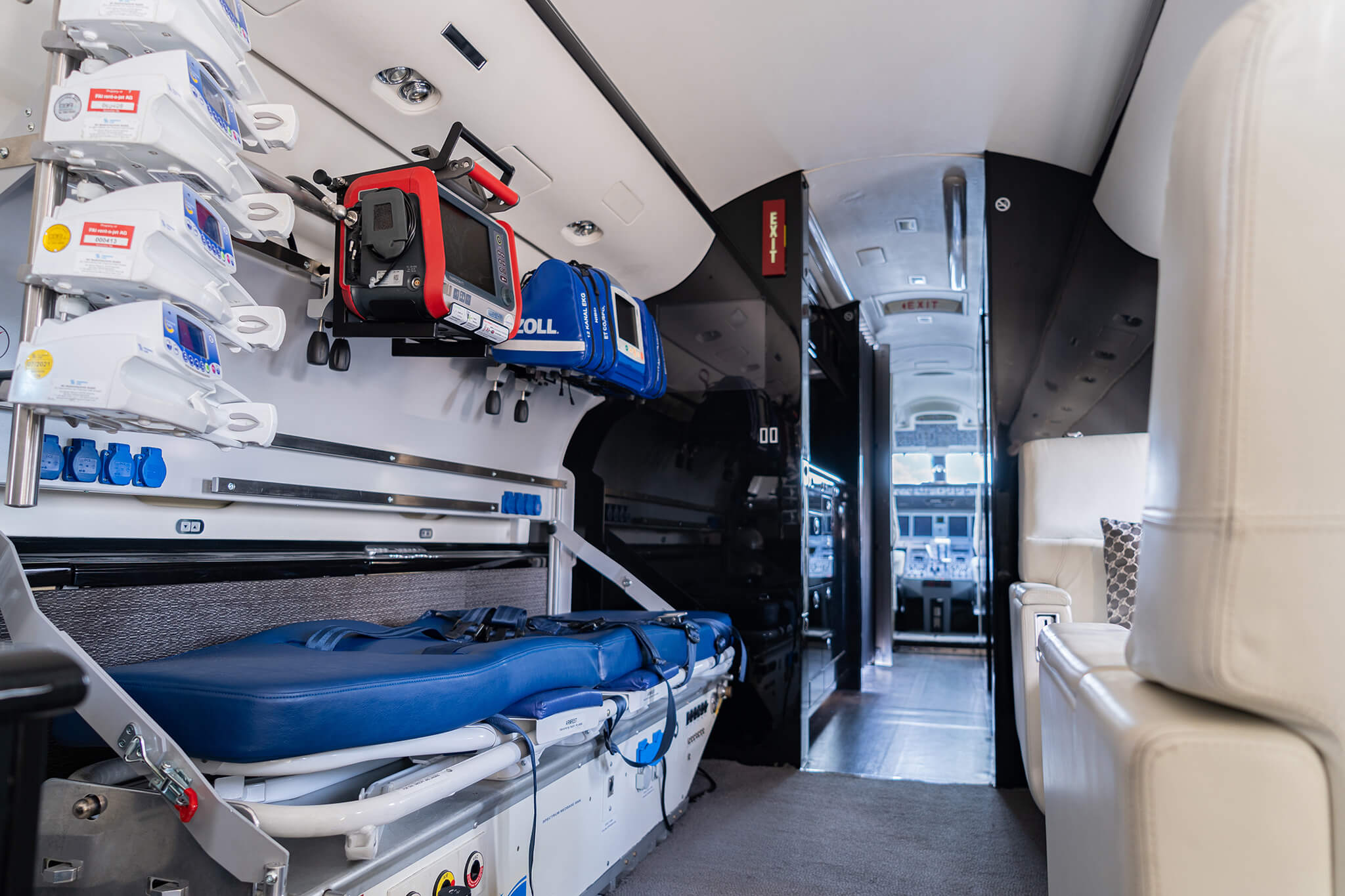
An air ambulance provides a fully equipped medical environment, allowing patients to remain lying down, receive oxygen therapy, and undergo continuous monitoring by specialised medical staff. This makes long‑distance travel or international medical repatriation much safer and more comfortable.
Common reasons cancer patients use air ambulances
- Chemotherapy side effects requiring monitoring
- Oxygen dependency or breathing difficulties
- Severe fatigue or inability to sit upright for hours
- Immunocompromised patients avoiding public exposure
- Need for fast evacuation to a specialised treatment centre
Good to know

Transport options for cancer patients
The safest option depends on the patient's condition, oxygen needs, fatigue level and immune status.
Air ambulance
- Ideal for chemotherapy patients
- Suitable for oxygen-dependent or unstable patients
- Private, fast and medically controlled
- Highest cost option
Medical escort on a commercial flight
- Lower cost compared to air ambulance
- Suitable for patients able to sit during take‑off and landing
- Not suitable for immunocompromised patients
- Limited oxygen and no stretcher option on most airlines
Ground ambulance
- Useful for connecting hospital-to-airport transfers
- Stable environment with continuous care
- Longer travel times for cross-border journeys
How air ambulance transport works
A structured medical process ensures cancer patients travel safely and comfortably.
How the process works
Intake
Patient details, diagnosis and travel goals are assessed.
Medical review
Doctors evaluate stability, oxygen needs and infection risks.
Flight planning
Aircraft, medical crew and ground transfers are arranged.
Transport
The patient receives continuous monitoring throughout the flight.
Arrival & handover
A full medical report is shared with the receiving hospital.

Costs and insurance coverage
Costs vary depending on distance, medical needs and aircraft type.
Air ambulance costs depend on several factors, including the flight distance, required medical equipment, crew composition and urgency. Oxygen therapy, isolation measures and advanced monitoring can influence the price.
Insurance may reimburse part or all of the transport if it is medically necessary and pre-authorised. Cancer patients receiving active treatment often qualify for coverage, depending on the policy and reason for travel.
Main cost factors
- Route and total flight distance
- Medical equipment (oxygen, infusion pumps, monitors)
- Level of medical staff required
- Urgency and availability
- Ground ambulance transfers
Preparation before flying
Having accurate medical information speeds up approval and ensures safe planning.
Checklist for cancer patients
Recent medical summary
Including diagnosis, treatment plan and last chemotherapy date.
Medication list
With dosages, allergies and special requirements.
Doctor contact details
Coordination between sending and receiving hospitals.
Travel documents
Passport, insurance policy and any required authorisations.