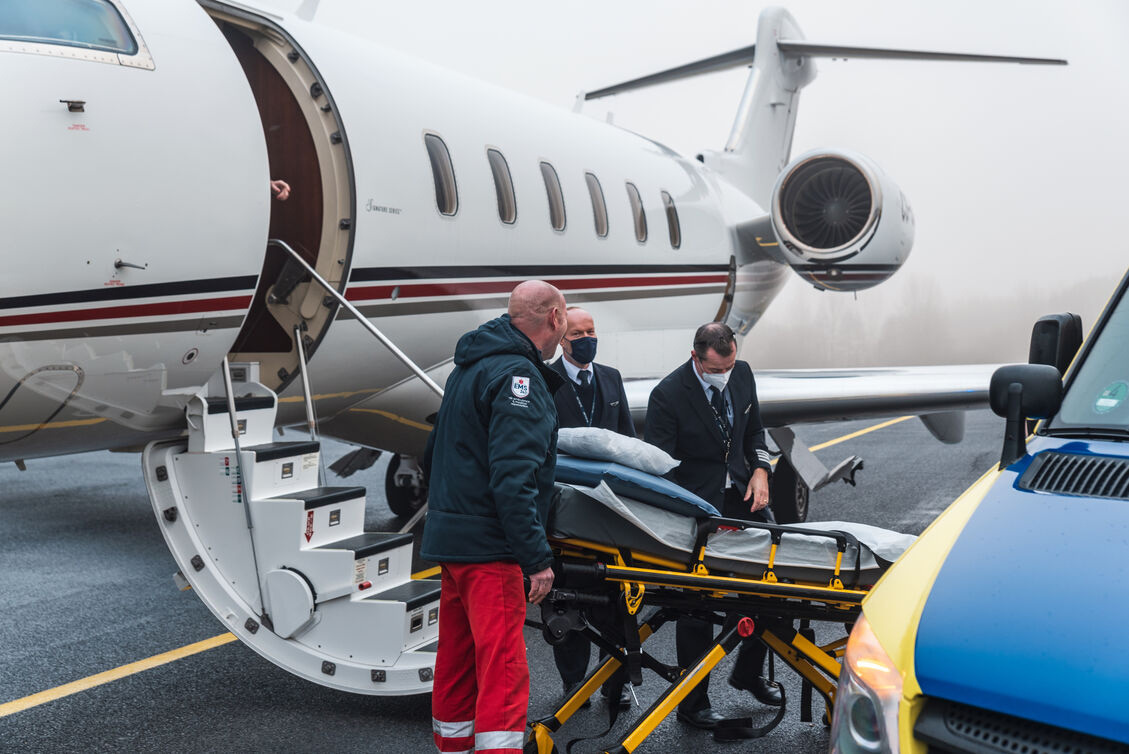
Can Air Ambulances Transport Patients with Infectious Diseases?
Safe infectious disease transport
Air ambulances can transport patients with infectious diseases, provided strict medical and operational protocols are followed.
Transporting a patient with an infectious disease requires more than standard in-flight medical care. Air ambulances follow strict guidelines to ensure safety for the patient, crew, and destination facilities. This includes risk assessment, containment strategies, and coordination with airport and health authorities.
Diseases ranging from multidrug-resistant infections to airborne viruses may require isolation units and specially trained medical staff. Each case is evaluated individually to determine the safest method of transport.
Conditions where specialist infectious transport is needed
- Airborne infectious diseases (e.g. tuberculosis)
- Highly contagious viral infections
- Patients requiring full isolation
- Cases with elevated transmission risk
- International transfers requiring medical containment
Good to know

Isolation and protection measures
Containment systems and protective equipment are crucial during infectious disease flights.
Core infection control procedures
Use of transport isolation units
Portable isolation chambers prevent airborne and contact transmission.
Full PPE for crew
Medical staff use certified masks, gowns, gloves, and eye protection.
Decontamination of aircraft
Certified disinfectants are used after each mission.
Patient stabilization
Reducing contamination risk before boarding.
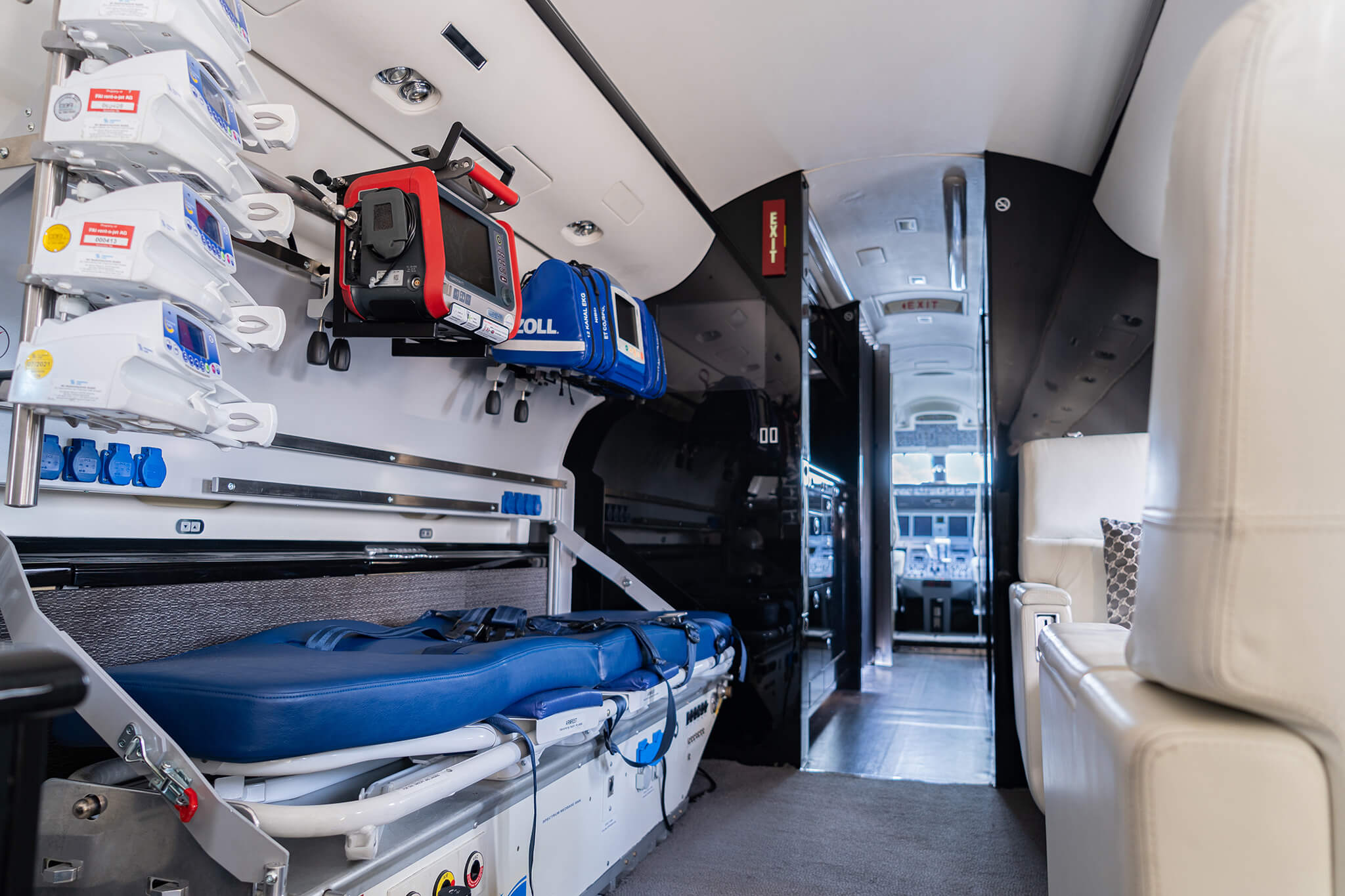
Specialized aircraft and equipment
Dedicated medical jets are equipped to safely handle infectious disease transfers.
Key aircraft features
- Negative pressure isolation units
- Filtered ventilation systems
- Dedicated infectious disease medical kits
- On-board laboratory diagnostics
- Advanced life-support monitoring
The combination of advanced isolation systems and medical-grade environmental controls ensures that infectious disease transport is safe. Crews are trained specifically for biohazard management and inflight infection control.

International rules and approvals
Global infectious disease transport requires coordination with aviation, border control, and public health authorities.
Cross-border transport of infectious patients is subject to strict regulations defined by WHO, ICAO, IATA, and national health authorities. Operators must secure overflight permissions, landing clearances, and medical transport approvals. Clear communication with destination hospitals ensures safe handover upon arrival.
Key regulatory considerations
- National infectious disease control laws
- WHO guidelines for medical evacuation
- Aviation authority compliance
- Airport quarantine procedures
- International health documentation requirements
Preparation and documentation
Proper documentation prevents delays in the approval process.
Checklist
Medical summary
Diagnosis, infectious risk, and recent clinical updates.
Laboratory results
Including tests confirming infection type and status.
Isolation requirements
Details needed for aircraft preparation.
Travel documents
Passports, visas, and health declarations.
Receiving hospital confirmation
Required before international transport.