How far can an air ambulance fly without stopping?
What determines how far an air ambulance can fly
Flight range depends on both technical and medical factors.
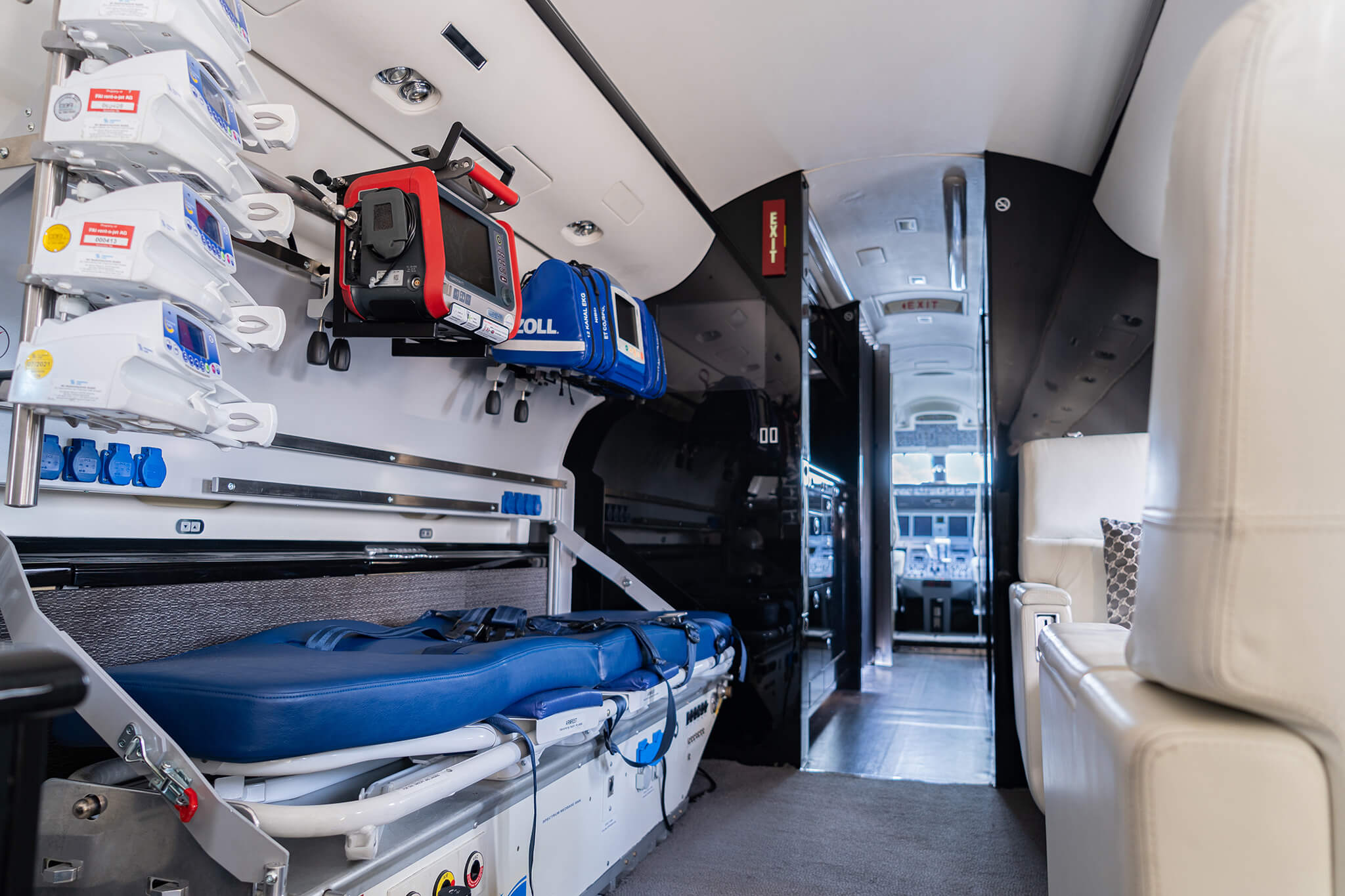
The maximum nonstop distance of an air ambulance depends on more than just fuel capacity. EMS Air Ambulance operates short-, mid-, and long‑range medical jets, each suited for different mission profiles. Patient condition is equally important: some medical transports require one or more scheduled fuel or crew stops for safety reasons.
For many intercontinental missions, EMS Air Ambulance performs long legs nonstop, while others are completed with efficient, planned refueling stops.
Key factors that influence flight range
- Aircraft model and fuel capacity
- Required medical equipment and onboard power consumption
- Patient stability, oxygen needs, and cabin pressure requirements
- Weather conditions and available routes
- Crew duty limitations on ultra-long flights
Important to know
Aircraft types and typical nonstop distances
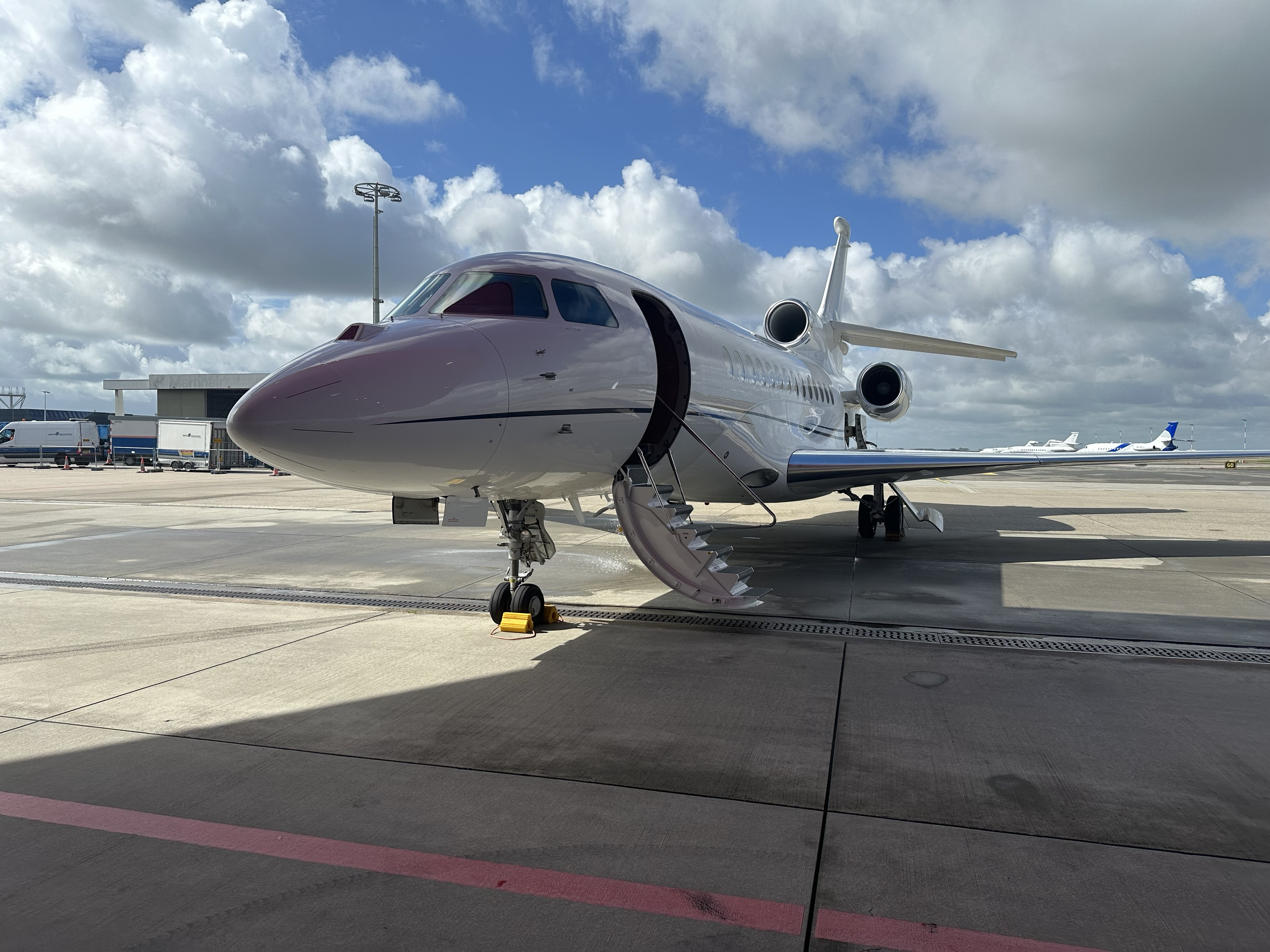
EMS Air Ambulance uses a fleet capable of short-haul, long-haul, and ultra‑long‑haul medical flights worldwide.
Learjet 45 / 60
- Fast dispatch times
- Ideal for Europe, Middle East, and North Africa
- Not suitable for long ocean crossings
Challenger 604 / 605
- Large cabin for intensive care setups
- Ideal for intercontinental transfers
- May require 1 refueling stop on very long routes
Global Express / Global 6000 / 7500
- World-leading range
- Fully equipped ICU capability
- Excellent cabin comfort for patients and family
- Higher operational cost
How long-distance medical flights are planned
Every mission is customized to ensure patient safety and minimize transfer time.
How long-distance planning works
Situation intake
Collect medical information, departure location, and urgency.
Medical review
Determine required aircraft type and nonstop feasibility.
Route planning
Choose optimal legs, fuel stops if required, and global clearances.
Transport execution
Provide continuous medical care throughout the flight.
Arrival coordination
Safe handover to the receiving hospital or care team.
Costs and insurance
Pricing and coverage for long-distance medical flights vary per situation.
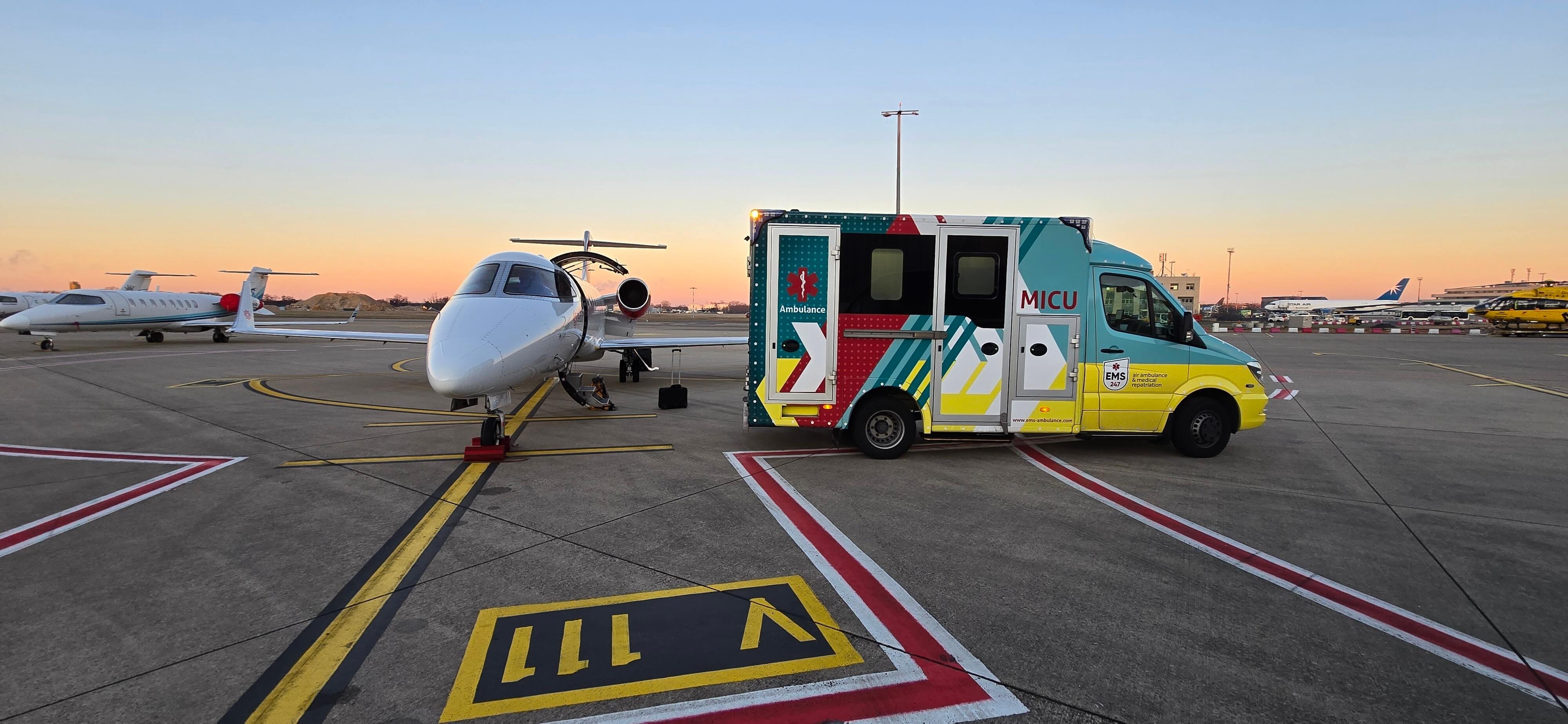
The cost of an air ambulance mission depends on distance, aircraft type, crew requirements, medical equipment, and ground logistics. Long-haul and intercontinental flights generally require larger aircraft with extended range.
EMS Air Ambulance does not work directly with insurance companies. However, in some cases, patients may be able to request reimbursement afterward depending on their policy and documentation.
Main factors influencing cost
- Flight distance and number of legs
- Type of aircraft required
- Medical condition and equipment
- Ground handling, coordination, and international permits
What you need to prepare
Accurate medical and travel information ensures a safe and fast assessment.
Checklist
Medical summary
Diagnosis, condition, and discharge or transfer notes.
Medication list
Including dosages, allergies, and recent changes.
Doctor contact details
For coordination between medical teams.
Travel documents
Passport and any relevant medical authorizations.