How Air Ambulances Cross International Borders: A Complete Guide
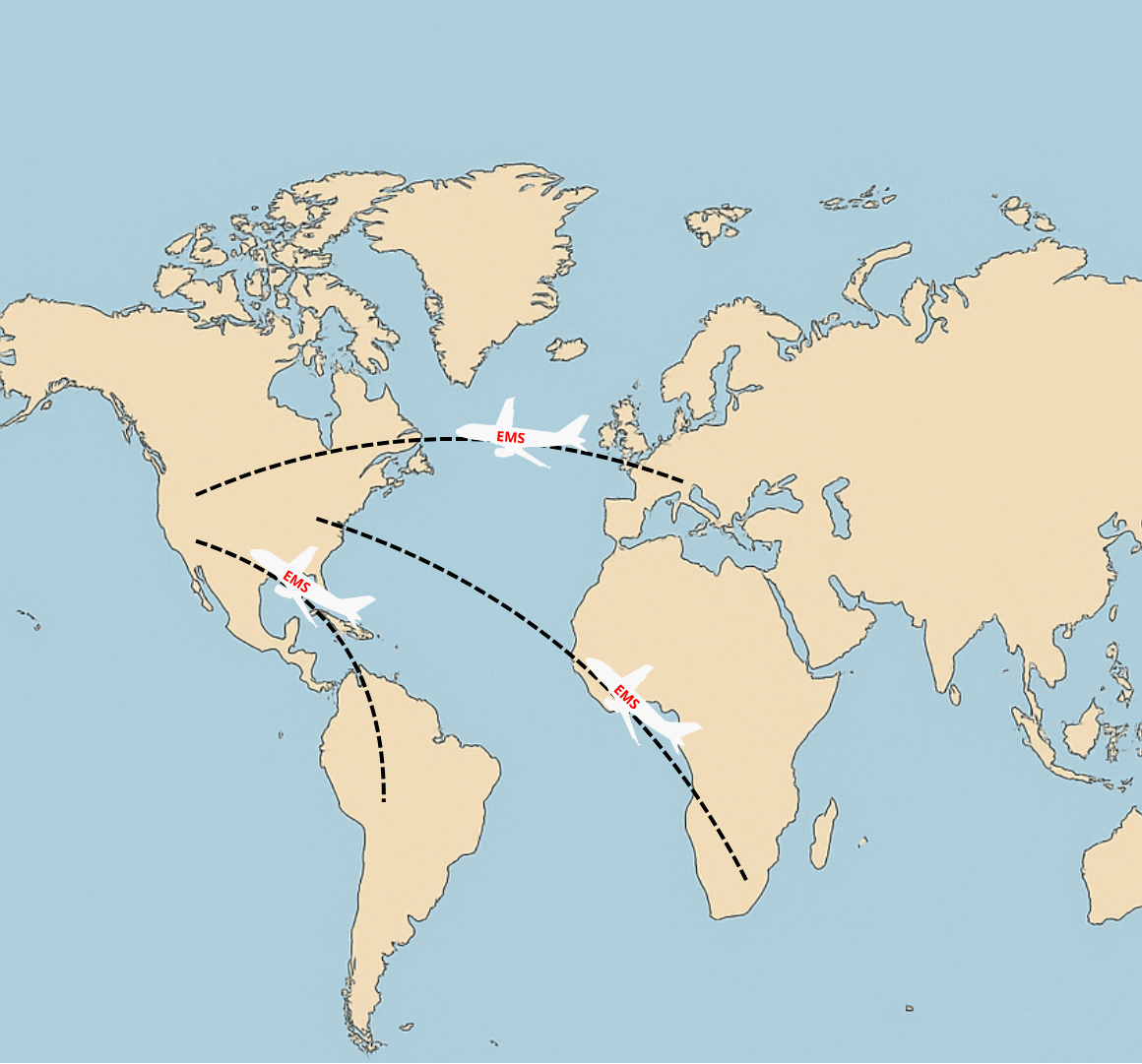
How air ambulances cross borders
Cross-border medical flights follow strict aviation, medical, and immigration procedures.
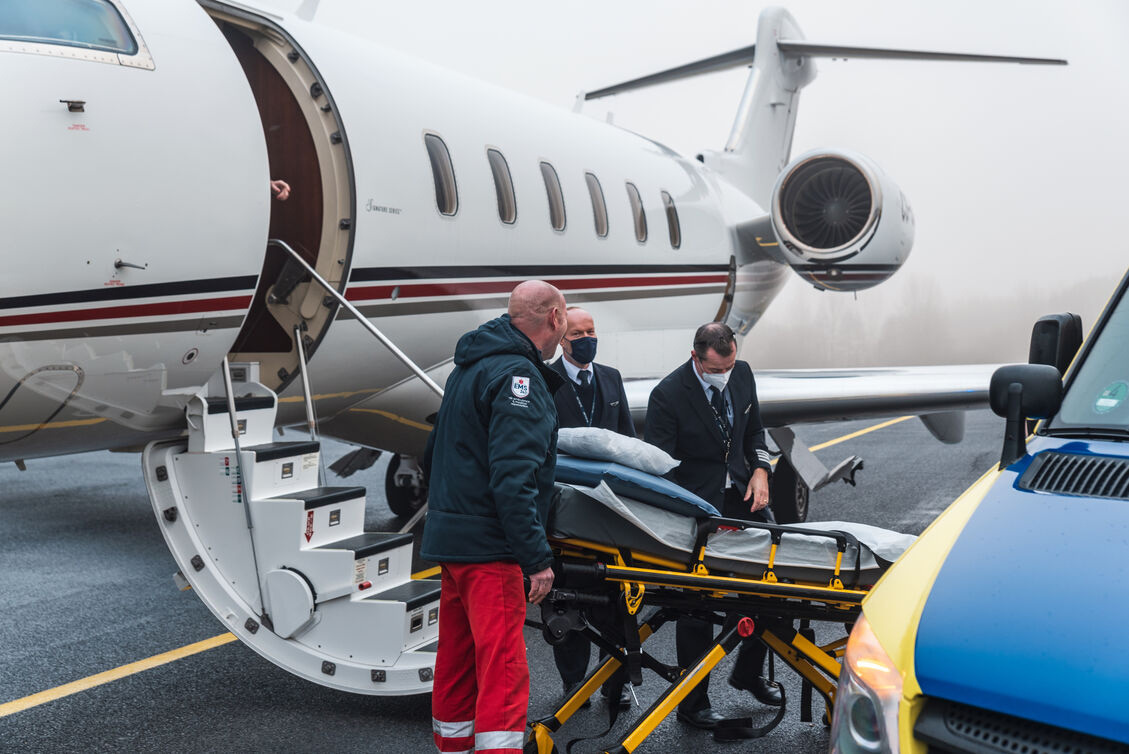
An air ambulance can cross international borders because it operates under official aviation regulations and is backed by medical documentation. Authorities are informed in advance, and each country grants explicit permission for the aircraft, crew, and patient to enter its airspace and territory.
Even in emergencies, these steps cannot be skipped. However, many countries offer accelerated or priority clearance for medical evacuation and repatriation flights.
Key reasons why special clearance is needed
- The flight carries medical equipment and controlled substances
- Patient identity and visa status must be verified
- The medical team requires legal entry permission
- A government-issued flight permit is required to enter airspace
- Customs and immigration must approve the emergency operation
Important
What clearances are required
Several official permits ensure a medical aircraft can legally and safely cross borders.
Essential international clearances
Flight permits
Overflight and landing permits are required from each country whose airspace the aircraft crosses.
Customs approval
Cargo and medical equipment must be declared in line with customs regulations.
Immigration clearance
The patient, medical crew, and accompanying family require immigration pre-approval.
Medical visa or documentation
Some countries require a medical visa or emergency medical exemption.
Airport operational clearance
Handling agents coordinate ground ambulance access, medical staff entry, and secure zones.

How international coordination works
Global patient transfers rely on precise communication between hospitals, aviation authorities, and medical teams.
How international transfers are coordinated
Contact with sending hospital
Medical reports determine patient stability and equipment needs.
Route and permit planning
Flight planners request permits and check restrictions in each country.
Ambulance-to-air transfer
Local ambulances bring the patient to the aircraft with priority clearance.
In-flight medical care
A doctor and nurse provide continuous monitoring throughout the journey.
Arrival and customs processing
Authorities clear the team and patient before ground transport continues.
Handover to receiving hospital
Full medical briefing and transfer of care upon arrival.
Costs and regulations
International air ambulance pricing reflects distance, permits, crew requirements, and airport fees.
International flights are more expensive than domestic missions due to additional fuel, crew hours, diplomatic permits, customs handling, and coordination. Insurance may reimburse costs if the transfer is medically necessary and pre-authorised.
Main factors influencing cost
- Flight distance and number of border crossings
- Permit fees for overflight and landing
- Airport handling and customs services
- Medical equipment and staff requirements
- Ambulance transport at both ends
Preparation checklist
Proper documentation speeds up border clearances.
Checklist for international medical flights
Medical report
Recent documentation from the treating doctor.
Passport and ID
For patient, medical crew, and accompanying relatives.
Medication overview
Including dosages and required supplies during flight.
Insurance confirmation
If applicable, proof of coverage for international transfer.
Receiving hospital acceptance
Written confirmation that the patient will be admitted.